
As tensions continue to rise in the Taiwan Strait, recent developments have captured international attention: China has deployed autonomous drone swarms near the Kinmen Islands. This move has raised significant concerns regarding regional stability and military strategies, prompting a swift response from the United States.
China’s Deployment of Autonomous Drones
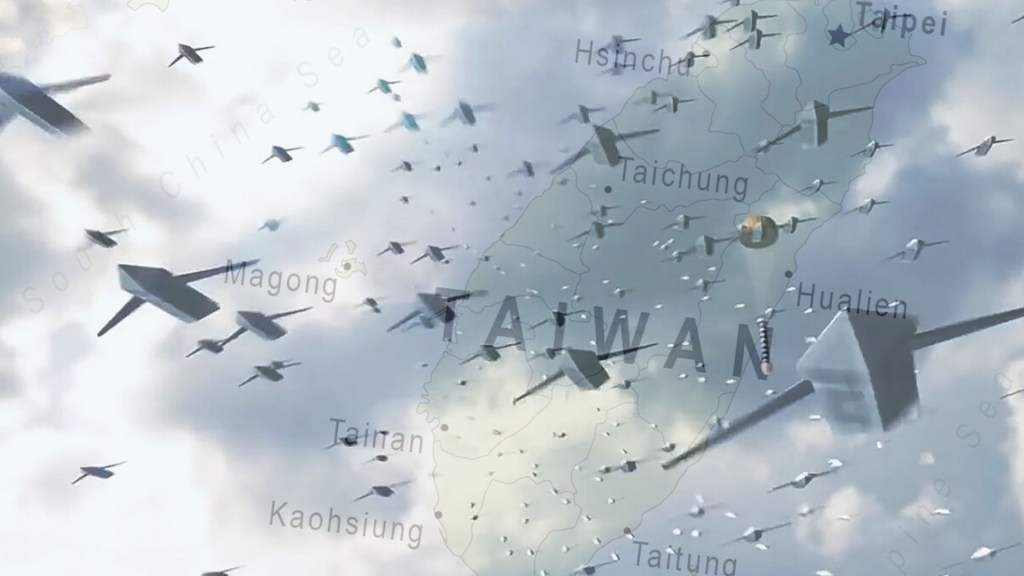
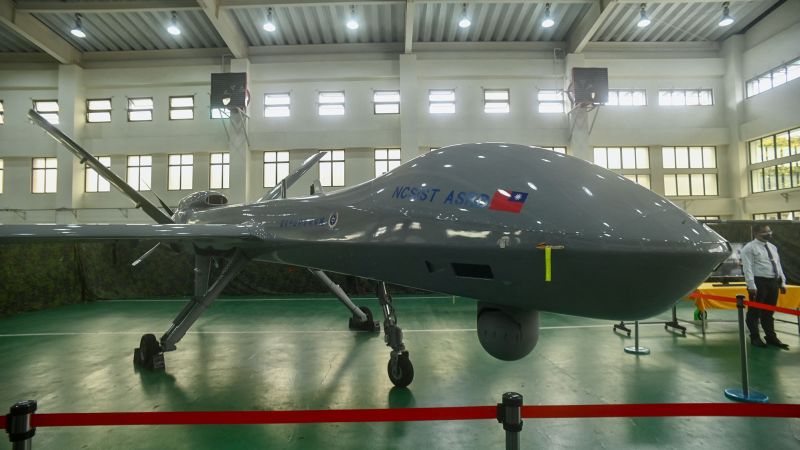
In a strategic display of technological advancement, China has unveiled autonomous swarms of drones designed for both surveillance and combat capabilities. These drones, equipped with artificial intelligence, can operate in coordinated formations, significantly enhancing their effectiveness in various military operations. Situated near the Kinmen Islands, which are located just off the coast of mainland China, this deployment serves as a direct challenge to Taiwan’s defenses and signals China’s intentions in the region.
The autonomous drones are designed to gather intelligence, conduct reconnaissance missions, and potentially engage in combat. Their ability to operate without direct human control allows for rapid responses to perceived threats, creating a new paradigm in modern warfare. This unprecedented use of AI in military operations underscores the evolving nature of conflict in the 21st century.
U.S. Response with EMP Countermeasures
In response to China’s provocative actions, the United States has begun implementing electromagnetic pulse (EMP) countermeasures. EMP technology has the capacity to disable electronic devices and systems, rendering drones and other military technologies inoperable. The U.S. aims to neutralize the threat posed by China’s drone swarms, thereby reinforcing its commitment to regional security and support for its allies.
U.S. military officials have emphasized the importance of countering such technological advancements by adversaries. The deployment of EMP weapons in the region serves as a strategic deterrent, indicating that the U.S. is prepared to protect its interests and those of its allies in the face of increasing challenges.
Implications for Regional Stability
The escalation of drone warfare in the Taiwan Strait has significant implications for regional stability. China’s use of AI-driven drone swarms raises concerns about the potential for miscalculation and unintended escalation during military encounters. Such developments encourage an arms race in drone technology, prompting neighboring countries to enhance their own military capabilities in response.
The situation also highlights the complexities of international relations in East Asia, where multiple interests intersect. The U.S. commitment to Taiwan, coupled with China’s assertiveness, creates a volatile security environment that could have far-reaching consequences.
Conclusion
As the situation in the Taiwan Strait evolves, the deployment of autonomous drone swarms by China and the U.S. response through EMP countermeasures exemplify the new era of warfare marked by advanced technology. The balance of power in the region is shifting, and both sides must navigate this landscape cautiously to prevent conflict and ensure a stable future. The ongoing developments underscore the need for diplomatic efforts to address tensions and maintain peace in a region marked by uncertainty.










 BoldVoices.in
Leave a comment