
Introduction
As geopolitical tensions in the Middle East continue to escalate, Saudi Arabia’s interest in developing nuclear capabilities has garnered significant international attention. Largely motivated by Iran’s nuclear advancements, Riyadh seeks to assert its power in the region, with various global powers, including the United States and China, vying to influence the outcome of Saudi Arabia’s nuclear ambitions. This article explores the factors driving Saudi Arabia’s nuclear aspirations, the implications on regional security, and the role of major international players in this evolving scenario.
Background
Iran’s Nuclear Program
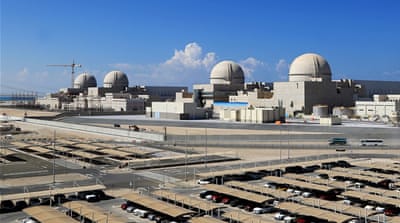
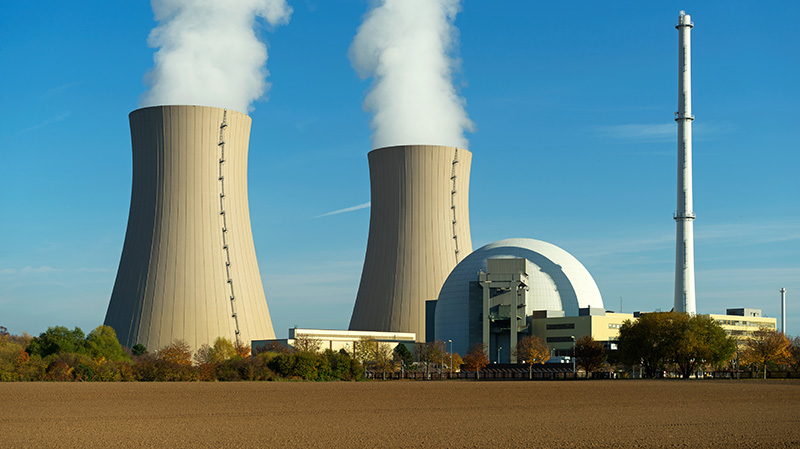
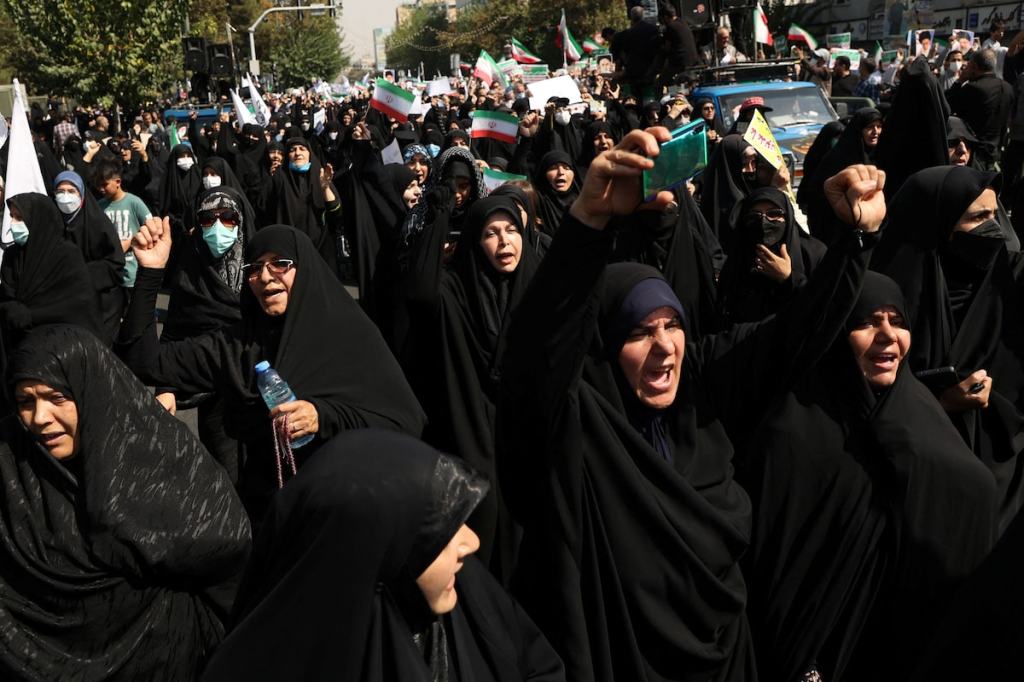
Iran’s nuclear program, which has been a source of contention for years, has reached alarming levels with its recent breakthroughs in uranium enrichment. The Joint Comprehensive Plan of Action (JCPOA), established in 2015, aimed to limit Iran’s nuclear capabilities in exchange for sanctions relief. However, the U.S. withdrawal from the agreement in 2018 and Iran’s subsequent violations of its provisions have reignited fears of a potential nuclear-armed Iran. This situation has acted as a catalyst for other regional powers, particularly Saudi Arabia, to reconsider their own nuclear strategies.
Saudi Arabia’s Position
Saudi Arabia, the world’s largest oil exporter and a leading power in the Arab world, perceives Iran’s nuclear capability as an existential threat. The Kingdom has a long-standing commitment to countering Iranian influence in the region, and acquiring nuclear technology is viewed as a means to level the playing field. Moreover, Saudi Arabia’s desire to diversify its energy portfolio and reduce its dependence on oil further fuels its interest in nuclear power.
Motivations Behind Saudia Arabia’s Nuclear Ambitions
Security Concerns
The primary motivation for Saudi Arabia’s nuclear ambitions is rooted in national security. The Kingdom is acutely aware of the power dynamics in the Middle East and views a nuclear deterrent as essential for its protection against potential aggression from Iran. Saudi leaders have openly stated that if Iran continues its nuclear program, they will pursue similar capabilities.
Economic Diversification
Beyond security, economic factors play a crucial role in Riyadh’s nuclear aspirations. The Saudi Vision 2030 initiative emphasizes economic diversification and reducing reliance on oil revenues. Nuclear power offers a sustainable energy solution that could help fulfill the Kingdom’s growing energy demands while catering to future economic growth.
The Role of International Players
United States’ Influence
The United States has historically been a key ally of Saudi Arabia and has significant influence over its nuclear ambitions. Washington has expressed support for a civilian nuclear program in Saudi Arabia, provided it adheres to non-proliferation principles. However, the concerns over Saudi Arabia’s potential military ambitions complicate this relationship.
The Biden administration’s efforts to reaffirm the U.S.-Saudi alliance hinge on addressing regional security challenges and managing Iran’s nuclear threat. The U.S. has been advocating for stringent safeguards to prevent the further proliferation of nuclear weapons, pushing for an agreement that balances Saudi Arabia’s energy needs with non-proliferation goals.
China’s Growing Role
In contrast, China’s interest in Saudi Arabia’s nuclear ambitions represents a strategic expansion of its influence in the Middle East. China has positioned itself as a key partner for Riyadh by offering technological expertise and investment in civilian nuclear projects. With ambitions to enhance its Belt and Road Initiative, China seeks to strengthen ties with oil-rich countries, positioning itself as a viable alternative to U.S. influence in the region.
Russia’s Position
Russia, while not as prominently featured as the U.S. and China, also plays a role in the dynamics of Saudi Arabia’s nuclear ambitions. Moscow has engaged with Riyadh on multiple occasions regarding nuclear energy cooperation. The Kremlin’s experience in nuclear technology and its willingness to work with key Middle Eastern states may present an additional option for Saudi Arabia.
Implications for Regional Security
The pursuit of nuclear capabilities by Saudi Arabia raises significant concerns regarding an arms race in the Middle East. If Riyadh successfully develops a nuclear program, it could prompt neighboring countries such as Egypt and Turkey to follow suit, leading to destabilization in an already volatile region. The potential for miscalculations and misunderstandings could increase, raising the stakes for conflict.
Non-Proliferation Concerns
Saudi Arabia’s nuclear ambitions could challenge existing non-proliferation frameworks. The Kingdom has been vocal about its rights under the Treaty on the Non-Proliferation of Nuclear Weapons (NPT), suggesting that any attempt to restrict its nuclear aspirations could be met with resistance. This challenges global diplomatic efforts aimed at curbing nuclear proliferation.
Conclusion
As Saudi Arabia navigates its nuclear ambitions, the balance of power in the Middle East hangs in the balance. The implications of Riyadh’s pursuit of nuclear capabilities extend beyond its borders to affect regional stability and global non-proliferation efforts. With the U.S. and China actively competing for influence over Saudi nuclear aspirations, the future of nuclear politics in the region remains uncertain. Ultimately, the choices made by Saudi Arabia, influenced by its immediate security concerns and international partnerships, will significantly shape the geopolitical landscape of the Middle East for years to come.









 BoldVoices.in
Leave a comment