
In recent years, Russia’s maritime presence has evolved significantly, reflecting its strategic interests and geopolitical goals. The expansion of what has been termed Russia’s “shadow fleet” indicates a shift toward more unconventional maritime operations, raising questions about the implications for global security and trade.
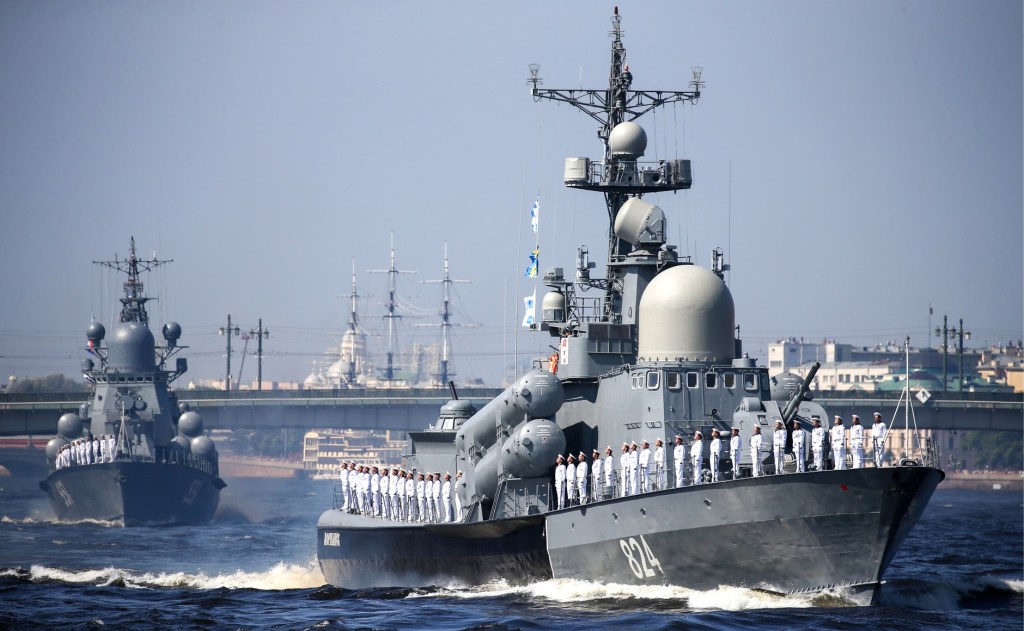
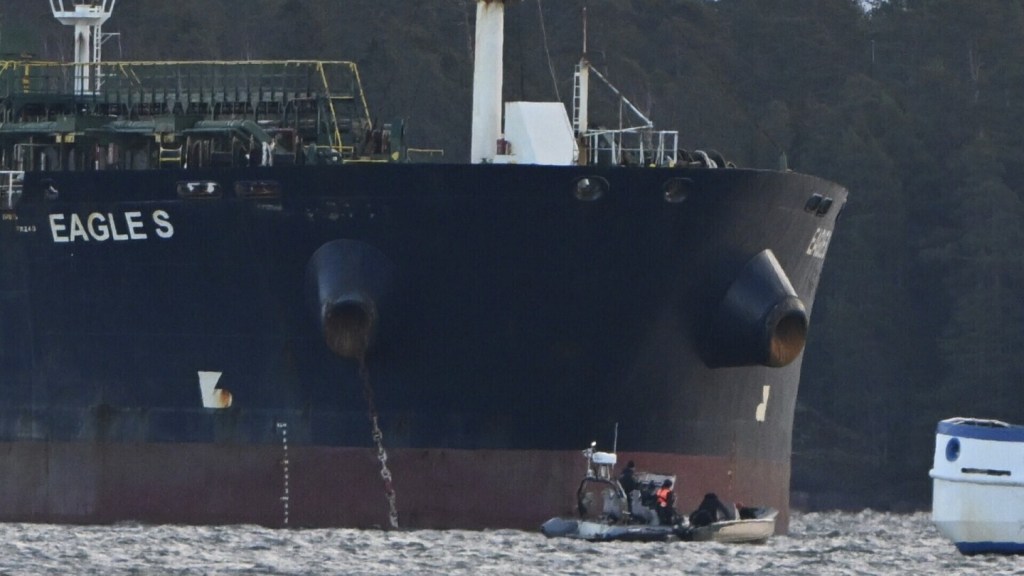
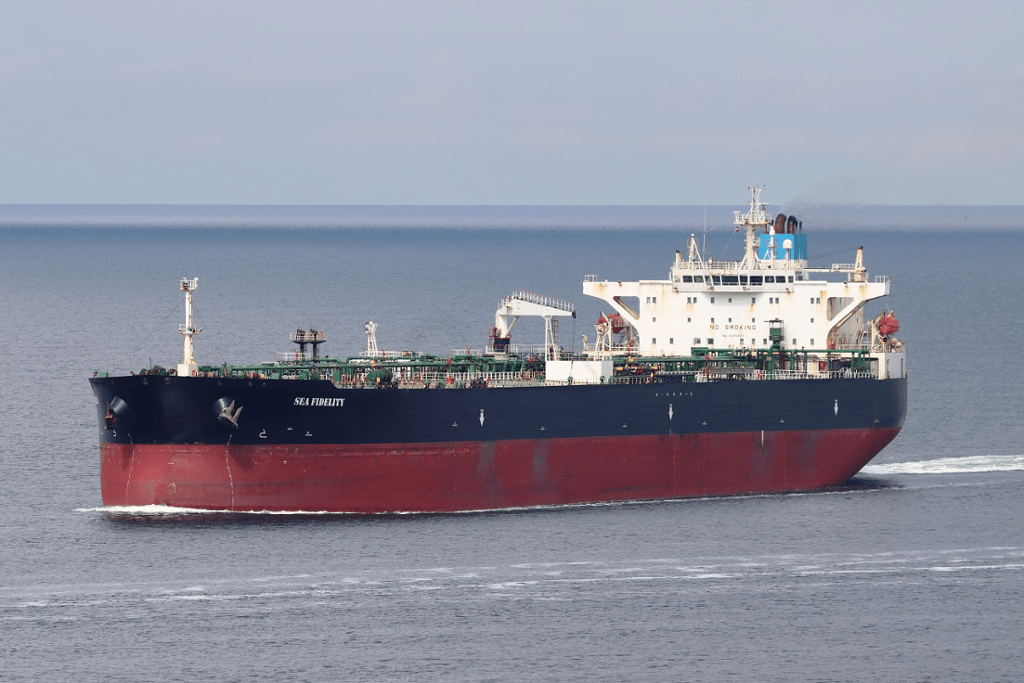
What is Russia’s Shadow Fleet?
The term “shadow fleet” refers to a network of unregistered or obscure vessels used for various purposes, including trade, intelligence gathering, and military operations. In Russia’s case, this fleet comprises both newly constructed ships and older vessels that are repurposed to carry out clandestine activities, often outside the purview of international regulations.
Key Characteristics of the Shadow Fleet
- Lack of Registration: Many vessels within the shadow fleet are not registered under traditional flags. This allows them to operate with diminished oversight and evade legal requirements.
- Dual-Use Vessels: The fleet often includes ships that can be used for both commercial and military purposes. This dual use complicates detection efforts by other nations and organizations.
- Networked Operations: The vessels are typically part of a broader network that includes land-based support and logistical operations, facilitating long-range missions and sustained activities.
Motivations Behind the Expansion
1. Economic Sanctions
In the wake of international sanctions following geopolitical tensions, Russia has sought to bypass restrictions on its maritime trade. The shadow fleet plays a crucial role in transporting energy resources, particularly oil and gas, to markets that remain accessible.
2. Military Strategy
The shadow fleet is also perceived as a strategic asset in military operations. These vessels can be used to conduct surveillance, support naval exercises, and even engage in covert operations, augmenting Russia’s military capabilities without drawing immediate scrutiny.
3. Political Leverage
Maintaining an extensive maritime presence enables Russia to exert influence over critical sea routes. The shadow fleet can be deployed to disrupt shipping lanes, challenge rivals, or secure vital maritime interests.
Notable Activities
Increased Shipbuilding
Russia has invested in building vessels specifically for the shadow fleet. This includes icebreakers for Arctic operations and tankers designed to carry energy resources under the radar.
Support for Proxy Forces
Vessels from the shadow fleet have reportedly provided logistical support to proxy forces in conflict zones, enhancing Russia’s ability to project power without direct military engagement.
Energy Transport
The shadow fleet has become instrumental in transporting oil, often evading sanctions through complex routing strategies. This not only supports the Russian economy but also allows countries favoring Russian energy to receive supplies discreetly.
Global Reactions
The expansion of Russia’s shadow fleet has elicited varied responses globally:
- Increased Naval Patrols: Countries concerned about security have ramped up naval patrols in strategic waterways to monitor the operations of these shadow vessels.
- Intelligence Sharing: Nations are enhancing intelligence-sharing agreements to track the movements and activities of the shadow fleet, aiming to mitigate potential threats to their maritime assets.
- Countermeasures: There is ongoing discussion among Western nations about implementing stronger sanctions and legal frameworks to address the challenges posed by unregistered vessels.
Conclusion
The expansion of Russia’s shadow fleet poses a multifaceted challenge to global maritime security and international trade norms. As this fleet grows in capability and scope, it is essential for the international community to remain vigilant, understanding both the strategic motivations behind its expansion and the potential ramifications on global stability. Adapting to counter these developments will require concerted efforts from nations and organizations committed to maintaining a rules-based maritime order.









 BoldVoices.in
Leave a comment