
Introduction
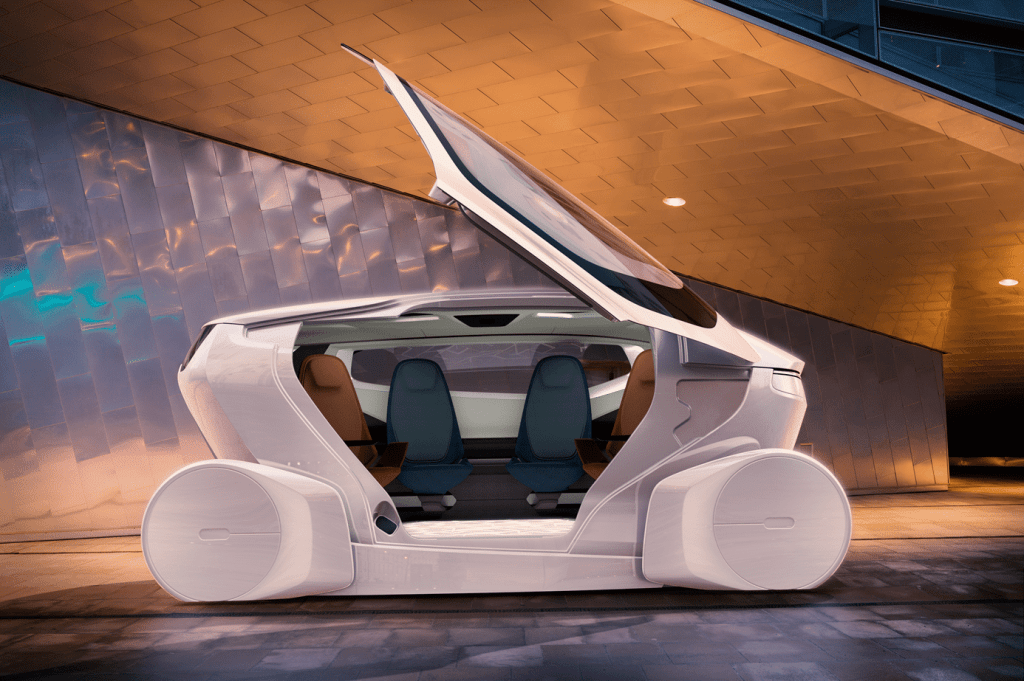
The evolution of transportation has taken a significant turn with the advent of robotaxis—autonomous vehicles designed to transport passengers without a human driver. As urban landscapes become increasingly congested and the need for efficient, reliable mobility solutions grows, robotaxi services have emerged as a promising alternative. This article explores the technology behind robotaxis, their operational models, the benefits they bring to urban environments, challenges they face, and their potential impact on the future of transportation.
Understanding Robotaxi Technology
What Are Robotaxis?
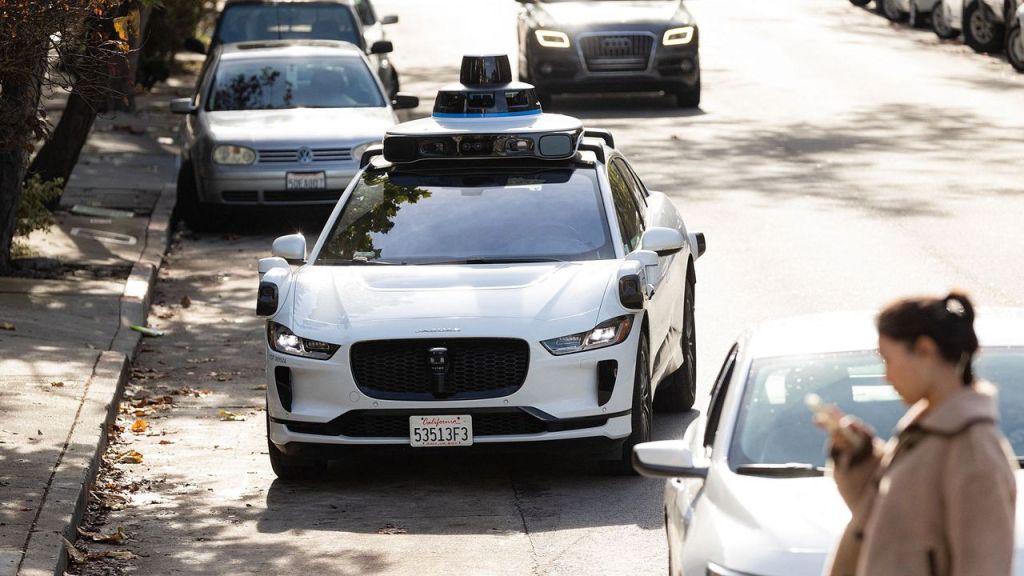
Robotaxis are essentially driverless cars operated through advanced AI algorithms and sensors. These vehicles are equipped with technologies such as:
- LiDAR (Light Detection and Ranging): This technology uses laser beams to create a detailed 3D map of the vehicle’s surroundings, allowing it to identify obstacles, pedestrians, and other vehicles.
- Cameras: Multiple cameras provide a 360-degree view, enhancing the vehicle’s ability to detect signals and road signs.
- Radar: This system detects the speed and distance of other vehicles, crucial for maintaining safe driving distance.
- Advanced Machine Learning Algorithms: These are used to process data from various sensors in real-time, enabling the vehicle to make informed driving decisions.
How Robotaxis Operate
Robotaxis operate through a combination of:
- Mapping: High-definition maps are created to help the vehicle navigate complex urban environments.
- Localization: Sensors and GPS help the vehicle determine its exact location on the map.
- Path Planning: Algorithms calculate the best route, considering traffic conditions, road closures, and other factors.
- Control: The vehicle adjusts its speed and direction based on real-time data from the surroundings.
The Model of Operation
Deployment Models
There are several deployment models for robotaxi services, including:
- On-Demand Services: Passengers can hail robotaxis through mobile apps, similar to existing ride-hailing platforms.
- Fixed Route Services: Robotaxis operate on predetermined routes, which can be particularly effective in high-density urban areas.
- Shared Rides: Services may optimize routes by pooling passengers heading in the same direction.
Key Players in the Market
Prominent companies leading the robotaxi revolution include:
- Waymo: A subsidiary of Alphabet Inc., known for its extensive self-driving technology research.
- Cruise: A subsidiary of General Motors focusing on urban autonomous vehicle services.
- Aurora: A company that brings together expertise in self-driving technology to provide autonomous vehicle solutions.
Benefits of Robotaxis
Increased Accessibility
Robotaxis can provide transportation options for individuals who cannot drive, such as the elderly and disabled, making urban mobility more inclusive.
Reduced Traffic Congestion
With the potential for autonomous vehicles to communicate and optimize routes, robotaxis could contribute to reduced traffic congestion, leading to smoother traffic flow.
Lower Operational Costs
As robotaxis eliminate the need for human drivers, operational costs for these services can be significantly lowered, making rides more affordable for consumers.
Environmental Impact
Many robotaxi fleets are designed as electric vehicles, which can help reduce greenhouse gas emissions and promote sustainable transportation.
Challenges Facing Robotaxis
Regulatory Hurdles
The legal landscape for autonomous vehicles varies significantly across regions. Regulators need to develop comprehensive frameworks to govern the operation of robotaxis and ensure public safety.
Technological Limitations
Although advancements have been made, challenges such as navigating complex urban environments, adverse weather conditions, and unpredictable human behavior still remain.
Public Perception
Many individuals are still hesitant about using autonomous vehicles due to safety concerns. Overcoming these perceptions will be crucial for broader adoption.
The Future of Robotaxis
As technology continues to advance, the integration of robotaxis into urban transport networks appears to be inevitable. In the coming years, we can expect to see:
- Increased partnerships between technology companies and municipalities to develop smarter transportation ecosystems.
- Improvements in AI and machine learning algorithms that enhance vehicle performance and safety.
- Expansion of services into more regions as regulatory frameworks evolve and public trust grows.
Conclusion
Robotaxis represent a significant leap forward in the quest for efficient, safe, and sustainable urban transportation. While challenges remain, the potential benefits drive ongoing investments and innovations in this sector. As we head towards a future where robotaxis become commonplace, cities could transform into safer, cleaner, and more efficient environments for their inhabitants.










 BoldVoices.in
Leave a comment