
Quantum computing represents a paradigm shift in computation. Unlike classical computers that rely on bits as the smallest unit of data, quantum computers utilize quantum bits or qubits, which can exist in multiple states simultaneously. This unique property allows quantum computers to process complex problems more efficiently than traditional computers. This article delves into significant breakthroughs in quantum computing that have advanced the field and opened new possibilities for technology and science.

1. Understanding Qubits
At the heart of quantum computing are qubits, which can represent both 0 and 1 at the same time due to superposition. This ability leads to an exponential increase in computing power compared to classical bits. Innovations in qubit technology, including the development of superconducting qubits, trapped ions, and topological qubits, have been crucial.
1.1 Superconducting Qubits
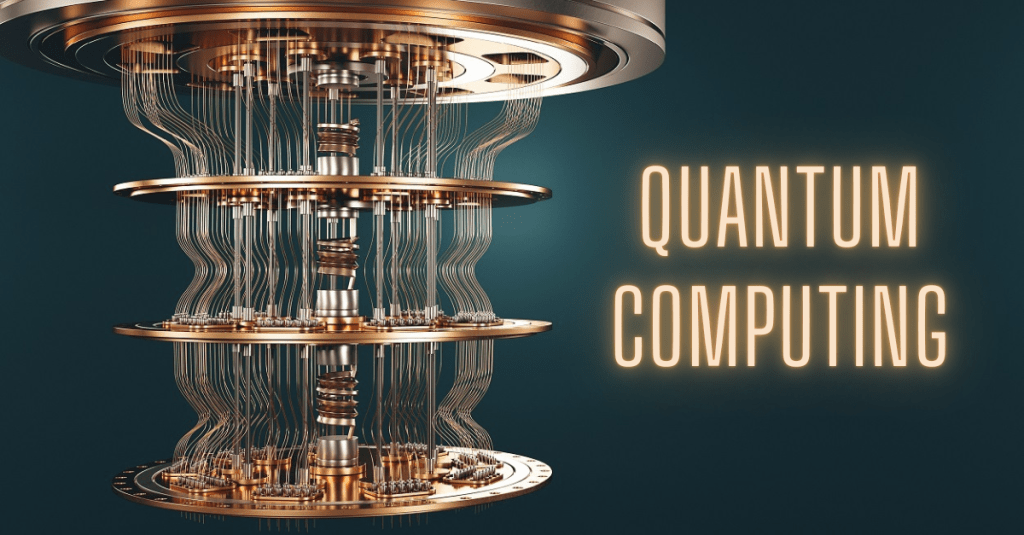
Superconducting qubits, developed by companies like IBM and Google, have become one of the leading technologies in quantum computing. They operate at extremely low temperatures, achieving quantum coherence and allowing operations at the quantum level.
1.2 Trapped Ion Qubits
Trapped ion qubits use ions confined in electromagnetic fields to perform quantum computations. Companies like IonQ showcase the potential of this technology, maintaining qubit states with exceptional fidelity over longer durations.
2. Quantum Supremacy
A landmark achievement in quantum computing was Google’s demonstration of quantum supremacy in 2019. They reported that their quantum processor, Sycamore, completed a complex computation in 200 seconds, which would take the most advanced classical supercomputers approximately 10,000 years to solve. This breakthrough validated the potential of quantum computers to perform tasks beyond the reach of classical systems.
3. Quantum Algorithms
Developing quantum algorithms has been vital for harnessing the power of quantum computers. Notable algorithms include:
3.1 Shor’s Algorithm
Shor’s Algorithm, designed for integer factorization, showcases the capacity of quantum computing to crack encryption methods like RSA, which underlie much of modern cybersecurity.
3.2 Grover’s Algorithm
Grover’s Algorithm provides a quadratic speedup for unstructured search problems, enabling faster data retrieval compared to classical methods. This algorithm has implications for various applications, including database search and optimization problems.
4. Quantum Error Correction
Error correction is a significant challenge in the field of quantum computing. Quantum states are fragile and susceptible to decoherence and noise. Breakthroughs in quantum error correction codes, such as the surface code and the Bacon-Shor code, have been developed to protect quantum information and maintain coherence over extended periods.
5. Quantum Networking
Quantum networking aims to connect quantum computers to create a quantum internet. This would enable secure communication through quantum key distribution. Recent advancements have successfully demonstrated long-distance quantum entanglement and the potential for quantum repeaters, paving the way for a practical quantum internet.
6. Industry Applications
The potential applications of quantum computing are vast and diverse. They include:
6.1 Drug Discovery
Quantum computers can simulate molecular interactions at an unprecedented scale, enabling faster drug discovery and the development of novel therapies.
6.2 Cryptography
With the ability to break traditional encryption methods, quantum computing also paves the way for new quantum-resistant cryptographic methods, enhancing data security.
6.3 Optimization Problems
Industries like logistics and finance can leverage quantum computing to solve complex optimization problems, reducing costs and improving efficiency in operations.
7. Future Trends
As research and investment in quantum computing continue to grow, future breakthroughs are expected. Trends to watch include:
- Increased Qubit Counts: Improving the number of qubits is essential for practical quantum computing, with companies constantly working on scaling up their systems.
- Hybrid Quantum-Classical Algorithms: Integrating quantum algorithms with classical systems will enhance capabilities and expand current applications.
- Open-source Quantum Software: Growth in open-source frameworks like Qiskit and Cirq will foster innovation and collaboration within the quantum community.
Conclusion
The field of quantum computing is advancing rapidly, driven by significant breakthroughs in qubit technology, algorithms, and error correction. As we continue to unravel the mysteries of quantum mechanics, the potential applications and implications of quantum computing are bound to reshape industries, enhance scientific exploration, and redefine what is computationally feasible. The journey is just beginning, and the future of quantum computing holds immense promise.
#QuantumComputing #Qubits #QuantumSupremacy #QuantumAlgorithms #ErrorCorrection #QuantumNetworking #DrugDiscovery #Cryptography #Optimization #FutureTrends #TechInnovation #Science #Technology #Computing










 BoldVoices.in
Leave a comment