
Introduction
The intersection of technology and mental health has seen a burgeoning interest in recent years. Mental health wearables, which encompass various devices designed to monitor, manage, and improve mental well-being, have emerged as a promising solution. This article delves into the landscape of mental health wearables, their functionalities, benefits, challenges, and their future trajectory.
What Are Mental Health Wearables?
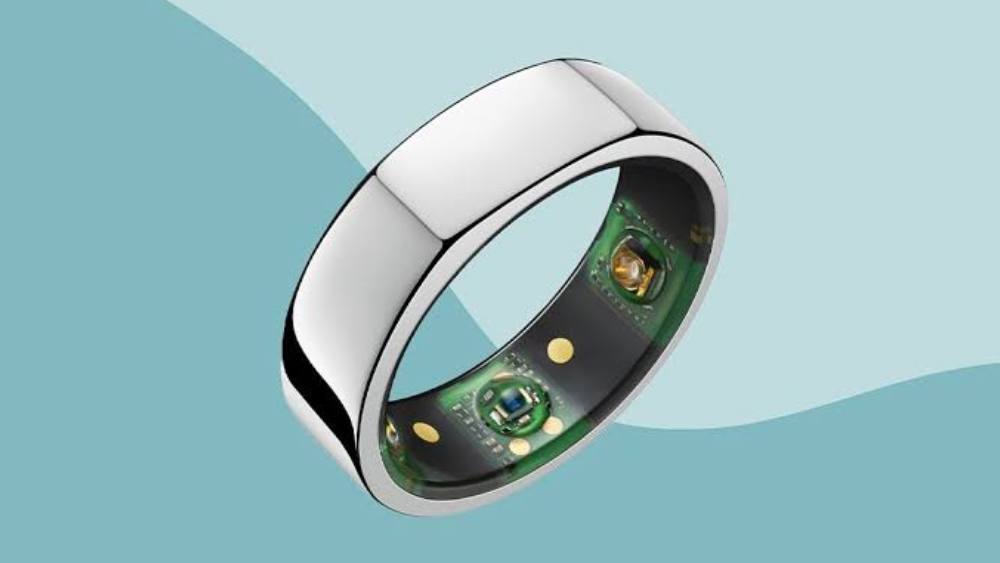
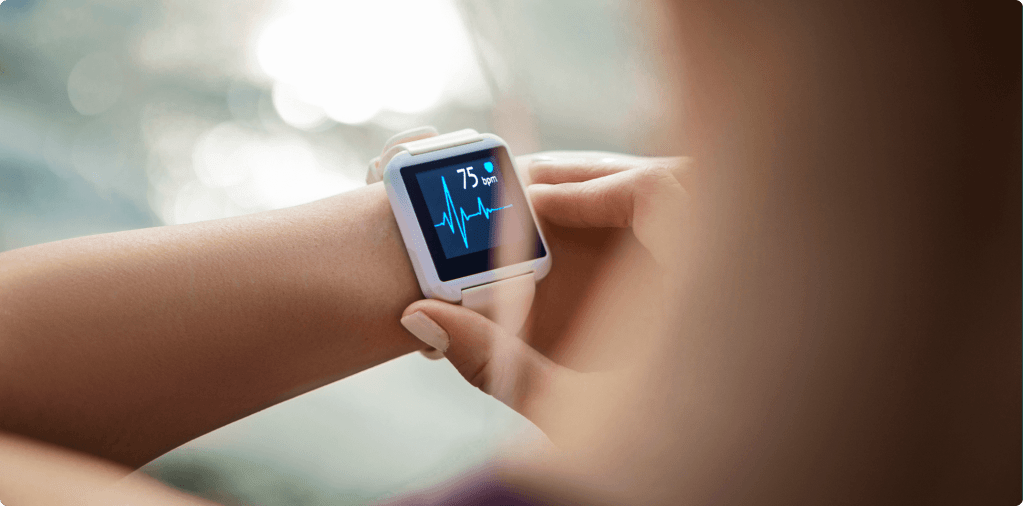
Mental health wearables refer to technology-equipped devices that can be worn on the body to track physiological, behavioral, and emotional data. These devices often include features such as heart rate monitoring, sleep tracking, and stress detection through various biosensors. Examples include smartwatches, fitness trackers, and specialized devices designed solely for mental health monitoring.
Key Features of Mental Health Wearables
- Biometric Monitoring: Many wearables track essential health metrics such as heart rate variability (HRV), sleep patterns, and physical activity levels, which can provide insights into an individual’s mental state.
- Mood Tracking: Some devices allow users to log their moods, thoughts, and activities, helping them identify patterns and triggers related to their mental health.
- Stress Management Tools: Many wearables offer guided breathing exercises, mindfulness reminders, and other stress-reducing features tailored to the user’s needs.
- Integrative Applications: These devices often pair with mobile applications, providing users with a comprehensive platform to analyze their data, receive feedback, and access resources or support networks.
Benefits of Mental Health Wearables
Promoting Self-Awareness
Mental health wearables encourage users to become more attuned to their mental health. By tracking and logging daily activities, users can recognize what affects their mood and well-being, ultimately leading to better self-management strategies.
Accessibility and Convenience
Wearables provide an easily accessible means of mental health management. They can be used anywhere, anytime, making them a convenient option for individuals who may not have regular access to mental health professionals or therapeutic resources.
Data-Driven Insights
The ability to collect and analyze real-time data puts mental health wearables a step ahead in delivering personalized insights. Users can view patterns over time, which can be beneficial for discussions with healthcare providers.
Encouragement of Healthy Habits
Many wearables promote healthy lifestyle habits such as regular exercise, adequate sleep, and mindfulness practices, which are crucial components of mental health.
Challenges and Limitations
Privacy Concerns
One of the significant challenges associated with mental health wearables is the potential for privacy breaches. The sensitive nature of mental health data requires robust security measures to protect user information.
Accuracy and Reliability
The accuracy of the data collected by wearables can vary significantly, which may lead to misunderstanding or misinterpretation of one’s mental health. Users must be cautious and seek professional advice rather than relying solely on wearables.
Over-Reliance on Technology
While these devices can augment mental health care, there is a risk that users may become too reliant on technology rather than pursuing traditional therapeutic interventions or support systems.
Accessibility
Not everyone can afford mental health wearables, which can create disparities in access to mental health management tools. This factor may perpetuate existing inequalities in mental health care.
The Future of Mental Health Wearables
Advances in Technology
With ongoing advancements in technology, we can expect more sophisticated features in future mental health wearables. Innovations such as improved biosensors, artificial intelligence, and machine learning algorithms will likely lead to better data accuracy and personalized mental health solutions.
Integration with Healthcare Systems
Greater collaboration between wearable manufacturers and healthcare providers is essential for establishing integrated mental health care pathways. This partnership could lead to more informed treatment options and enhanced patient outcomes.
Research and Development
Continued research is crucial to validate the effectiveness of mental health wearables. Longitudinal studies that assess their impact on mental well-being will help refine these devices and their applications in mental health care.
Conclusion
Mental health wearables are carving a niche in the realm of mental health management. While they offer numerous benefits, such as promoting self-awareness and adherence to healthy habits, they also come with challenges that must be addressed. As technology continues to evolve, the future of mental health wearables holds promise for enhancing mental well-being in ways that blend accessibility, personalized insights, and data-driven approaches.










 BoldVoices.in
Leave a comment