
Introduction
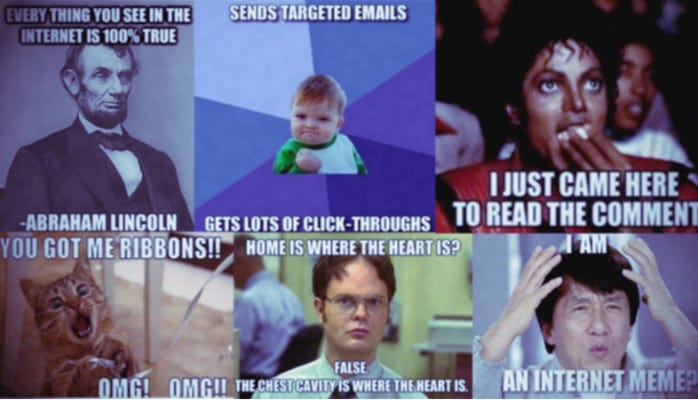
Meme culture is a fascinating aspect of contemporary digital life, evolving rapidly with the advent of social media. Memes, which can be defined as ideas or behaviors that spread within a culture, often carry humor, social commentary, or cultural references. They provide a unique lens through which we can observe societal trends, shifts in communication styles, and collective human behavior.
The Origins of Memes
The term “meme” was coined by British evolutionary biologist Richard Dawkins in his 1976 book The Selfish Gene. He used it to describe ideas that spread and evolve in a manner analogous to genetic evolution. However, the modern understanding of memes, particularly as they pertain to internet culture, began to take shape in the early 2000s with the rise of forums and platforms like 4chan, Reddit, and later, social media networks.
The Anatomy of a Meme
Memes typically consist of an image, video, or text with a humorous or relatable message that resonates with a specific audience. Key components of memes include:
- Format: The physical structure of the meme, often recognizable across various iterations (e.g., image macros, video clips).
- Content: The underlying message or joke, which can vary from lighthearted fun to social critique.
- Context: The situational background that gives the meme its meaning, often tied to current events or cultural phenomena.
Types of Memes
Memes can be categorized into various types, each serving different purposes:
- Image Macros: These are the most recognized form of memes, typically featuring an image overlaid with text.
- Reaction Memes: Images or videos used to express emotions or reactions (e.g., the “Distracted Boyfriend” or “Woman Yelling at a Cat”).
- Video Memes: Short clips that are edited or repurposed for comedic effect, such as TikTok videos or YouTube edits.
- Viral Challenges: Trends that encourage user participation, often perpetuated through a hashtag (e.g., the Ice Bucket Challenge).
- Political Memes: Satirical content aimed at commenting on politics, often amplifying social movements or reactions to political events.
The Role of Social Media
Social media platforms like Twitter, Instagram, TikTok, and Facebook play a crucial role in the spread of memes. Each platform offers unique environments that shape how memes are created and shared:
- Twitter: Known for text-based memes and trending hashtags, allowing for fast dissemination and engagement.
- Instagram: Focuses on visual aesthetics, often sharing highly-polished memes that are visually appealing.
- TikTok: Revolutionized video memes, enabling users to create engaging short videos and participate in trends rapidly.
The Lifecycle of Memes
Memes often go through a lifecycle that starts with creation, spreads through sharing, and eventually reaches saturation and decline. This lifecycle can be described in stages:
- Creation: A meme is born, often in response to an event, development, or social commentary.
- Circulation: The meme spreads through social media, forums, and messaging platforms as users share and remix it.
- Peak Popularity: The meme reaches its height of relevance, often becoming a part of popular culture.
- Saturation: As the meme is overused or loses its novelty, engagement decreases.
- Decline and Obsolescence: The meme fades from popular use, often replaced by newer trends.
Impact on Society
Meme culture has profoundly influenced communication, creativity, and even politics. Some of the notable impacts include:
- Shaping Language: Memes contribute to the evolution of language and cultural references, introducing new phrases or idioms.
- Social Commentary: Memes can serve as powerful tools for criticism and satire, making complex issues more accessible and engaging.
- Community Building: Memes create shared experiences and bonds among communities, driving engagement across diverse groups.
Current Trends in Meme Culture
As of 2023, several trends are shaping meme culture:
- Inclusivity and Diversity: Memes are increasingly reflecting diverse voices and experiences, making the culture more inclusive.
- Nostalgia: Many memes draw on nostalgia, tapping into collective memories or bygone eras (e.g., 90s pop culture).
- AI-Generated Memes: Advances in artificial intelligence are allowing for the creation of memes that blend human and machine creativity.
- Trends of Awareness: There’s a growing trend towards memes that raise awareness on topics like mental health or climate change.
Meme culture is an ever-evolving phenomenon that captures the spirit of contemporary society. As memes continue to reflect and shape our thoughts, behaviors, and values, they remain an essential part of our digital communication landscape. Understanding meme culture is crucial for grasping the nuances of modern interactions, humor, and social commentary. Whether as a form of entertainment or a vehicle for cultural criticism, memes will likely continue to evolve alongside our changing world.
Hashtags in Meme Culture
Hashtags play a pivotal role in the world of memes, acting as tags that categorize and enhance the discoverability of content across social media platforms. They enable users to engage with trending topics, participate in challenges, and share their own interpretations of popular memes.
Importance of Hashtags
- Increased Visibility: Hashtags help users find memes related to specific themes or events, making it easier for content to go viral.
- Community Engagement: They foster a sense of community among users who contribute to a particular trend or topic, allowing for collective participation.
- Trend Tracking: Hashtags allow for the identification of ongoing trends, helping memers understand what is currently popular or relevant.
Examples of Popular Hashtags in Meme Culture
- #MemeOfTheDay: Used to highlight a standout meme each day.
- #DankMemes: Refers to high-quality or particularly funny memes that are often absurd in nature.
- #RelatableMemes: Captures memes that resonate with shared experiences or emotions, making them highly relatable.
- #ViralChallenge: Used for memes that are part of a viral social media challenge, encouraging participation and sharing.
- #Throwback: Commonly associated with nostalgic memes, drawing on past events or cultural references.
Conclusion
Incorporating hashtags into meme-sharing practices not only enhances visibility but also enriches the user experience by connecting individuals through shared humor and insights. As meme culture continues to evolve, hashtags will remain a crucial element in navigating and perpetuating digital trends.








 BoldVoices.in
Leave a comment