
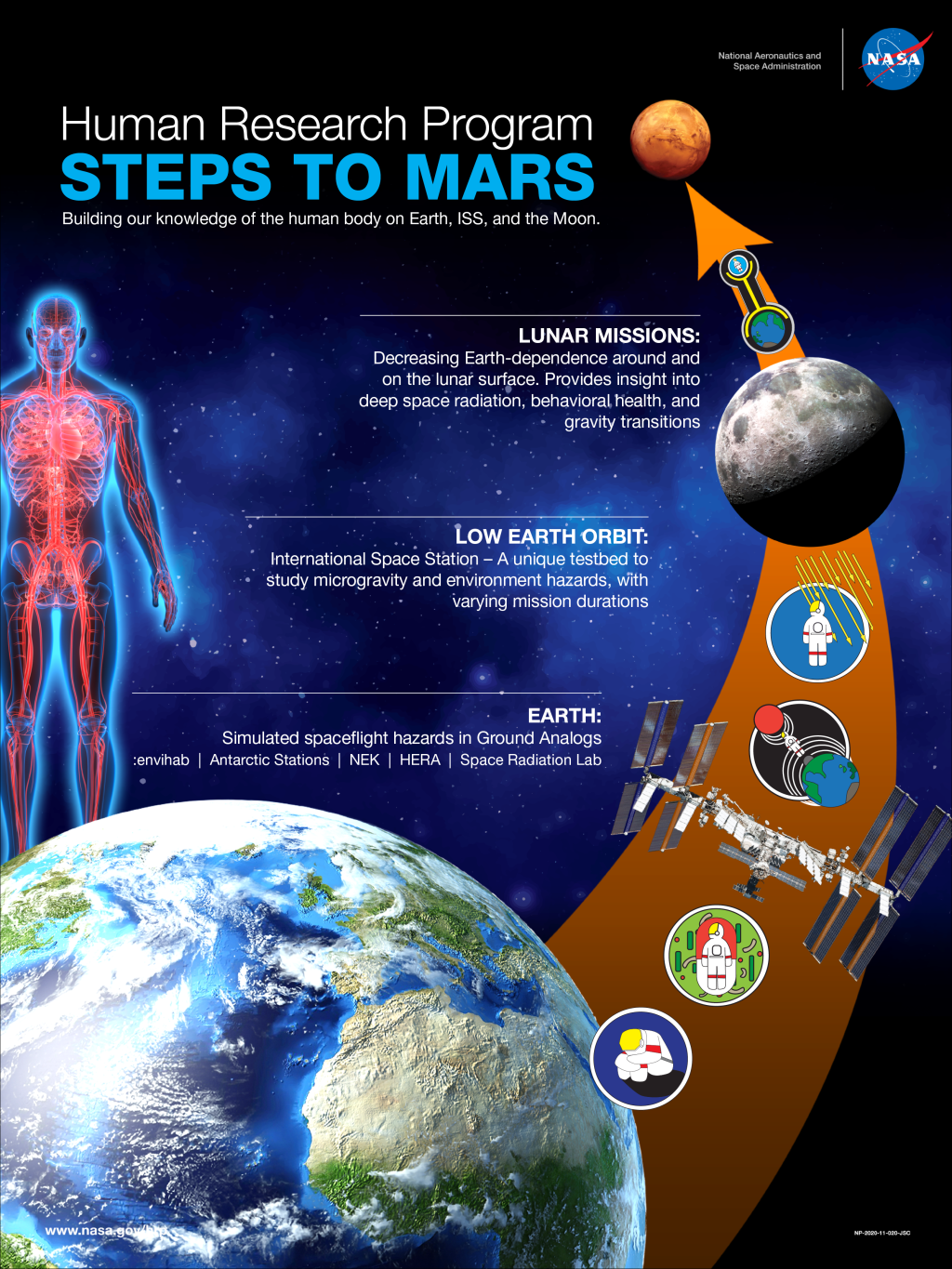
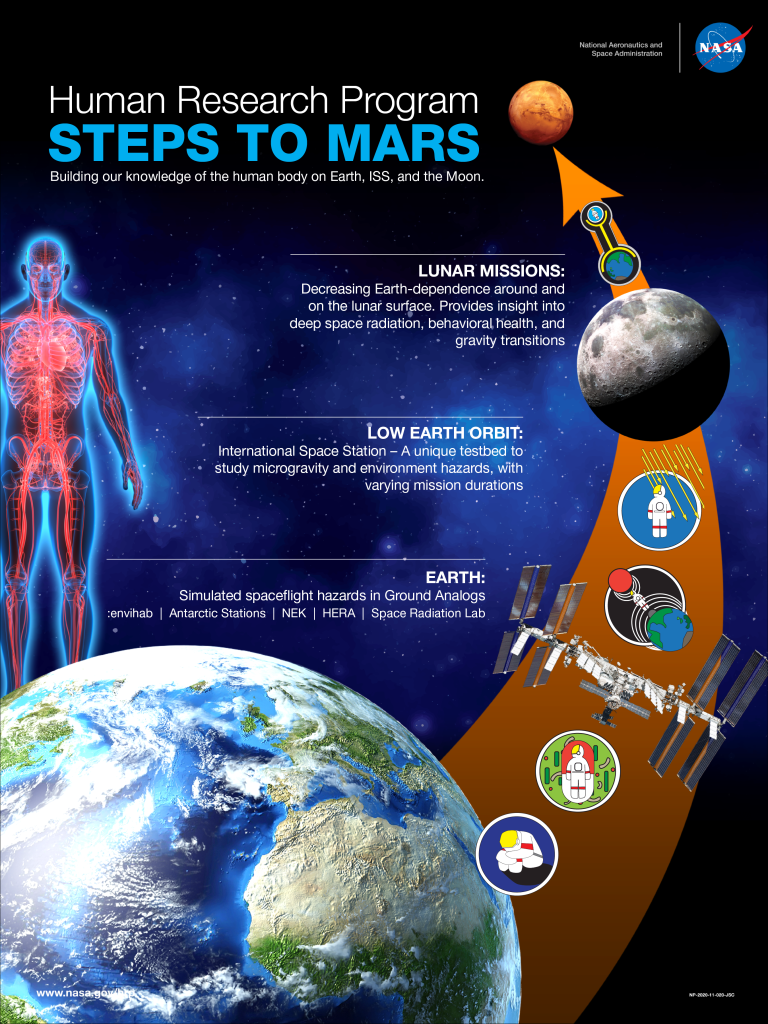
The exploration of Mars has been a dream for scientists and engineers for decades. As agencies around the world set their sights on sending humans to the Red Planet, the preparation for such missions becomes increasingly complex. This article delves into the multifaceted aspects of Mars mission prep, focusing on technology, training, logistics, and future prospects.
1. Understanding Mars: The Red Planet
Before embarking on a mission to Mars, it’s essential to understand the planet’s characteristics. Mars, the fourth planet from the Sun, has a thin atmosphere composed mostly of carbon dioxide, with surface temperatures averaging around minus 80 degrees Fahrenheit (-62 degrees Celsius). The surface of Mars features the largest volcano in the solar system, Olympus Mons, and it has polar ice caps that expand and contract with the seasons.
1.1 Key Geological Features
- Olympus Mons: This shield volcano is nearly 13.6 miles (22 kilometers) high.
- Valles Marineris: A canyon system that stretches over 2,500 miles (4,000 kilometers).
- Polar Ice Caps: Composed of water and dry ice, crucial for understanding Martian climate.
2. Objectives of Mars Missions
The primary objectives of missions to Mars can include:
- Scientific Exploration: Understanding the geology, climate, and potential for past or present life.
- Technological Demonstration: Testing new technologies for surface operations and habitat.
- Human Exploration: Preparing for long-duration stays with human crews.
3. Technological Preparations
3.1 Launch Vehicles
The first step in any Mars mission is the launch. Heavy-lift rockets like NASA’s Space Launch System (SLS) or SpaceX’s Starship will be crucial for sending payloads to Mars.
3.2 Entry, Descent, and Landing (EDL)
Landing on Mars presents unique challenges due to its thin atmosphere. Technologies such as heat shields, parachutes, and retrorockets are vital for successfully landing spacecraft on Martian soil.
3.3 Surface Mobility and Robotics
Rovers such as Perseverance and Curiosity serve as mobile laboratories. Developing new robotic systems will enhance exploration and support human operations.
3.4 Life Support Systems
Ensuring the survival of astronauts requires advanced life support systems, including:
- Oxygen Generation: Electrolysis of water to produce breathable oxygen.
- Water Recycling: Systems to purify and recycle water used by the crew.
- Food Production: Hydroponic systems may be essential for sustainability.
4. Astronaut Training
4.1 Physical and Mental Preparation
Astronauts must undergo rigorous physical training to endure the conditions on Mars. Moreover, mental resilience training helps in dealing with isolation and confined spaces.
4.2 Simulated Environments
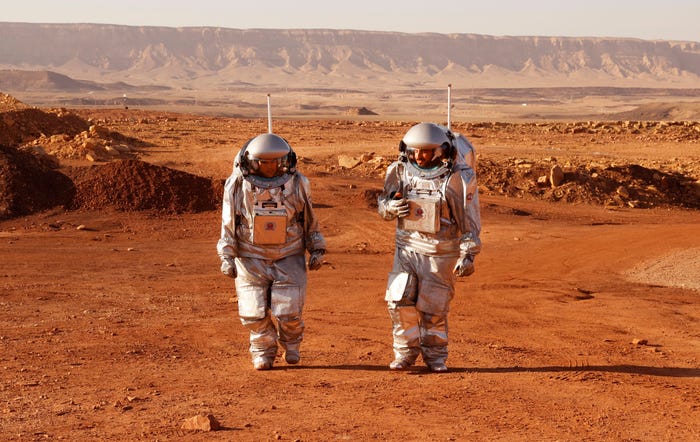
Using facilities that mimic Martian conditions, such as the HI-SEAS habitat in Hawaii, astronauts can practice living and working on the Martian surface.
4.3 Collaboration and Teamwork
Effective communication is critical. Astronauts participate in team-building exercises to build trust and collaboration skills that will be vital during the mission.
5. Logistical Considerations
5.1 Mission Timelines
A typical Mars mission can take about six to nine months of transit time one way. This long duration necessitates meticulous planning for all mission phases.
5.2 Resupply and Sustainability
Developing systems for resupply missions is essential, while sustainability practices will ensure that missions to Mars can be prolonged without excessive resupply from Earth.
5.3 International Collaboration
Pooling resources and expertise from countries around the world can enhance mission capabilities, share costs, and foster peace through cooperative efforts.
6. Future Prospects
Exploring Mars is just the beginning. Future missions envision:
- Establishing Bases: Creating a permanent human presence for research and exploration.
- Terraforming Endeavors: Long-term plans to make Mars more Earth-like for human colonization.
- Astrobiology: Searching for signs of past life and understanding its potential for supporting life.
Conclusion
The preparation for Mars missions involves comprehensive planning and robust technological advancements. With international cooperation, innovative solutions, and meticulous training protocols, humanity is one step closer to unlocking the mysteries that Mars holds. As we push the boundaries of exploration, the potential for life beyond Earth and the future of human settlement on other planets remain a thrilling possibility.
With each advancement, the dream of walking on Mars inches closer to reality. The exploration of the Red Planet can provide significant insights into our own planet’s past and guide us in making sustainable choices for the future.










 BoldVoices.in
Leave a comment