
The quest for longevity has captivated humanity for centuries, combining science, folklore, and hope into a mixture that drives both research and consumer interest. In recent years, the emergence of longevity drugs, particularly Rapamycin and NAD+ boosters, has sparked significant buzz. This article delves into the mechanisms, benefits, and implications of these compounds that are hitting the market.
Understanding Rapamycin
What is Rapamycin?
Rapamycin, also known as Sirolimus, is a macrolide compound initially discovered as a byproduct of a soil bacterium, Streptomyces hygroscopicus, on Easter Island. Initially approved for medical use in the early 2000s to prevent organ transplant rejection and treat some cancers, its potential as a longevity drug has garnered attention.
Mechanism of Action
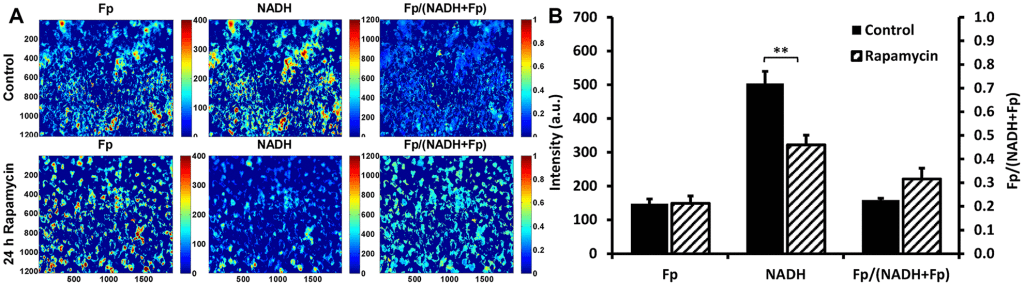
Rapamycin functions primarily as an inhibitor of the mechanistic target of rapamycin (mTOR) pathway, which is crucial for cellular growth and metabolism. The mTOR pathway plays a significant role in aging by regulating various cellular processes such as protein synthesis, autophagy (cellular cleaning), and mitochondrial function.
By inhibiting mTOR, Rapamycin promotes autophagy, allowing the body to clear damaged cells and regenerate healthier ones. This process not only enhances cellular health but has also been linked to increased lifespan in various model organisms, including yeast, flies, and mice.
Benefits of Rapamycin
- Anti-Aging Properties: Research indicates that Rapamycin may extend lifespan in animal studies, leading to its consideration as a potential anti-aging treatment in humans.
- Improved Immune Function: There is evidence suggesting that Rapamycin can improve immune response, particularly in the elderly, potentially reducing the impact of age-related diseases.
- Cancer Treatment: Its capacity to inhibit cell growth makes Rapamycin a promising candidate for cancer therapies, particularly in slowing the progression of certain types of tumors.
Market Availability
As interest in longevity research grows, several companies are now exploring the formulation of Rapamycin for off-label anti-aging purposes. Though still under investigation for long-term safety and efficacy, it is becoming increasingly accessible through various channels.
Understanding NAD+ Boosters
What is NAD+?
Nicotinamide adenine dinucleotide (NAD+) is a coenzyme found in all living cells, essential for energy production and metabolic processes. Its role in cellular repair, stress response, and aging makes it a critical player in the quest for longevity.
Role in Aging
NAD+ levels decline with age, leading to a corresponding decrease in cellular function and repair mechanisms. This decline is associated with various age-related diseases and decreased physiological resilience. Increasing NAD+ levels through supplementation is thought to promote healthspan and longevity.
NAD+ Precursors
- Nicotinamide Riboside (NR): Found in milk and available as a dietary supplement, NR has been shown to elevate NAD+ levels, enhance mitochondrial function, and improve metabolic health.
- Nicotinamide Mononucleotide (NMN): Like NR, NMN is also a NAD+ precursor that can enhance muscular and metabolic function, and its derivative supplementation has been shown to improve age-related decline in mice.
Benefits of NAD+ Boosters
- Enhanced Energy Production: By increasing NAD+ levels, these supplements can improve cellular energy metabolism, leading to better overall vitality.
- Cognitive Function: Emerging studies suggest that boosting NAD+ may improve cognitive function and protect against neurodegenerative diseases.
- Cellular Repair and Maintenance: NAD+ is vital for DNA repair and may enhance the lifespan of cells, contributing to healthier aging.
Market Trends
The market for NAD+ boosters has exploded, with numerous brands offering supplements that range from NR to NMN formulations. As research continues to elucidate the benefits of these compounds, they are becoming regular fixtures in the wellness and anti-aging sectors.
Conclusion
The introduction of Rapamycin and NAD+ boosters into the market marks a significant milestone in the field of longevity therapies. While research is ongoing, the foundational science supporting their use presents promising opportunities for improving healthspan and possibly lifespan. However, consumers should approach these substances with caution, as long-term safety and efficacy studies are still needed. As always, consulting healthcare professionals before starting any new treatment is essential to ensure safety and the best possible outcomes in the pursuit of longevity.
#Longevity #Rapamycin #NADBoosters #Aging #Healthspan #AntiAging #Wellness #CellularHealth #Metabolism #NAD+ #Science #Research #HealthyLiving #Biohacking #Supplementation #AgingResearch










 BoldVoices.in
Leave a comment