
Introduction
In recent years, lab-grown meat, also known as cultured or cell-based meat, has gained significant attention as a sustainable alternative to traditional meat. With increasing concerns over the environmental impact of livestock farming, animal welfare issues, and health considerations, lab-grown meat presents a new frontier in the food industry. As it becomes available in stores, it’s essential to understand its production process, benefits, challenges, and the current state of commercialization.
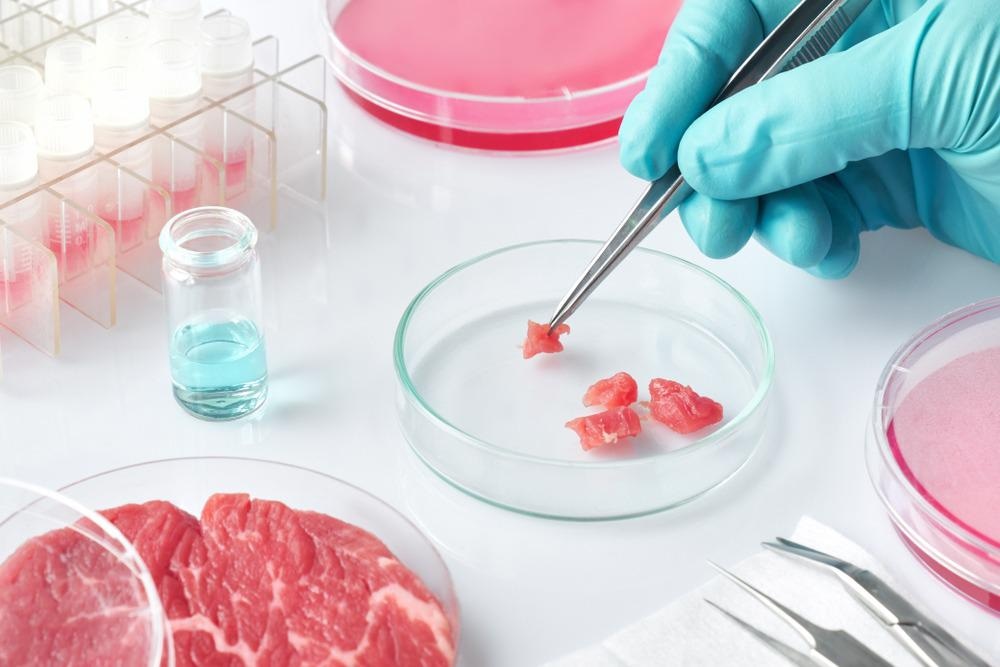
What is Lab-Grown Meat?
Lab-grown meat is produced by culturing animal cells in a controlled environment, allowing them to grow and develop into muscle tissue, which is essentially meat. This technology eliminates the need for raising and slaughtering animals, potentially transforming the future of protein consumption.
Production Process
- Cell Extraction: The process begins with obtaining a small sample of animal cells, typically muscle cells, from a live animal through a biopsy.
- Cell Cultivation: These cells are then placed in a bioreactor—a specially designed tank that provides the ideal conditions for growth, including optimal temperature, pH levels, and nutrition.
- Tissue Development: Over time, the cells multiply and form muscle tissue through a process similar to how they would grow in a live animal. This can take several weeks.
- Harvesting and Processing: Once a sufficient mass of meat has been cultivated, it is harvested, processed, and prepared for sale.
Benefits of Lab-Grown Meat
Environmental Sustainability
Lab-grown meat has the potential to significantly reduce the environmental footprint of meat production. Some key points include:
- Lower Greenhouse Gas Emissions: Traditional livestock farming is responsible for a substantial amount of greenhouse gases. Cultured meat production can reduce these emissions significantly.
- Reduced Land and Water Use: Lab-grown meat requires less land and water compared to conventional livestock farming, helping to alleviate the strain on natural resources.
Animal Welfare
By producing meat without the need for animal slaughter, lab-grown meat addresses ethical concerns surrounding animal farming, promoting better animal welfare.
Health Benefits
Lab-grown meat can be engineered to have healthier fat profiles, lower cholesterol, and free from antibiotics and hormones commonly found in conventional meat. This can provide consumers with a more nutritious option.
Challenges Facing Lab-Grown Meat
Regulatory Hurdles
The approval and regulation of lab-grown meat vary by region. Companies must navigate complex food safety regulations before their products can reach consumers. Ensuring the safety and quality of cultivated meat is paramount for regulatory bodies.
Consumer Acceptance
Despite the benefits, consumer acceptance remains a significant challenge. Many people associate traditional meat with cultural and culinary heritage, leading to reluctance in embracing lab-grown alternatives. Education and awareness campaigns are crucial to changing perceptions.
Production Costs
Currently, the cost of producing lab-grown meat is significantly higher than traditional meat. Although prices are expected to decrease as technology advances and production scales up, affordability remains a barrier to widespread adoption.
Current State of Lab-Grown Meat in Stores
As of 2023, lab-grown meat has started making its way into select markets around the world. Notable milestones include:
- Regulatory Approvals: Countries such as Singapore have approved lab-grown meat for sale, allowing companies like Eat Just to offer their cultivated chicken products in restaurants and stores.
- Partnerships and Collaborations: Leading food companies are partnering with startups focused on lab-grown meat to diversify their protein offerings and remain competitive.
- Market Launches: Several companies are planning or have already launched lab-grown meat products in the market, creating a buzz around accessible alternatives to conventional meat.
Conclusion
Lab-grown meat represents an innovative response to the growing demand for sustainable food sources. By understanding its production processes, benefits, and challenges, consumers can better appreciate this emerging industry. As lab-grown meat becomes more widely available in stores, it could pave the way for a new era in food consumption, leading to a healthier planet and an ethical approach to feeding a growing population.










 BoldVoices.in
Leave a comment