
Introduction
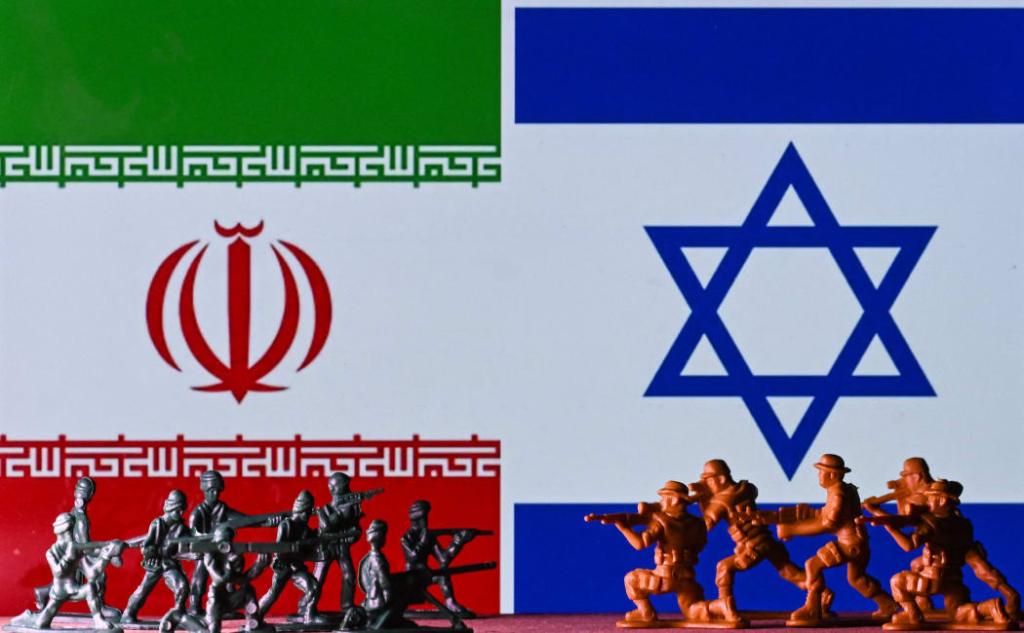
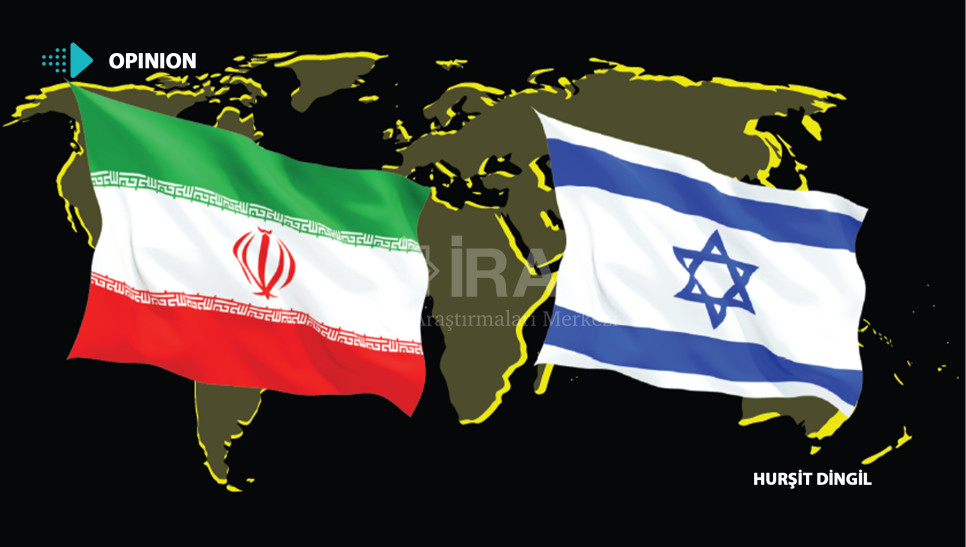
The longstanding tensions between Iran and Israel have recently come to a head, with various forms of covert operations spilling into open conflict. This article delves into the nuances of the Iran-Israel “shadow war,” examining the significant cyberattacks, drone strikes, and sabotage operations that characterize this complex relationship and the recent events that have marked a shift toward overt hostility.
Historical Context
The animosity between Iran and Israel has deep historical roots, coloring the geopolitical landscape of the Middle East. Following the Iranian Revolution in 1979, relations soured dramatically as Iran adopted a hostile stance toward Israel, framed by Tehran’s support for anti-Israel militant groups. In response, Israel has engaged in a series of covert operations aimed at curbing Iranian influence in the region, especially regarding Iran’s nuclear ambitions.
The Cyber Warfare Arena
The Rise of Cyberattacks
In recent years, cyber warfare has become a critical component of the Iran-Israel conflict. Israel has leveraged its advanced cyber capabilities to carry out attacks on Iranian infrastructure, including notable incidents such as the Stuxnet worm that famously disrupted Iran’s nuclear program in 2010. In retaliation, Iranian hackers have targeted Israeli institutions, leading to a tit-for-tat escalation in cyber hostilities.
Notable Incidents
- Cyberattacks on Critical Infrastructure: In 2021, Israel reportedly targeted Iranian water supply systems through cyberattacks, causing significant disruptions. This move epitomizes the increasing willingness of both nations to use cyber means to inflict damage while maintaining plausible deniability.
- DDoS Attacks: Iranian hackers have mounted Distributed Denial of Service (DDoS) attacks against Israeli financial institutions and government websites, aiming to undermine confidence in Israel’s digital resilience.
Drone Strikes: A New Front in the Conflict
Increasing Use of Drones
The utilization of drone technology has transformed modern warfare, and both nations have adopted drones as key operational assets. Israel has conducted surveillance and targeted strikes against Iranian military assets in Syria, while Iran has developed its drone capabilities, exporting technology to affiliate groups across the region.
Recent Developments
In a surprising escalation, both sides have ramped up their drone operations. In 2023, Iranian drones were reportedly used in attacks against Israeli positions in Syria, marking a significant shift from previously clandestine operations to direct confrontations. Israel responded with aerial strikes targeting Iranian drone manufacturing facilities, escalating the cycle of retaliation.
Sabotage Operations: Covert Actions in Open View
Assigning Blame
Sabotage has historically been a tool for both nations. High-profile assassinations of nuclear scientists and military leaders linked to Iran’s nuclear program have been attributed to Israeli Mossad operations. This aspect of the conflict highlights the lengths to which Israel has gone to impede Iranian advancements.
Spillover Effects
The recent attribution of a series of mysterious explosions at Iranian military sites to Israeli covert operations indicates a broader strategy to instigate chaos within Iran’s military infrastructure. Such incidents have not only heightened tensions but also encouraged Iran to bolster its domestic security measures.
The Shift to Open Conflict
Cross-Border Engagements
What once operated primarily in the shadows has increasingly come into the public eye, with direct military engagements occurring along the borders of both nations. The escalation has included missile exchanges and airstrikes, demonstrating that the “shadow war” has now transitioned into a more direct military confrontation.
Political Ramifications
The spillover into open conflict has raised alarms internationally, prompting discussions on diplomatic interventions. Regional dynamics have shifted with allies rallying to support their respective allies, further complicating the scenario.
Conclusion
The Iran-Israel “shadow war” evolving into an overt conflict highlights the fragility of Middle Eastern geopolitics in the face of asymmetric warfare and technological advancements. With cyberattacks, drone strikes, and sabotage operations defining this tumultuous relationship, the risk of a broader conflict looms large. As both nations navigate this perilous landscape, the implications for regional stability are profound, and the potential for escalation remains a credible threat in the coming future.
As global players watch closely, the urgent need for diplomatic solutions becomes ever more apparent. The path ahead will require careful navigation to avoid a full-scale military confrontation that could destabilize an already volatile region.









 BoldVoices.in
Leave a comment