
India-Iran Relations: A Comprehensive Overview
Historical Background
India and Iran share a long history that dates back over millennia. The cultural connections can be traced to ancient civilizations, where trade routes facilitated interactions between the two regions. The Persian Empire influenced Indian culture, as evident in language, art, and architecture.
During the pre-Islamic period, the interactions included trade, with Indian spices and textiles being exchanged for Persian metals and textiles. The Indo-Persian culture that emerged during the Mughal Empire further solidified this relationship. Notably, Persian was the court language of the Mughal Empire, promoting cultural and literary exchanges.
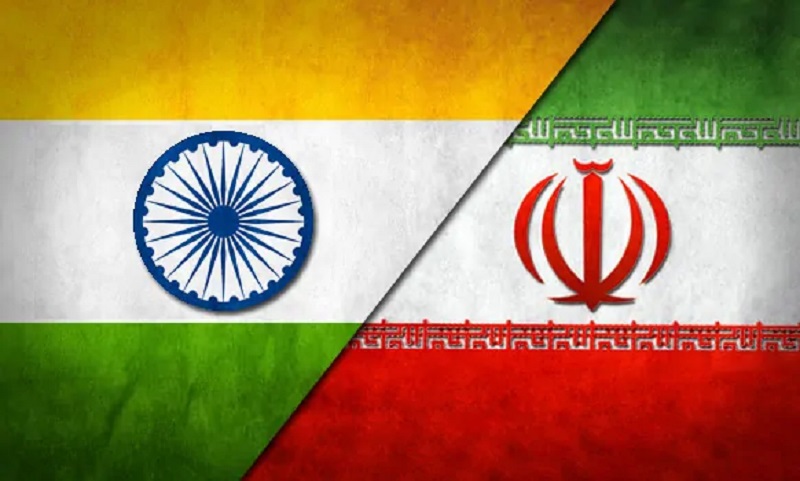
Political Relations
In contemporary times, India and Iran’s relationship has been characterized by a pragmatic approach towards mutual interests. The Islamic Revolution in Iran in 1979 marked a shift in relations, but both nations continued to engage, recognizing the importance of geopolitical stability in the region.
India’s non-aligned stance during the Cold War allowed it to maintain cordial relations with Iran, despite shifting alliances. The collapse of the Soviet Union and subsequent changes in global politics did not diminish the significance of the India-Iran relationship.
Economic Ties
Trade between India and Iran has historically been significant. Iran is among India’s largest suppliers of crude oil, which is crucial for India’s growing energy needs. The two nations have also discussed enhancing trade in various sectors, including pharmaceuticals, agriculture, and industrial goods. In recent years, bilateral trade has focused on reducing dependency on traditional trading partners.
The Chabahar Port project represents a pivotal economic collaboration. India is investing in developing this strategically important port in southeastern Iran, allowing India access to Afghanistan and Central Asia while reducing dependence on Pakistan. This project aims to facilitate trade routes that are crucial for regional connectivity.
Energy Cooperation
Energy cooperation is a cornerstone of India-Iran relations. Iran possesses one of the largest reserves of natural gas and oil in the world, making it an attractive partner for India’s energy security strategy. Iran’s role as a significant oil supplier becomes crucial amid global energy demand fluctuations.
However, India’s adherence to international sanctions imposed on Iran, particularly in response to its nuclear program, has complicated this relationship. India has sometimes had to balance its energy needs with international diplomatic commitments, leading to fluctuating oil import levels.
Cultural Exchanges
Cultural ties between India and Iran are profound and multifaceted. The Persian language and literature have influenced Indian languages, most notably Urdu, which evolved under the Mughal Empire. Cultural exchanges have encompassed art, architecture, and culinary traditions, with Iran’s rich cultural heritage contributing to India’s diversity.
India has a sizable Persian-speaking population, and educational and cultural institutions promote mutual understanding. Events like the annual Iran-India Cultural Festival showcase the deep-rooted cultural connections, further enhancing people-to-people ties.
Regional Security Dynamics
Both countries face similar security challenges, especially regarding terrorism and extremism. The rise of radical groups in the region poses threats to both nations. Thus, India and Iran have increasingly recognized the need for collaboration in combating terrorism and ensuring regional stability.
India’s involvement in Afghanistan, particularly after the withdrawal of U.S. troops, has led to a greater convergence of interests with Iran. Both nations seek a stable and peaceful Afghanistan that is not under the control of extremist factions.
Challenges in Relations
Despite strong historical and cultural ties, several challenges hinder the full potential of India-Iran relations. The most significant challenge stems from international sanctions against Iran due to its nuclear program. This has led to fluctuations in trade and energy cooperation.
Additionally, regional rivalries, particularly between Iran and Pakistan and the influence of other powers like the United States and China in the region, complicate India’s diplomatic posture. India’s close relationship with the United States may also create tension, as Iran views the U.S. presence in the region with skepticism.
Future Prospects
The future of India-Iran relations will largely depend on geopolitical shifts, energy needs, and regional stability. Both nations must navigate the complexities of international relations while focusing on their mutual interests in trade, security, and cultural exchange.
The ongoing development of the Chabahar Port will be a critical factor in enhancing trade and connectivity between the two countries. Additionally, a collaborative approach towards combating terrorism and enhancing security will be vital for fostering stability in the region.
Conclusion
The India-Iran relationship is deeply rooted in history, culture, and shared interests. While challenges exist, the potential for cooperation in various domains remains significant. As both countries seek to navigate the complexities of the 21st century, a strong and resilient India-Iran partnership could contribute to regional stability and prosperity. The future will depend on how both nations manage their bilateral ties amid changing geopolitical landscapes and international pressures.







 BoldVoices.in
Leave a comment