
The Houthi blockade, primarily associated with the conflict in Yemen, has profound implications for the humanitarian situation and geopolitical dynamics in the region. This article provides a detailed analysis of the blockade’s origins, its impact, and the broader context within which it exists.
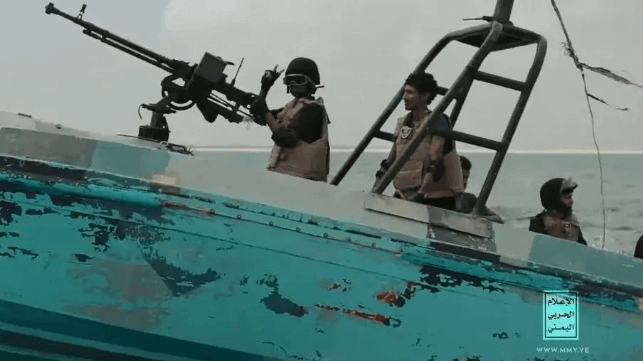

Background to the Conflict
The Houthi movement, officially known as Ansar Allah, emerged from northern Yemen in the 1990s, initially as a group advocating for the rights of the Zaidi Shia minority. The catalysts for their rise to power include:
- Political Discontent: The inability of the Yemeni government, led by President Ali Abdullah Saleh, to address economic issues and political disenfranchisement.
- Regional Factors: The influence of Iran and the desire to counteract Sunni dominance in the region have also played significant roles.
- Arab Spring: The 2011 protests against Saleh’s regime weakened the government, allowing the Houthis to consolidate power, particularly in the north.
In 2014, the Houthis took control of the Yemeni capital, Sana’a, which led to a civil war and the subsequent intervention of a Saudi-led coalition in 2015 aimed at restoring the internationally recognized government.
The Houthi Blockade
Definition and Implementation
The blockade refers to the restrictions imposed by the Saudi-led coalition on the movement of goods, people, and resources in and out of Houthi-controlled areas, particularly the port city of Hodeidah, which is crucial for humanitarian supplies. The blockade serves multiple objectives:
- Military Strategy: By limiting the flow of arms and supplies to the Houthis, the coalition aims to weaken their military capabilities.
- Economic Pressure: The restrictions are intended to pressure the Houthis into negotiations by exacerbating economic hardships.
Humanitarian Impact
The blockade has resulted in one of the world’s worst humanitarian crises. Key consequences include:
- Food Security: According to the United Nations, millions of Yemenis face severe food insecurity, with starvation becoming a real threat.
- Medical Supplies: The blockade has delayed crucial medical supplies, leading to increased mortality rates from treatable conditions.
- Displacement: Ongoing conflict and the blockade have contributed to mass displacement, with many fleeing to find safety only to face a lack of basic necessities in refugee camps.
International Response
The Houthi blockade has elicited varied reactions from the international community:
- United Nations: The UN has repeatedly called for an end to the blockade, emphasizing the urgent need for humanitarian access.
- NGOs: Organizations like Oxfam and Médecins Sans Frontières have reported on the dire conditions and continue to advocate for lifting restrictions.
- Geopolitical Tensions: The blockade has also influenced international relations, particularly between Iran and Saudi Arabia, with each supporting different sides in the Yemen conflict.
Conclusion
The Houthi blockade illustrates the complex interplay of military action, humanitarian need, and international diplomacy in Yemen. As the conflict continues, the ongoing humanitarian crisis remains a pressing concern. A resolution to the blockade represents a critical step towards alleviating the suffering of millions of Yemenis and finding a sustainable peace in the region. Without substantial changes to current policies and a willingness to engage in negotiations, the blockade will likely continue to exacerbate the humanitarian plight in Yemen for the foreseeable future.
This situation continues to evolve, and ongoing monitoring of the humanitarian conditions and diplomatic efforts is essential for understanding how best to assist the affected populations.









 BoldVoices.in
Leave a comment