
Introduction
H5N1 avian influenza, commonly known as bird flu, is a type of influenza virus that primarily affects birds but can also infect humans and other animals. Since its first identification in 1996 in geese in China, H5N1 has become a significant concern for public health and veterinary medicine due to its high mortality rate in infected humans and its potential to cause pandemics.
Origins and Transmission
The H5N1 virus is a subtype of the influenza A virus, which is widespread among bird populations. Wild birds, particularly waterfowl, are natural reservoirs for the virus. The transmission of H5N1 occurs through direct contact with infected birds, their droppings, or contaminated environments, such as water bodies. Humans can contract the virus after close interaction with infected poultry or contaminated surfaces.
Routes of Infection
- Direct Contact: Handling infected birds, feathers, or droppings.
- Aerosol Transmission: Inhalation of aerosolized virus from droppings or respiratory secretions.
- Contaminated Surfaces: Touching surfaces like cages or feed that have come into contact with the virus.
Symptoms in Birds
Infected birds may exhibit a range of symptoms, including:
- High mortality rates
- Sudden death
- Lack of energy
- Respiratory distress
- Swollen head, eyelids, and combs
- Neurological signs, such as tremors and coordination loss
Symptoms in Humans
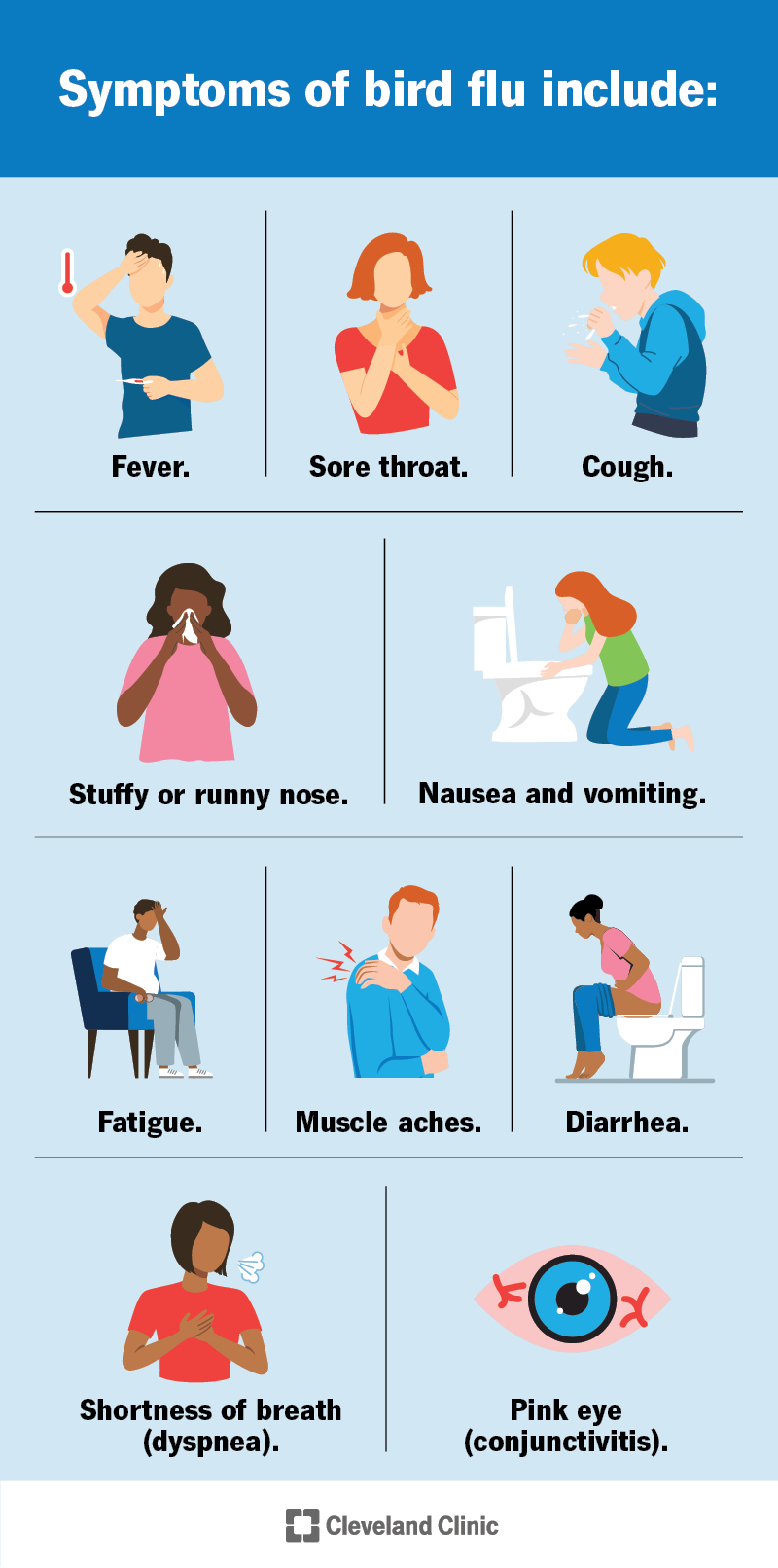
Although transmission from birds to humans is rare, when it occurs, H5N1 can lead to severe illness. Symptoms in humans may include:
- High fever
- Cough
- Sore throat
- Muscle aches
- Conjunctivitis
- Severe respiratory distress leading to pneumonia
The fatality rate for H5N1 infections in humans is high, with estimates ranging from 50% to 60% in reported cases.
Diagnosis
Diagnosis of H5N1 infection is done through laboratory tests, which may include:
- PCR Testing: Polymerase chain reaction tests are used to detect the virus’s genetic material.
- Viral Culture: Isolation of the virus from respiratory samples.
- Serological Tests: Detection of antibodies in the blood to determine previous exposure.
Prevention and Control
Preventive measures are crucial to controlling the spread of H5N1. Key strategies include:
- Vaccination: Vaccinating poultry against H5N1 can reduce infection rates.
- Biosecurity Measures: Implementing strict biosecurity protocols in poultry farms, including hygiene practices and surveillance.
- Public Awareness: Educating the public about the dangers of handling sick or dead birds and the importance of reporting unusual bird deaths.
Treatment
Infected humans are treated with antiviral medications such as oseltamivir (Tamiflu) and zanamivir (Relenza). Early treatment is critical to improve outcomes. Supportive care, such as oxygen therapy and mechanical ventilation, may be necessary for severe cases.
Implications for Public Health
H5N1 remains a public health concern due to its potential to mutate and become easily transmissible between humans. Surveillance of both animal and human populations is essential to detect outbreaks early and respond effectively.
Conclusion
H5N1 bird flu poses a significant threat to both avian and human health. Ongoing research, veterinary health programs, and public awareness campaigns are vital in controlling the virus and preventing future outbreaks. Understanding its transmission dynamics and maintaining robust biosecurity practices can help mitigate the risks posed by this deadly virus.
References
- World Health Organization (WHO)
- Centers for Disease Control and Prevention (CDC)
- Food and Agriculture Organization (FAO)
- National Institutes of Health (NIH)
This comprehensive overview provides insight into the H5N1 virus, its impact, and the ongoing efforts to manage its threat to health and safety.










 BoldVoices.in
Leave a comment