
In recent years, the world has witnessed a dramatic increase in the frequency and severity of cyberattacks, leading to widespread panic among governments, corporations, and the general public. This article aims to provide a detailed and comprehensive overview of the global cyberattack panic, exploring its causes, ramifications, and potential solutions.

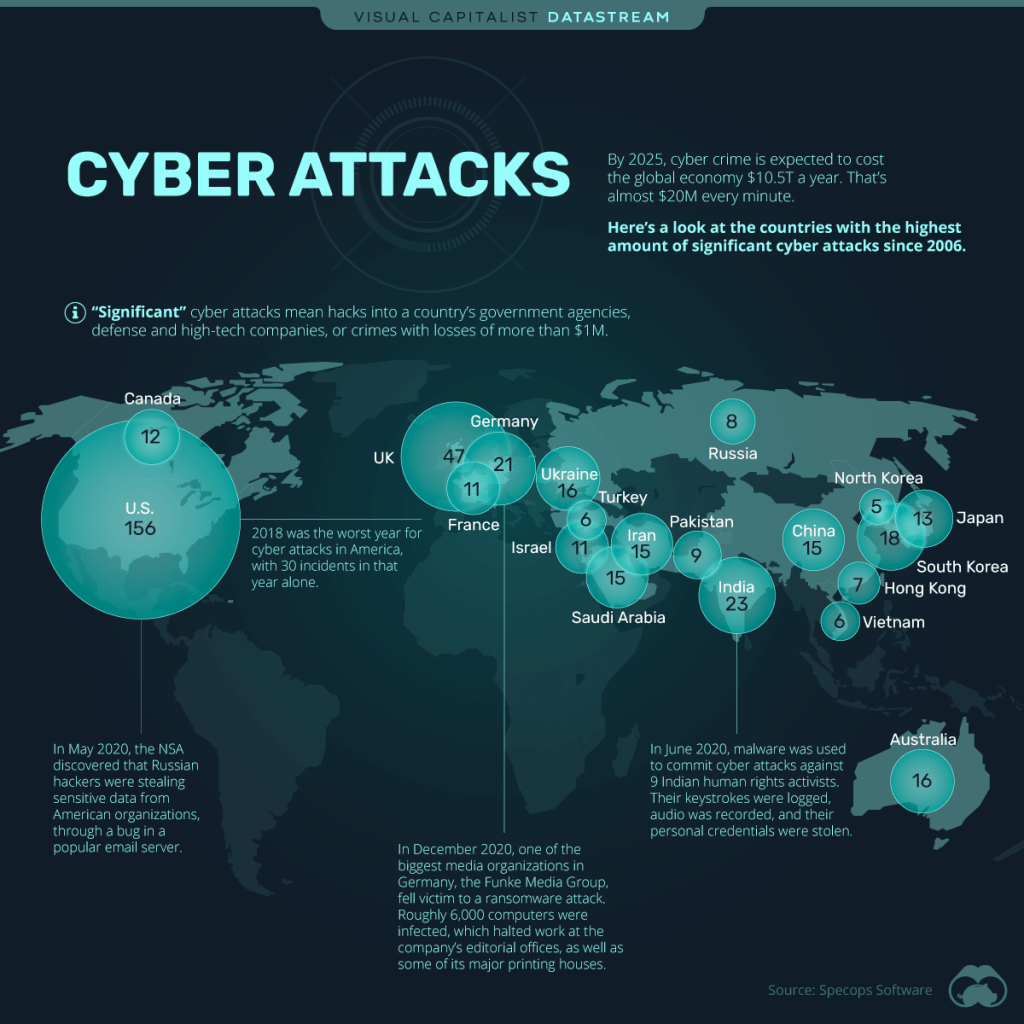
Understanding Cyberattacks
Definition
A cyberattack is a deliberate attempt to disrupt, damage, or gain unauthorized access to computer systems, networks, or devices. These attacks can take various forms, including malware, ransomware, phishing, and denial-of-service (DoS) attacks.
Types of Cyberattacks
- Malware Attacks: Malicious software designed to harm a computer system or network. Common types include viruses, worms, and Trojans.
- Ransomware Attacks: A type of malware that encrypts a victim’s files and demands a ransom for the decryption key.
- Phishing: Deceptive emails or messages that trick individuals into providing sensitive information such as passwords or credit card numbers.
- Denial-of-Service (DoS): Attacks designed to make a network or service unavailable by overwhelming it with traffic.
The Rise of Cyberattack Panic
The panic surrounding cyberattacks can be attributed to several factors:
Increased Media Coverage
With the rise of the internet and social media, news of cyberattacks spreads rapidly. High-profile incidents, such as the ransomware attack on Colonial Pipeline in 2021, have intensified public fear and concern.
High-Profile Targeting
Cybercriminals are increasingly targeting critical infrastructure, including healthcare, energy, and finance sectors. This trend raises concerns about national security and public safety.
Public Awareness
As individuals become more aware of the dangers of cyberattacks, fear and panic grow. Citizens understand that their personal information could be at risk, prompting anxiety over identity theft and financial loss.
Consequences of Global Cyberattack Panic
Economic Impact
Cyberattacks can have devastating economic consequences. Businesses may face operational disruptions, reputational damage, and costly recovery efforts. For instance, the estimated cost of the 2017 Equifax breach was over $4 billion.
Political Ramifications
Governments are compelled to enhance their cybersecurity measures and develop strategic responses to cyber threats. Increased spending on cybersecurity can ultimately lead to changes in policy and international relations.
Psychological Effects
The fear of cyberattacks has psychological repercussions, with individuals feeling vulnerable and anxious. This anxiety can affect mental health and lead to a distrust of technology.
Preventative Measures and Solutions
To combat the rising threat of cyberattacks and alleviate panic, several preventative measures can be implemented:
Strengthening Cybersecurity Protocols
- Regular Software Updates: Keeping systems up to date helps protect against known vulnerabilities.
- Employee Training: Organizations should invest in training to help employees recognize and respond to potential cyber threats.
- Data Encryption: Encrypting sensitive data can secure it even in the event of a breach.
Government Initiatives
Governments should take a proactive stance in fostering cybersecurity by:
- Collaboration with Private Sector: Encouraging partnerships between public and private sectors to share information and resources.
- Establishing Cybersecurity Frameworks: Developing national strategies that outline best practices and guidelines for cybersecurity.
Public Awareness Campaigns
Educating the general public about cybersecurity risks and best practices can help reduce panic and promote responsible digital behavior.
History of Major Global Cyberattacks
The history of cyberattacks reveals a troubling evolution in tactics, motivation, and impact. Here, we outline some of the most significant global cyberattacks that have shaped our understanding of cybersecurity.
1. The Morris Worm (1988)
One of the first notable cyberattacks, the Morris Worm, created by Robert Tappan Morris, infected approximately 10% of the computers connected to the Internet at the time. Its intention was to gauge the size of the internet, but a coding error caused it to replicate excessively, leading to system slowdowns and crashes.
2. The Love Bug Virus (2000)
This computer worm was spread via email with the subject line “I Love You.” It infected millions of computers globally, causing an estimated $10 billion in damages. The worm not only deleted files but also stole passwords and other confidential information.
3. Stuxnet (2010)
A sophisticated cyberattack, Stuxnet targeted Iran’s nuclear facilities, specifically the Natanz enrichment plant. Developed by the U.S. and Israel, it was designed to disrupt Iran’s nuclear program by causing centrifuges to spin out of control. This marked a significant shift, showcasing how cyberattacks could have physical repercussions.
4. Sony Pictures Hack (2014)
The hack of Sony Pictures involved a massive data breach that exposed confidential employee information, unreleased films, and private emails. The attack was attributed to North Korean hackers in response to the film “The Interview,” which satirized leader Kim Jong-un. This incident highlighted the intersection of cybersecurity and geopolitical tensions.
5. WannaCry Ransomware (2017)
The WannaCry ransomware attack affected hundreds of thousands of computers across 150 countries, exploiting a vulnerability in Windows operating systems. It encrypted data and demanded ransom payments in Bitcoin. The attack caused significant disruptions in healthcare, transportation, and businesses around the globe, showcasing the global scale of cyber threats.
6. Equifax Data Breach (2017)
In one of the most significant data breaches ever, hackers exploited a vulnerability in Equifax’s website, exposing the personal information of approximately 147 million people. The breach had far-reaching repercussions for credit reporting practices and led to increased scrutiny of data privacy and cybersecurity regulations.
7. SolarWinds Cyberattack (2020)
The SolarWinds attack is considered one of the most sophisticated cyberespionage campaigns. Hackers injected malicious code into the SolarWinds Orion software, affecting thousands of organizations, including U.S. government agencies and Fortune 500 companies. The attack highlighted the vulnerabilities within supply chain security and prompted widespread concern over national security.
8. Colonial Pipeline Ransomware Attack (2021)
In May 2021, the Colonial Pipeline, a major fuel pipeline in the U.S., was targeted by a ransomware attack that led to fuel shortages across the East Coast. The company paid a ransom of approximately $4.4 million to restore its operations. The attack exposed vulnerabilities in critical infrastructure and underscored the importance of robust cybersecurity measures.
From early viruses to sophisticated ransomware attacks, the landscape of global cyberattacks has continually evolved. Understanding the history of these incidents is vital for preparing and defending against future threats. As reliance on digital infrastructure increases, so too does the need for heightened cybersecurity awareness and practices.
Conclusion
The global cyberattack panic reflects a growing awareness of the vulnerabilities in our increasingly digital world. By understanding the nature of cyberattacks and implementing effective preventative measures, we can work together to mitigate the risks and foster a more secure digital environment. As the digital landscape continues to evolve, the importance of robust cybersecurity cannot be overstated.










 BoldVoices.in
Leave a comment