
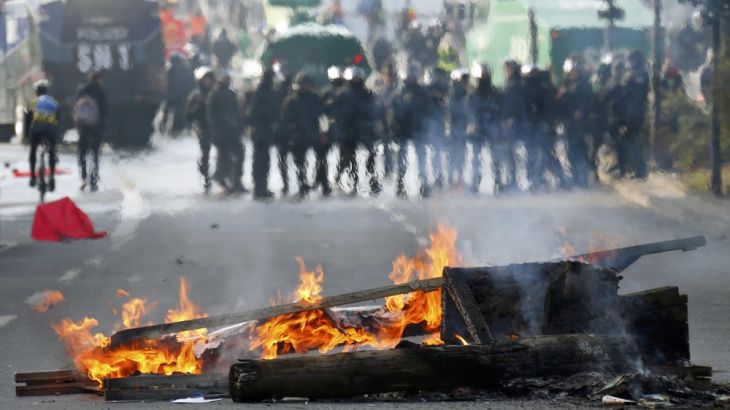
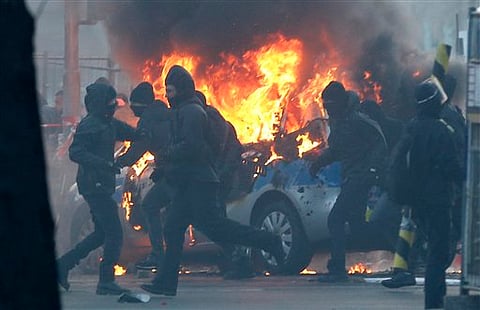
In the wake of economic pressures and stringent financial policies, Germany has seen a rise in what are referred to as “Austerity Riots.” These protests have been fueled by significant cuts to social programs, leaving many citizens feeling economically vulnerable and politically disenfranchised. This article delves into the causes, developments, and the conspiracy theories that surround the protests, providing a comprehensive understanding of this complex issue.
The Background of Austerity Measures
Austerity measures are often implemented by governments under financial duress, typically aimed at reducing budget deficits through spending cuts. Following the financial crisis of 2008, various European nations, including Germany, faced economic challenges that prompted the government to enforce austerity measures. In Germany’s case, the cuts primarily targeted social programs, including healthcare, education, and welfare benefits.
The rationale behind these measures is often presented as a necessity for stabilizing the economy. However, critics argue that such policies disproportionately impact the most vulnerable populations, further exacerbating social inequalities.
The Rise of Protests
As austerity measures took effect, public discontent began to grow. Protests erupted in various cities across Germany, led by individuals concerned about the erosion of social safety nets. These protests were not merely spontaneous; they represented a culmination of frustrated voices from a populace that felt unheard and marginalized.
Key Factors Contributing to the Protests:
- Economic Disparity: Many protestors highlighted the widening gap between the wealthy and the poor, which austerity measures have seemingly perpetuated.
- Cuts to Essential Services: The reduction in funding for vital services such as healthcare and education sparked outrage among citizens who relied on these services.
- Job Security Concerns: The fear of job losses and worsening working conditions added to the emotional weight of the protests, as many citizens felt their financial security was at stake.
- Political Alienation: A growing sentiment among the populace suggested that traditional political mechanisms were failing to represent their interests, prompting many to take to the streets in search of a louder voice.
The Role of Conspiracy Theories
Amidst the chaos of protests, conspiracy theories emerged, with many protestors blaming “EU technocrats” for the austerity measures. These theories posited that bureaucratic elites in the European Union were orchestrating policies that favored rich member states at the expense of struggling countries and their citizens.
Common Conspiracy Theories Include:
- Neoliberal Agenda: Some protestors believe that the EU’s true aim is to enforce a neoliberal agenda that prioritizes economic growth for the wealthy, neglecting social welfare.
- Loss of Sovereignty: There are fears that Germany was ceding too much control to EU officials, who were seen as disconnected from the real-life impacts of austerity policies on ordinary citizens.
- Hidden Influences: Conspiracy theories often suggest that influential business leaders and financial institutions manipulate EU policies to serve their own interests, to the detriment of the German working class.
- Media Complicity: Some protestors argue that mainstream media perpetuate a narrative supportive of austerity, dismissing public dissent and failing to investigate the true motivations behind the cuts.
The Impact of the Riots
The Austerity Riots have had significant repercussions not only for Germany’s internal politics but also for its relationship with the European Union. The protests have ignited debates over the legitimacy and efficacy of austerity policies, leading to calls for more equitable solutions that prioritize social welfare alongside economic stability.
Political Responses
In response to the unrest, various political factions have emerged. Some parties have advocated for a rollback of austerity measures, while others have used the unrest to push their own political agendas, whether pro- or anti-EU.
Social Change
The protests have also sparked a broader conversation about the role of citizens in democracy and the importance of political engagement. Many participants are now involved in grassroots movements, working to amplify voices that have been historically underrepresented in political discourse.
Conclusion
Germany’s Austerity Riots serve as a poignant illustration of the tensions that arise when economic policies collide with social needs. While these protests have often included elements of conspiracy theory, they also reflect deep-seated frustrations about inequality, unemployment, and the perceived detachment of political elites from the realities faced by ordinary citizens. Moving forward, the challenge for German society will be to reconcile these economic policies with the fundamental values of social equity and democratic engagement.









 BoldVoices.in
Leave a comment