
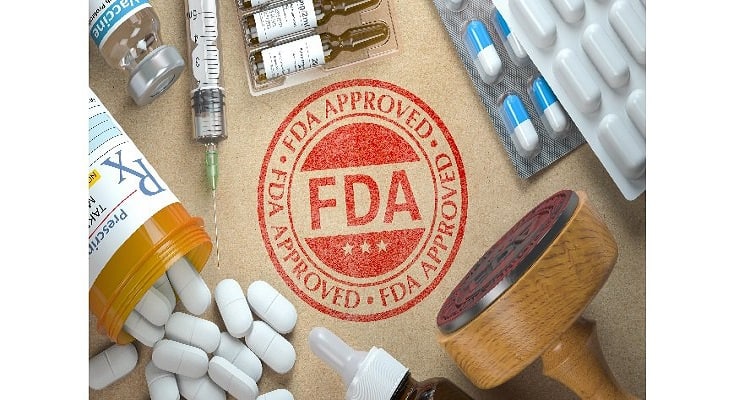
In a significant milestone for the pharmaceutical industry, the U.S. Food and Drug Administration (FDA) has granted approval for the first drug that has been discovered using artificial intelligence (AI). This groundbreaking achievement marks a turning point in drug development, showcasing the potential of AI to revolutionize the traditional methods of research and discovery.
Background
The process of drug discovery has traditionally been a lengthy and complex endeavor, often taking over a decade and costing billions of dollars. Researchers rely on extensive laboratory experiments and clinical trials to identify potential medications. However, recent advances in AI technology offer innovative solutions to streamline this process, enabling faster and more efficient drug discovery.
The AI-Discovered Drug
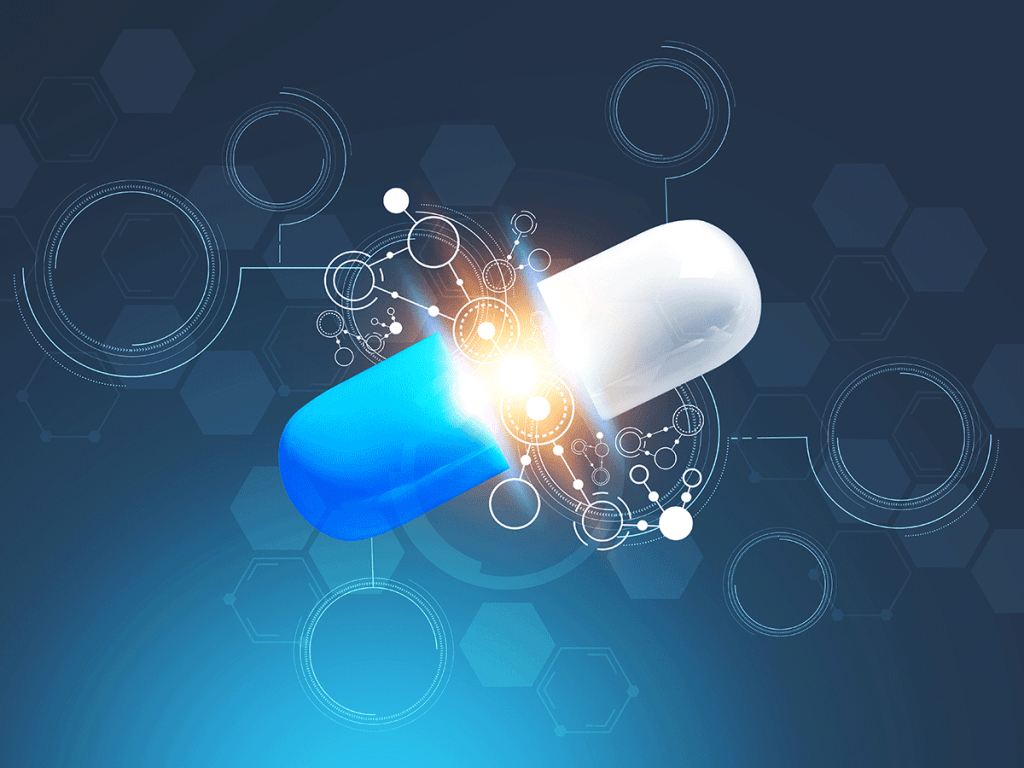
The AI-discovered drug, developed by a biotech company, utilizes sophisticated algorithms to analyze biological data and predict suitable compounds for treating specific health conditions. The AI system was trained on a vast dataset of chemical compounds, including their properties, interactions, and effects on various biological systems.
Mechanism of Action
Using machine learning techniques, the AI analyzed patterns and relationships within the data, identifying potential candidates for drug development. The model was able to prioritize candidates based on their predicted efficacy and safety profiles, significantly reducing the number of compounds that needed to be synthesized and tested in the lab.
Clinical Trials
After identifying a promising compound, the drug underwent preclinical testing followed by clinical trials. The trials confirmed the drug’s efficacy in treating the targeted condition and assessed its safety in human subjects. Throughout this process, AI played a crucial role in optimizing trial designs, analyzing results, and adjusting protocols to enhance the accuracy and reliability of the findings.
Impact on the Pharmaceutical Industry
The approval of the first AI-discovered drug is expected to have far-reaching implications for the pharmaceutical industry and healthcare as a whole. Some potential impacts include:
1. Accelerated Drug Discovery
AI’s ability to analyze vast amounts of data and identify promising candidates can significantly reduce the time required for drug discovery, potentially leading to faster treatments for patients.
2. Cost Savings
By streamlining the drug development process, AI can lower the costs associated with traditional research methods, making it more feasible for companies to invest in innovative therapies.
3. Increased Precision in Medicine
AI can help develop targeted therapies that are tailored to individual patients’ genetic profiles, potentially improving treatment outcomes and minimizing side effects.
4. Enhancing Collaboration
The collaboration between AI researchers and pharmaceutical scientists can foster a new wave of innovation, combining human expertise with computational power to tackle complex health challenges.
Future Prospects
The FDA’s approval of the first AI-discovered drug is just the beginning. As AI technologies continue to evolve, the potential applications in drug discovery are limitless. Future advancements may include the development of multi-modal AI systems that combine data from genomics, proteomics, and other biological fields to discover new therapies more efficiently.
Regulatory Considerations
As AI becomes more prevalent in drug discovery, regulatory agencies like the FDA will need to establish clear guidelines and standards for evaluating AI-driven therapies. Ensuring the safety and efficacy of these new treatments will be critical as AI systems grow more sophisticated.
Conclusion
The approval of the first AI-discovered drug by the FDA signifies a transformative shift in the pharmaceutical landscape. As companies explore the potential of AI in drug development, patients may benefit from faster and more effective treatments. This landmark achievement highlights the importance of embracing technological advancements to improve healthcare outcomes and enhance human wellbeing. The future of medicine is undoubtedly being redefined as AI continues to push the boundaries of what is possible in drug discovery.










 BoldVoices.in
Leave a comment