
In today’s interconnected world, economic events unfold with a speed and intensity that can leave entire nations reeling. From currency wars to international sanctions and fierce competition for vital resources, the repercussions of these financial battles are tangible, shaping the lives of everyday citizens in ways that are often alarming. This article delves into the mechanisms of these economic shockwaves and how they affect daily life.
Currency Wars: A Global Tug-of-War
Currency wars occur when countries engage in competitive devaluations of their currencies to gain an advantage in international trade. This strategy is often employed to make exports cheaper and imports more expensive, thus boosting domestic economies. However, the outcomes can be disastrous.
When one nation devalues its currency, neighboring countries may feel pressured to follow suit to maintain their competitiveness. This race to the bottom can lead to inflation, as the cost of imported goods rises, eroding purchasing power and leading to higher prices at the grocery store. For families on tight budgets, the impact of currency fluctuations can mean choosing between essential needs or luxury items.
The Impact of Sanctions
International sanctions are another method used to exert pressure on nations, often for political reasons. While governments may impose sanctions to curb undesirable behavior, the collateral damage frequently affects the civilian population.
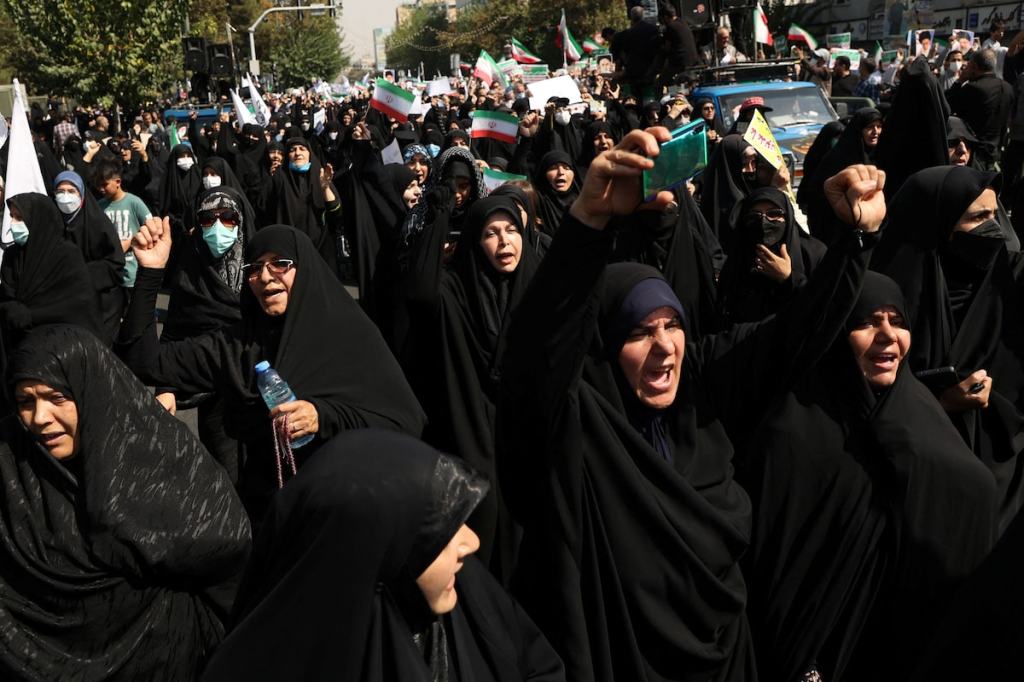
For instance, sanctions can lead to shortages of essential goods such as food and medicine. In countries like Venezuela and Iran, where sanctions have been imposed, citizens often find themselves standing in long lines for basic necessities, their day-to-day lives turned upside down by geopolitical conflicts. The economic strain forces families to make difficult choices, such as forgoing healthcare or delaying meals, highlighting the human cost of such policies.
Resource Battles: The Struggle for Essential Commodities
As the global population continues to rise, the demand for essential resources such as water, energy, and raw materials intensifies. Resource-rich countries often find themselves at the center of economic battles, with powerful nations vying for control of these commodities.
The competition for resources can lead to conflicts, both economic and territorial, that ripple outwards. For example, energy prices can skyrocket when conflicts arise in oil-rich areas. This directly impacts consumers through increased transportation and heating costs. Families may find their budgets stretched as they face rising utility bills and pump prices, leading to a decline in standards of living.
Everyday Implications and Responses
The interconnectivity of the global economy means that economic shockwaves do not respect borders. A currency devaluation in one nation can lead to inflation in another; sanctions imposed in response to political conflicts can create food shortages halfway across the world.
In response, individuals and families often seek ways to adapt to these financial pressures. Budgeting becomes more critical as people search for deals or alternative sources of income. Local economies may also shift, with consumers turning to community-supported agriculture or local producers to mitigate the effects of supply chain disruptions.
Conclusion
Economic shockwaves stemming from currency wars, sanctions, and resource battles significantly impact the everyday lives of individuals worldwide. As nations navigate these turbulent waters, the resilience of everyday people shines through. Awareness and adaptability remain crucial, as citizens strive to weather the storm of economic uncertainty brought on by global conflicts. The choices made today will shape the landscape of tomorrow, making it essential for individuals to become informed participants in the greater economic dialogue.









 BoldVoices.in
Leave a comment