
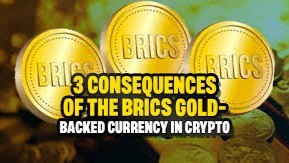
In an increasingly multipolar world, the BRICS nations—Brazil, Russia, India, China, and South Africa—are spearheading a financial revolution with the introduction of a gold-backed currency. This initiative marks a significant departure from traditional fiat currencies and aims to enhance economic cooperation among member states while potentially reshaping the global monetary landscape.

Background of BRICS
BRICS was established in 2009 as a response to the growing influence of emerging economies in the global arena. Initially coined as “BRIC,” South Africa joined the group in 2010, leading to the creation of the BRICS acronym. Together, these nations represent over 40% of the world’s population and approximately 25% of global GDP. As they continue to strengthen their collaboration, the push for a unified currency has gained momentum, fueled by common goals such as reducing dependence on Western financial systems and enhancing trade among member countries.
The Concept of a Gold-Backed Currency
A gold-backed currency is a currency that is directly tied to a specific amount of gold. This provides a level of stability and confidence, as the currency’s value is underpinned by a tangible asset. In contrast, most currencies today are fiat currencies, meaning they derive their value from government regulation or law rather than a physical commodity.
Advantages of a Gold-Backed Currency
- Stability and Trust: Gold has historically been viewed as a stable asset. A currency backed by gold could foster greater trust among users, potentially reducing inflationary pressures and exchange rate volatility.
- Reducing Dollar Dependence: With the U.S. dollar dominating global trade, the BRICS nations aim to diminish reliance on it. A gold-backed currency would facilitate trade and transactions independent of the dollar, promoting economic sovereignty.
- Enhanced Trade: Member countries could utilize this currency for bilateral and multilateral trade agreements, facilitating smoother transactions and reducing transfer costs associated with forex.
- Attracting Investment: A stable, gold-backed currency may attract investors who seek safety and reliability, increasing foreign direct investment in BRICS countries.
The Implementation Process
As of now, the BRICS nations are in the process of ironing out the specific details related to the implementation of this gold-backed currency. Key points under discussion include:
- Valuation and Reserves: Establishing a mechanism for how much gold each country must contribute and how the valuation of the gold will be determined.
- Regulatory Framework: Creating a unified regulatory approach to govern the use and exchange of this new currency.
- Technological Infrastructure: Developing the necessary technology and digital platforms for transaction processing, which could include blockchain technology for enhanced security and transparency.
Potential Challenges
While the initiative has merits, several challenges can hinder its successful implementation:
- Political Differences among BRICS Nations: Each member nation has distinct political systems and economic agendas. Harmonizing these differences into a cohesive strategy for currency use may prove difficult.
- Global Skepticism: Established financial institutions may view this move with skepticism, potentially leading to resistance or sanctions against the use of a BRICS gold-backed currency.
- Technological and Security Risks: As with any digital currency, security concerns, such as hacks and fraud, pose significant risks that must be adequately addressed.
- Gold Market Fluctuations: The price of gold can be volatile, which could affect the stability of the currency. Proper mechanisms must be in place to mitigate these risks.
Future Prospects
The introduction of a BRICS gold-backed currency presents both opportunities and challenges in the global economic landscape. As geopolitical dynamics continue to evolve, BRICS nations will need to navigate these complexities effectively. If successful, the currency could pave the way for a more diversified, stable, and independent global financial system.
The BRICS gold-backed currency initiative could potentially shift the balance of power in global finance, inviting other emerging economies to join a trend aimed at reducing the hegemony of traditional Western-led institutions. As discussions continue, the world watches closely to see if this ambitious proposal will come to fruition, marking a new chapter in international trade and diplomatic relations.









 BoldVoices.in
Leave a comment