
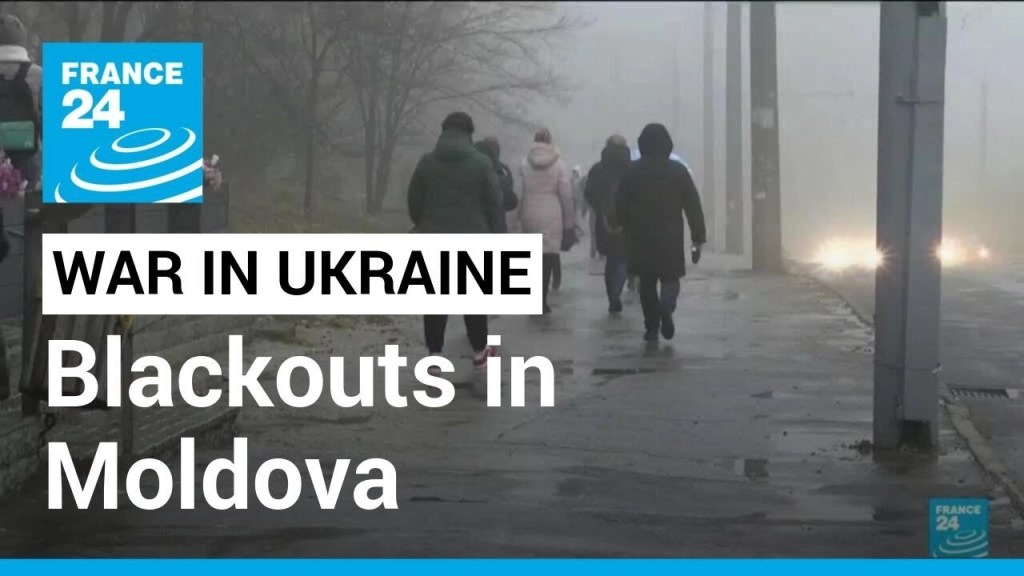
In recent months, Moldova has found itself at the forefront of a new type of cyber conflict, as pro-Russia hackers have increasingly launched coordinated attacks aimed at disrupting vital infrastructure. As Moldova approaches a critical EU membership referendum, these cyber offensives have taken the form of “blackout warfare,” plunging cities into darkness and creating chaos in an already tense political environment.
The Context of Cyber Warfare in Moldova
Moldova, a small Eastern European country with a complex geopolitical position, has long been caught between the influence of Russia and the Western European nations. Following the 2021 elections, which favored pro-European candidates, the tensions have escalated. The growing prospect of EU membership has alarmed Moscow, which perceives this shift as a direct threat to its sphere of influence in the region.
As tensions rise, cyber warfare has emerged as a key tactic employed by Russia and its allies to destabilize pro-Western governments and sow discord. This form of warfare is often stealthy and deniable, making it difficult to attribute attacks to specific actors while creating real-world consequences.
The Mechanics of Blackout Warfare
Blackout warfare involves cyberattacks aimed at crippling a nation’s electrical grid and essential services. In Moldova, several cities have experienced power outages attributed to sophisticated hacking groups that often operate in alignment with Russian interests.
Attack Methodologies
- Phishing and Social Engineering: Attackers often employ phishing techniques to gain access to crucial systems within the energy infrastructure. By targeting employees of energy companies or governmental agencies, hackers can install malware designed to disrupt operations.
- Malware Deployment: Once access is obtained, hackers utilize malware that specifically targets control systems, often found in power plants and grid management offices. These tools can manipulate equipment, causing blackouts and system failures.
- Distributed Denial of Service (DDoS) Attacks: Overloading systems with false traffic can render them inoperable. During crucial moments, such as the lead-up to a referendum, these attacks can be particularly effective in causing chaos and distracting authorities from the political process.
Targeted Infrastructure
Key targets have included:
- Power Plants: Facilities that generate electricity have been compromised, leading to widespread outages across multiple municipalities.
- Energy Management Systems: These systems, crucial for the stability of the grid, have been affected, making it hard to predict and react to power demands.
- Emergency Services: Disruption of communication lines has hindered emergency services’ abilities to respond effectively to crises created by the blackouts.
The Political Impact
With the approaching EU membership referendum, the timing of these cyberattacks raises questions about their intent. The blackouts not only create logistical challenges for the government but also erode public confidence in its ability to maintain control over essential services.
Public Sentiment
Many Moldovans are concerned about the reliability of their government in the face of such nefarious tactics. For some, these attacks serve as a rallying cry to support EU integration, as they perceive the EU as a more stable and secure alternative to Russian influence.
International Response
The international community, especially European nations, has condemned the cyberattacks. In response, Moldova has sought assistance from the EU and NATO in bolstering its cyber defense capabilities. Efforts include:
- Enhanced Cybersecurity Training: Moldovan officials are undergoing training to better identify and mitigate cyber threats.
- Collaboration with International Cybersecurity Agencies: Moldova is starting to collaborate on intelligence-sharing initiatives with EU partners to strengthen its defenses against future attacks.
Conclusion
As Moldova navigates a critical juncture in its history, the specter of blackout warfare looms larger than ever. The coordinated assaults by pro-Russia hackers represent a new front in the battle for influence in Eastern Europe. With the referendum on EU membership approaching, both the government and its citizens must remain vigilant against these dangerous tactics. How Moldova responds to this challenge may well determine its trajectory as it seeks closer ties with the West amidst rising geopolitical tensions.
The outcome of the referendum could reshape the region, but it will be essential for Moldova to secure its infrastructure against cyber warfare threats to ensure a fair and uninterrupted electoral process.









 BoldVoices.in
Leave a comment