
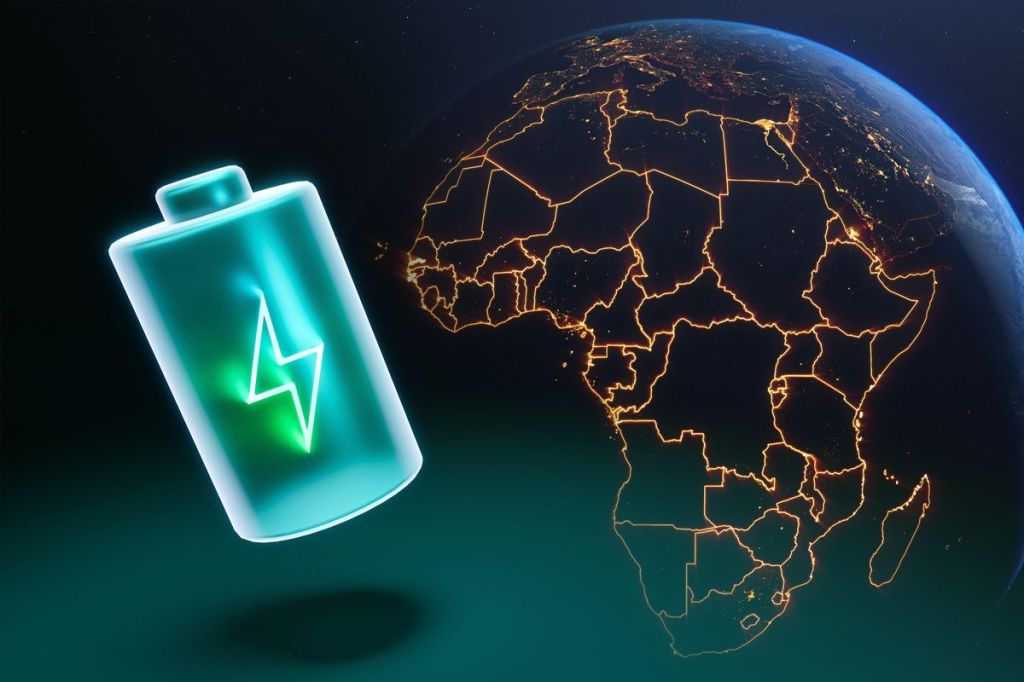
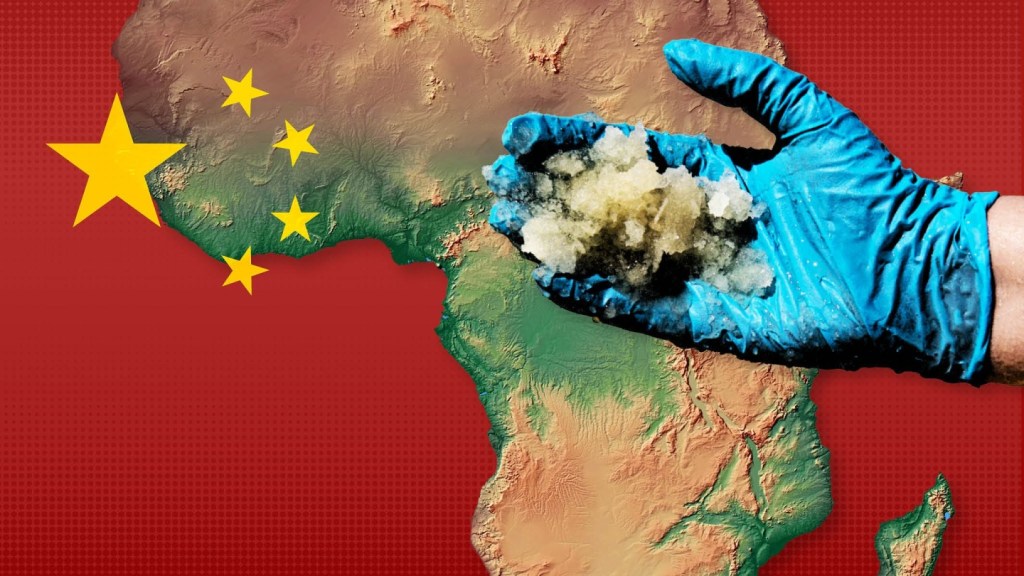
The rush for lithium, a fundamental component in electric vehicle (EV) batteries, has intensified geopolitical tensions, particularly in Africa. Countries like Niger, rich in this critical mineral, find themselves at the epicenter of a power struggle between major global players, notably France and China.
The Geopolitical Landscape
Niger boasts significant lithium reserves, making it a focal point for countries investing heavily in renewable technologies. The demand for lithium, driven by the global shift towards electric vehicles, battery storage solutions, and renewable energy sources, has prompted both France and China to intensify their operations and influence in the region.
France’s Historical Presence
France has maintained a long-standing historical influence in West Africa, often referred to as the “Françafrique.” This relationship includes economic ties, military partnerships, and resource extraction agreements. The loss of control or influence in Niger would mark a significant geopolitical setback for France, especially with the country’s increasing reliance on African resources to fuel its energy transition.
China’s Involvement
China, on the other hand, has rapidly expanded its footprint in Africa over the last two decades. Through its Belt and Road Initiative, China has invested heavily in infrastructure and resource extraction, positioning itself as a dominant force in the region. The Chinese government and private companies are striving to secure lithium supplies for their booming EV market and technological industries.
The Recent Coup in Niger
The recent coup in Niger has further complicated the situation. With a change in government, the existing contracts with foreign miners are under scrutiny, and nationalist sentiments may lead to renegotiations or expulsion of foreign companies. This power vacuum presents both opportunities and challenges for foreign powers vying for control.
Implications for the EV Industry
As companies race to establish secure supply chains, the ongoing conflict between France and China over Niger’s lithium resources could lead to significant fluctuations in the global market. The ramifications extend beyond the borders of Niger, potentially impacting the pricing and availability of lithium worldwide.
The struggle for control over critical EV battery minerals in Africa symbolizes the larger battle for energy dominance in the 21st century. As nations strategize to secure resources, the interplay of local politics, foreign interests, and global demands will shape the future of electric vehicles and renewable energy solutions. The ongoing developments in Niger will be crucial in determining the balance of power in this high-stakes arena.
The relentless pursuit of lithium in Africa underscores the intricate interplay between global economic needs and local political dynamics. As nations grapple with the transition to greener technologies, the significance of lithium cannot be understated. Here’s an expanded exploration of the subject.
The Global Lithium Market
The global push for electric vehicles (EVs) is rapidly transforming the lithium market. Analysts predict that lithium demand will skyrocket in the next decade as car manufacturers transition to fully electric fleets. This surge creates both opportunities and challenges, particularly in nations like Niger, which are rich in lithium deposits.
Key Players and Their Strategies
- France: With its historic ties to West Africa, France seeks to maintain its influence by securing mining rights and investing in local infrastructure. French firms are prioritizing partnerships with local governments to ensure a steady supply of lithium while advancing their geopolitical interests.
- China: As the world’s largest consumer of lithium, China utilizes aggressive investment strategies to secure vital resources. By fostering relationships with African nations through grants and infrastructure projects, China positions itself as a indispensable partner in the African energy landscape.
Socio-Economic Impacts
The influx of foreign investment to tap into Niger’s lithium reserves can bring about significant socio-economic changes. While infrastructure development projects may lead to job creation and economic growth, they also raise concerns about environmental degradation and local community displacement.
Local Responses and Nationalism
Local populations are increasingly becoming aware of the implications of foreign exploitation of their resources. Nationalist sentiments leading to calls for re-negotiations of contracts reflect a growing desire for greater local control and benefits from the mining industry.
Environmental Concerns
The environmental impact of lithium mining is a pressing issue that cannot be overlooked. The extraction process can lead to water depletion, pollution, and disruption of local ecosystems. Striking a balance between resource extraction and environmental sustainability is becoming a crucial dialogue within both local communities and among international stakeholders.
Future Outlook
As geopolitical tensions evolve, the future of lithium mining in Niger will likely be influenced by several factors:
- Regulatory Changes: The new government may implement reforms that could alter the landscape of foreign investment and extraction practices, impacting both local communities and international players.
- Technological Innovation: Advances in lithium extraction and recycling technologies could ease some environmental concerns and shift the focus towards sustainable practices within the industry.
- International Collaboration: Countries may find it advantageous to collaborate rather than compete for resources, leading to innovative partnerships that prioritize both energy needs and ethical considerations.
Conclusion
As the global demand for lithium continues to rise, the intricate dynamics between geopolitics, local governance, and environmental sustainability will shape the future of lithium mining in Africa. The developments in Niger will not only influence regional power structures but also have global repercussions, underpinning the significance of this critical mineral in the 21st-century energy landscape.









 BoldVoices.in
Leave a comment