
The Board of Control for Cricket in India (BCCI) is the national governing body for cricket in India. Established in 1928, it plays a significant role in organizing and promoting cricket at various levels, in addition to representing Indian cricket on an international stage. Below is a detailed exploration of its structure, functions, and impact on the sport.

History
BCCI was formed in 1928 when the need for a governing body for cricket in India became evident, particularly with the rise of the British Raj and the establishment of various cricket clubs across the region. The first ever president of BCCI was Maharaja of Patiala, and since then, the board has evolved significantly.
Structure
The BCCI is managed by a president, secretary, and treasurer, along with a committee of members representing different state associations. The structure includes several key committees such as:
- Selection Committee: Responsible for choosing players for the national team.
- Technical Committee: Oversees cricketing regulations and the law of the game.
- Disciplinary Committee: Handles misconduct and disciplinary issues.
Functions
- Organizing Competitions: BCCI organizes various domestic tournaments, including:
- Ranji Trophy
- Vijay Hazare Trophy
- Syed Mushtaq Ali Trophy
- Indian Premier League (IPL)
- International Representation: The BCCI represents India in major international cricket events, including ICC events and bilateral series.
- Promotion of Cricket: BCCI is responsible for promoting cricket at grassroots levels through schools and local clubs to discover and nurture talent.
- Revenue Generation: Through media rights, sponsorship, and ticket sales, BCCI is one of the wealthiest sports boards in the world, generating substantial revenue.
- Player Welfare and Development: The board implements various initiatives focusing on player development, welfare, and creating an athlete-friendly environment.
Impact on Indian Cricket
The establishment of the IPL in 2008 revolutionized the game in India, introducing T20 format cricket with a mix of entertainment and sportsmanship. The concept of franchise-based teams brought in significant investment and has had a cascading effect on the cricketing ecosystem, which has also helped cultivate talent from various backgrounds.
Top Indian Cricket Players
India has produced numerous legendary cricketers who have left an indelible mark on the sport. Here’s a look at some of the top Indian cricket players, known for their exceptional skill, achievements, and contributions to the game.
1. Sachin Tendulkar
- Position: Batsman
- Career Span: 1989 – 2013
- Highlights:
- Holds the record for the most runs in international cricket.
- First player to score 100 international centuries.
- Played a pivotal role in India’s 2011 ICC Cricket World Cup victory.
2. Kapil Dev
- Position: All-rounder
- Career Span: 1978 – 1994
- Highlights:
- Captain of the Indian team that won the 1983 Cricket World Cup.
- Known for his fast bowling and explosive batting.
- One of the finest all-rounders in cricket history.
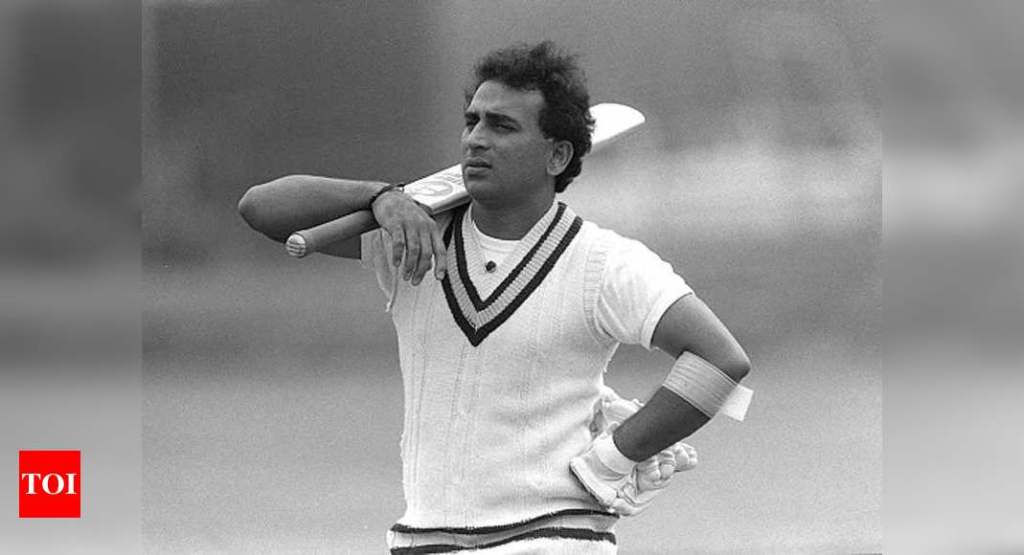
3. Sunil Gavaskar
- Position: Batsman
- Career Span: 1971 – 1987
- Highlights:
- First batsman to score 10,000 runs in Test cricket.
- Renowned for his technique and temperament against fast bowling.
- Played a crucial role in the early years of Indian cricket’s success.
4. Rahul Dravid
- Position: Batsman
- Career Span: 1996 – 2012
- Highlights:
- Known as “The Wall” for his solid technique and defense.
- Scored over 13,000 runs in both Test and ODI formats.
- Renowned for his ability to anchor innings and play under pressure.
5. M.S. Dhoni
- Position: Wicketkeeper-Batsman
- Career Span: 2004 – 2019
- Highlights:
- Captained India to victory in the 2007 ICC T20 World Cup and 2011 ICC Cricket World Cup.
- Known for his calm demeanor and excellent tactical acumen.
- Holds the record for the most successful captain in limited-overs cricket.
6. Virat Kohli
- Position: Batsman
- Career Span: 2008 – Present
- Highlights:
- Known for his aggressive batting style and consistency.
- Fastest player to score 8,000, 9,000, 10,000, and 11,000 runs in ODIs.
- Captained India across all formats and led the team to numerous victories.
7. Sourav Ganguly
- Position: Batsman
- Career Span: 1992 – 2008
- Highlights:
- Played a crucial role in transforming the Indian cricket team in the early 2000s.
- Known for his aggressive captaincy and strong batting.
- Instrumental in nurturing young talent during his captaincy.
8. Anil Kumble
- Position: Bowler
- Career Span: 1990 – 2008
- Highlights:
- India’s highest wicket-taker in Test cricket.
- Achieved the remarkable feat of taking all 10 wickets in a Test innings against Pakistan.
- Served as captain of the Indian team and later as coach.
These players, along with many others, have not only represented India on the global stage but have also inspired generations with their outstanding performances and commitment to cricket. Their contributions to the game have solidified India’s place as a cricketing powerhouse.
Achievements of BCCI
The Board of Control for Cricket in India (BCCI) has made substantial contributions to cricket, both within India and on the global stage. Below are some notable achievements:
1. Successful IPL Launch
- The Indian Premier League (IPL) was launched in 2008 and has become one of the most popular and commercially successful T20 leagues in the world. It revolutionized cricket in India, merging entertainment with sporting excellence.
2. World Cup Victories
- The BCCI has been instrumental in leading the Indian national team to major World Cup victories:
- 1983 Cricket World Cup: India, under Kapil Dev’s captaincy, won its first World Cup.
- 2007 ICC T20 World Cup: The inaugural T20 World Cup victory under M.S. Dhoni’s leadership.
- 2011 Cricket World Cup: India won its second World Cup, again with Dhoni as captain.
3. Successful Hosting of International Events
- BCCI has successfully hosted numerous international tournaments, including:
- The 2008 ICC T20 World Cup.
- The 2011 ICC Cricket World Cup alongside Sri Lanka and Bangladesh.
- The 2013 ICC Champions Trophy.
4. Development of Women’s Cricket
- BCCI has made significant strides in promoting women’s cricket, establishing domestic leagues, and ensuring better funding and support for women’s teams, leading to improved performances on the international stage.
5. Financial Strength
- BCCI is one of the wealthiest sports boards globally, generating substantial revenues through media rights, sponsorships, and various cricketing initiatives. Its financial health allows for significant investments in the development of cricket.
6. Grassroots Development Programs
- The BCCI has initiated various programs aimed at nurturing young talent, including the establishment of cricket academies and grassroots cricket tournaments that identify and develop future stars.
7. Technological Advancements
- BCCI has embraced technology in cricket, utilizing data analytics, video referrals (DRS), and advancements in training techniques to improve performance and spectator experience.
8. Promotion of Cricketing Culture
- Through various initiatives, BCCI has worked to foster a cricketing culture in India, inspiring millions to take up the sport and creating a passionate fan base that supports both domestic and international cricket.
The achievements of BCCI reflect its commitment to cricket development, excellence, and its pivotal role in representing Indian cricket on the international stage. The board continues to evolve, maintaining its status as a leading authority in the global cricketing landscape.
Social Service by BCCI
The Board of Control for Cricket in India (BCCI) plays a significant role beyond just governing cricket; it is also actively involved in various social service initiatives aimed at contributing to society. Here are some key areas of focus for BCCI’s social responsibility:
1. Promotion of Education
BCCI supports initiatives aimed at promoting education among underprivileged communities. It collaborates with non-profit organizations to provide scholarships, books, and educational materials to deserving students, ensuring that education is accessible to all.
2. Health and Wellness Programs
The board has undertaken health initiatives, including:
- Organizing health check-up camps.
- Conducting awareness campaigns related to hygiene, nutrition, and fitness.
- Partnering with health organizations to improve healthcare access in rural areas.
3. Women Empowerment
BCCI has made strides in women’s cricket, not just in the sport but also in empowering women in society. Their initiatives include:
- Promoting women’s cricket at grassroots levels.
- Supporting women’s health and education programs.
- Encouraging female participation in sports as a means of empowerment.
4. Disaster Relief Efforts
In times of natural disasters, BCCI has been proactive in providing support through financial aid and resources to affected families. The board has organized fundraisers and relief campaigns, showcasing cricket’s role in uniting people for a common cause.
5. Environmental Initiatives
BCCI recognizes the importance of sustainability and green practices. Initiatives include:
- Conducting eco-friendly campaigns during matches to promote environmental awareness.
- Supporting tree-plantation drives and advocating for sustainable practices within the sport.
6. Cricket Development Programs
To nurture young talent, BCCI has established programs in rural and urban areas focusing on:
- Providing coaching, infrastructure, and equipment to aspiring cricketers.
- Organizing tournaments to give local talent a platform to showcase their skills.
BCCI’s commitment to social service reflects its understanding of the influence cricket holds in Indian society. By leveraging its resources and stature, BCCI aims to create a positive impact, contributing to education, health, women’s empowerment, and various community development initiatives. The board continues to explore ways to further its social responsibility, ensuring that cricket serves as a powerful tool for societal change.
Controversies
The BCCI has faced its fair share of controversies, including issues related to governance, transparency, and corruption. The IPL spot-fixing scandal in 2013 brought significant scrutiny to the board, leading to reforms and changes in regulations.
Future Endeavors
The BCCI continues to evolve, exploring avenues to enhance the sport’s reach and appeal, including women’s cricket, emerging technologies in the game, and further democratizing access to cricket through various grassroots initiatives.
Conclusion
The Board of Control for Cricket in India is not just a governing body; it represents a cricketing culture and passion that resonates with millions. From organizing tournaments to fostering new talent, BCCI’s impact on both Indian and global cricket is profound and continues to grow in significance. As the game evolves, so too will the BCCI, in its quest to uphold the spirit of cricket in India.
Here are some relevant hashtags you can use:
#BCCI #CricketInIndia #IndianCricket #IPL #CricketHistory #CricketLegends #SachinTendulkar #MSDhoni #WomenInCricket #GrassrootsCricket #CricketCulture #BCCIInitiatives #CricketDevelopment #SportingExcellence #CricketCommunity #CricketPassion #IndianSports #CricketAchievements








 BoldVoices.in
Leave a comment