
Introduction
The English Premier League (EPL) is one of the most popular and competitive football leagues in the world. Founded in 1992, it has since established itself as the pinnacle of English football, attracting top talent, significant investment, and a massive global audience. This article delves into the history, structure, significance, and key features of the EPL.
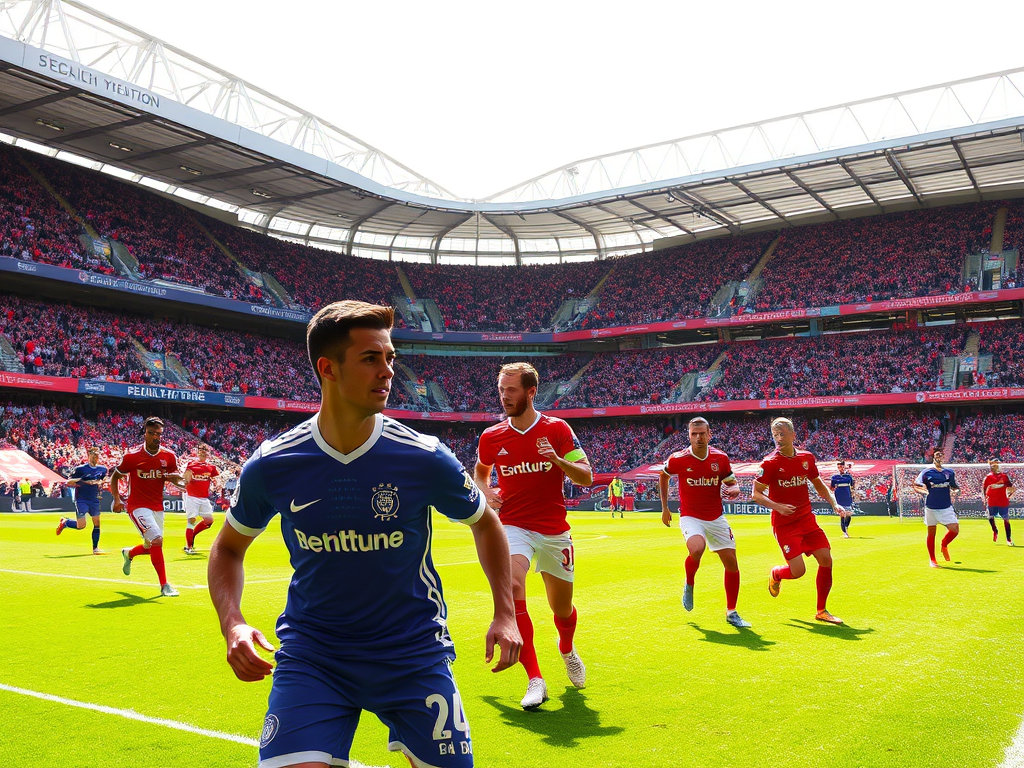

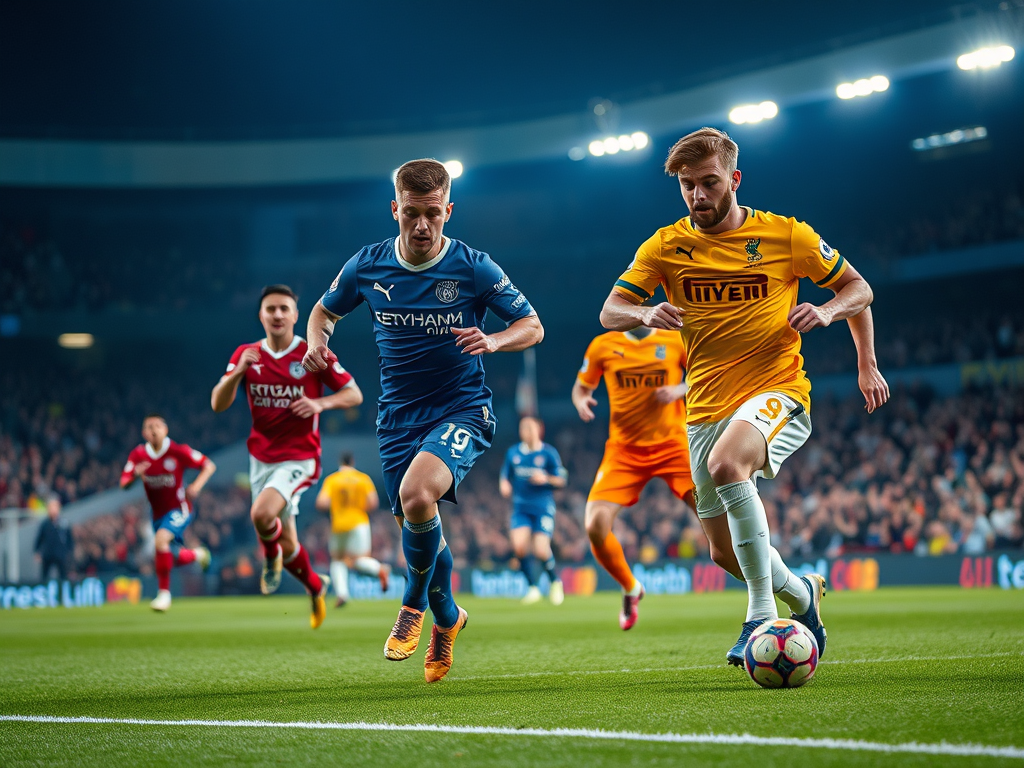
History of the Premier League
The Premier League was formed on February 20, 1992, when 22 clubs broke away from the Football League First Division. The motive behind this separation was to maximize financial returns from television rights and sponsorships. Since its inception, the EPL has grown immensely in both popularity and profitability.
Early Years (1992-2000)
In its inaugural season (1992-93), the Premier League featured iconic clubs such as Manchester United, Liverpool, and Arsenal. Manchester United, under Sir Alex Ferguson, dominated this early period, winning the league title in 13 out of 21 seasons from 1992 to 2013.
The Rise of Global Appeal (2000-Present)
The Premier League’s international appeal soared in the 2000s and 2010s, propelled by lucrative television deals. Clubs began attracting international stars, making the EPL a melting pot of talent. The league’s competitiveness heightened, with various clubs like Chelsea, Manchester City, and Leicester City claiming the title over the years.
Structure of the Premier League
The EPL operates on a system of promotion and relegation with the English Football League (EFL) Championship. Here’s a breakdown of its structure:
Teams
The league currently consists of 20 clubs. Each team plays 38 matches — 19 home and 19 away. Points are awarded based on match outcomes: 3 points for a win, 1 point for a draw, and no points for a loss.
Scoring and Standings
At the season’s end, the three lowest-placed teams are relegated to the EFL Championship, while the top three teams from the Championship are promoted to the Premier League. The title is awarded to the team with the highest points at the end of the season, while additional qualifications for European competitions are granted based on standings.
Significance of the Premier League
The EPL is more than just a football league; it plays a crucial role in the cultural and economic fabric of England and beyond.
Top Players in the English Premier League
The English Premier League (EPL) has seen numerous exceptional talents grace its pitches since its formation. Here’s a look at some of the top players who have made significant impacts in the league:
Current Stars
- Mohamed Salah (Liverpool)
Renowned for his incredible pace, dribbling ability, and goal-scoring prowess, Salah has been a key player for Liverpool since his arrival. His contributions have helped the club secure numerous victories, including a Premier League title. - Kevin De Bruyne (Manchester City)
The Belgian midfielder is celebrated for his vision, passing accuracy, and playmaking skills. De Bruyne has been instrumental in Manchester City’s success, often leading in assists and helping the team dominate in various competitions. - Harry Kane (Tottenham Hotspur)
An elite striker known for his finishing ability and football intelligence, Kane has consistently been one of the league’s top scorers. His leadership on the pitch and ability to create opportunities makes him a crucial player for Tottenham. - Bruno Fernandes (Manchester United)
The Portuguese playmaker has transformed Manchester United’s midfield with his creative flair and scoring ability. Since joining the club, he has been a key figure in reviving their competitive edge.
Legends of the Past
- Thierry Henry (Arsenal)
Considered one of the best strikers in Premier League history, Henry’s combination of speed, skill, and finishing ability helped Arsenal achieve legendary status during his time, including their Invincibles season. - Cristiano Ronaldo (Manchester United)
A pivotal figure in Manchester United’s success in the mid-2000s, Ronaldo’s talent and determination set new standards for football excellence. His impact on the league is undeniable, being a top scorer and winning numerous accolades. - Alan Shearer (Blackburn Rovers, Newcastle United)
The Premier League’s all-time leading goal scorer, Shearer was known for his remarkable finishing and physicality as a striker. His legacy as a goal-scoring machine remains unmatched. - Frank Lampard (Chelsea)
Renowned for his goal-scoring from midfield, Lampard was a vital player for Chelsea, helping the club to multiple Premier League titles and becoming the team’s all-time leading scorer. - Steven Gerrard (Liverpool)
A true legend for Liverpool, Gerrard’s leadership, vision, and ability to deliver in crucial moments made him one of the most respected players in EPL history.
Conclusion
The English Premier League’s top players are not just among the best in England but are recognized globally for their unique skills and contributions to the sport. From current superstars to legendary figures, their impact on the league has shaped its history and continues to inspire future generations of footballers.
Controversies of the English Premier League
Despite its status as one of the most prestigious football leagues in the world, the English Premier League (EPL) has faced several controversies that have sparked debates among fans, players, and experts alike. Here are some notable controversies that have shaped the league:
VAR Implementation
The introduction of Video Assistant Referee (VAR) technology in the Premier League has been met with mixed reactions. While intended to reduce officiating errors, its implementation has led to numerous contentious decisions, frustrating players and fans. Critics argue that VAR disrupts the flow of the game and has not significantly improved match officiating.
Financial Fair Play and Club Spending
Concerns over financial fair play regulations have surfaced, particularly regarding clubs like Manchester City and Chelsea, which have faced scrutiny for their significant spending. Critics claim that the wealth disparity among clubs undermines the competitive balance of the league, leading to dominance by a select few teams.
Refereeing Decisions
Contentious referee decisions have often stirred controversy and debate during matches. High-profile incidents, such as questionable penalty calls or handball decisions, have led to calls for improved officiating standards. Rival clubs and their supporters have frequently expressed dissatisfaction with perceived biases in referee decisions.
Owner and Managerial Decisions
Some club ownerships have drawn criticism for their management styles and decisions. For example, the controversial ownership of Newcastle United by a state-backed consortium raised ethical questions around human rights. Similarly, abrupt managerial sackings, such as those involving José Mourinho and Frank Lampard, sparked debates around stability and respect within the club.
Super League Proposal
In April 2021, the proposed European Super League created a massive uproar. Several prominent clubs, including Manchester United and Liverpool, were among the founding members. The backlash from fans, football authorities, and players led to the swift collapse of the project, highlighting the strong attachment and loyalty fans have to traditional league structures.
Racism and Discrimination
The Premier League has faced scrutiny over issues of racism and discrimination within the sport. Incidents involving players suffering from racial abuse on and off the pitch have led to calls for stricter measures against racism. The league’s initiatives to promote inclusivity and diversity are ongoing, but challenges remain.
Conclusion
While the English Premier League is celebrated for its thrilling matches and world-class talent, it is not without its controversies. These issues continue to shape discussions about the league’s future, prompting ongoing dialogue concerning fairness, governance, and the overall integrity of the game. The EPL’s ability to address these controversies will be crucial in preserving its esteemed status in the world of football.
Financial Impact
The Premier League generates billions in revenue, primarily from television rights. Broadcast deals with networks like Sky Sports and BT Sport contribute significantly to the clubs’ financial capabilities, allowing them to invest in high-quality players and facilities.
Cultural Influence
The EPL has a profound influence on global football culture. Matches are watched by millions worldwide, and the league’s stars are household names. This widespread popularity has fostered a fan culture that transcends borders, connecting fans from diverse backgrounds.
Iconic Clubs and Players
The EPL has been home to numerous legendary clubs and players, each contributing to its rich history.
Notable Clubs
- Manchester United: Record holders for most titles.
- Liverpool: Known for their passionate fan base and rich history.
- Arsenal: Famous for their ‘Invincibles’ season in 2003-04.
- Chelsea: Gained prominence in the 2000s under Roman Abramovich’s ownership.
- Manchester City: Emerged as a dominant force in recent years, particularly under Pep Guardiola.
Legendary Players
Some of the greatest footballers have graced the Premier League:
- Thierry Henry (Arsenal)
- Cristiano Ronaldo (Manchester United)
- Alan Shearer (Blackburn Rovers, Newcastle United)
- Frank Lampard (Chelsea)
- Steven Gerrard (Liverpool)
Conclusion
The English Premier League stands as a testament to the global appeal of football. Its unique blend of competition, drama, and cultural significance continues to captivate fans worldwide. As the league evolves, it remains committed to excellence on and off the field, solidifying its status as one of the premier sporting competitions globally.









 BoldVoices.in
Leave a comment