
Golf is a sport steeped in tradition, elegance, and strategic play. This article aims to provide a detailed overview of golf, covering its history, equipment, rules, techniques, and the mental aspect of the game.

History of Golf
Origins
The origins of golf can be traced back to the 15th century in Scotland, where it was played on the links of Edinburgh. The game evolved from earlier stick-and-ball games that were played in Europe. The first recorded rules of golf were established in 1744 by the Edinburgh Golf Club.
Evolution
Golf gained popularity throughout the 19th century, with the establishment of various clubs and the creation of more standardized rules. The first official tournament, the Open Championship, was held in 1860 at Prestwick Golf Club in Scotland. As the 20th century progressed, golf began to thrive globally, leading to the formation of professional tours and major championships.
Golf Tournaments
Golf tournaments are a vital aspect of the sport, providing competitive platforms for amateurs and professionals alike to showcase their skills. These events can vary widely in format, prestige, and participation levels, attracting players from around the globe.
Major Championships
The four major championships represent the pinnacle of professional golf. They are:
- The Masters: Held annually in early April at Augusta National Golf Club in Georgia, it is known for its iconic green jacket awarded to the champion.
- U.S. Open: Typically conducted in June, this tournament is organized by the United States Golf Association (USGA). It features challenging courses and attracts the best talent in golf.
- The Open Championship: Also known as the British Open, this is the oldest golf tournament in the world, first played in 1860. It takes place every July at various links courses in the United Kingdom.
- PGA Championship: Organized by the Professional Golfers’ Association of America, this tournament is held in May and is known for its diverse courses and competitive field.
Other Notable Tournaments
In addition to the majors, multiple other tournaments are significant in the golf calendar:
- Ryder Cup: A biennial competition between teams from Europe and the United States, famous for its team match-play format and intense rivalries.
- President’s Cup: Similar to the Ryder Cup, this tournament features teams from the United States competing against an international team.
- FedEx Cup Playoffs: A series of tournaments in the PGA Tour that culminate in the crowning of the FedEx Cup champion, based on points accumulated throughout the season.
Formats of Play
Golf tournaments can employ different formats, including:
- Stroke Play: The most common format, where the total number of strokes taken over the course is counted.
- Match Play: Players compete head-to-head, with the winner of each hole scoring a point.
- Scramble: Typically used in charity or amateur events, where teams of players play from the best position after each shot.
Local and Amateur Tournaments
Many regions host local and amateur golf tournaments, providing opportunities for golfers of all skill levels to compete and gain valuable experience. These events can be organized by clubs, associations, or golf organizations and often serve as qualifiers for larger championships.
Golf tournaments play a crucial role in fostering the spirit of competition and camaraderie among golfers. They not only provide a platform for elite players to demonstrate their skills but also help promote the game to a wider audience, inspiring new generations of golfers. Whether it’s a major championship or a local club event, tournaments enhance the rich tapestry of golf’s history and culture.
Golf Equipment
Clubs
Golf clubs are the primary equipment used in the game, and they come in various types:
- Drivers: Used for long-distance tee shots.
- Irons: Versatile clubs for various shots; available in sets numbered from 3 to 9.
- Wedges: Specialized irons for short approaches and getting out of tricky situations (e.g., sand wedges, pitching wedges).
- Putters: Used on the greens for making precise shots into the hole.
Balls
Golf balls are designed for aerodynamics and performance. They typically have a core made of rubber and a cover made of either urethane or Surlyn. The dimples on the surface help increase lift and reduce drag.
Accessories
Golfers often use tees, gloves, and bags to enhance their game. GPS devices and rangefinders have become popular tools for measuring distances on the course.
Rules of Golf
Basic Rules
Golf is played on a course consisting of 18 holes, each with a tee box, fairway, rough, and green. The basic objective is to complete each hole in the fewest strokes possible. Key rules include:
- Teeing Off: Players must tee their ball within the designated area.
- Stroke Play vs. Match Play: In stroke play, the total number of strokes is counted; in match play, players compete hole by hole.
- Out of Bounds: If the ball lands out of bounds, a penalty stroke is incurred.
- Penalties: Understanding penalties for various infractions is crucial for fair play.
Etiquette
Golf is as much about manners as it is about technique. Key etiquette tips include:
- Maintain silence while others are playing.
- Maintain pace of play.
- Repair the course by fixing divots and ball marks.
Techniques and Strategies
Grip
A proper grip is essential for control and power. Common types of grips include the overlapping grip, interlocking grip, and the ten-finger grip. Each has its advantages depending on the player’s preference.
Stance and Posture
A stable stance and proper posture facilitate a good swing. Players typically should stand shoulder-width apart with knees slightly flexed, and the weight distributed evenly.
Swing Mechanics
The golf swing can be broken down into several key components:
- Backswing: Taking the club back while maintaining balance.
- Downswing: Initiating the swing by shifting weight onto the front foot.
- Follow Through: Completing the swing and ensuring proper finish position.
Mental Aspect of Golf
Golf is often described as a mental game. Concentration, patience, and mental resilience can significantly affect performance. Techniques such as visualization, breathing exercises, and pre-shot routines can help golfers focus and manage pressure on the course.
Top Golf Players
Golf has seen many remarkable players throughout its history, each contributing to the sport in unique ways. Here’s a list of some of the most celebrated golfers:
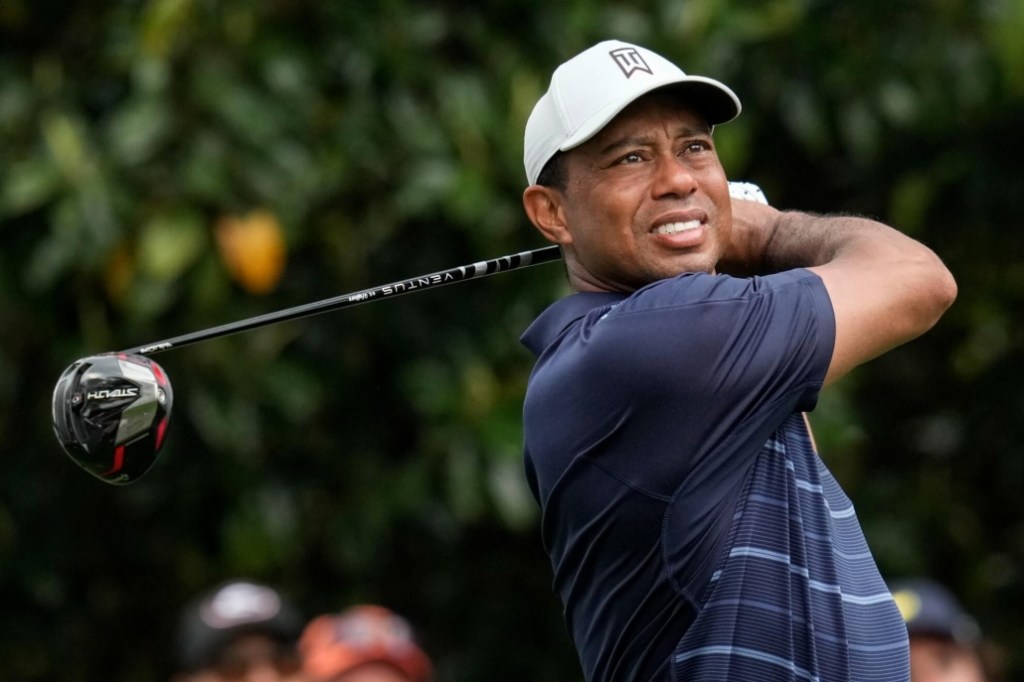
1. Tiger Woods
Tiger Woods is often regarded as one of the greatest golfers of all time. With 15 major championships to his name, his dominant performances in the late 1990s and early 2000s changed the landscape of golf. Woods is known for his incredible work ethic, mental toughness, and legendary comeback stories.
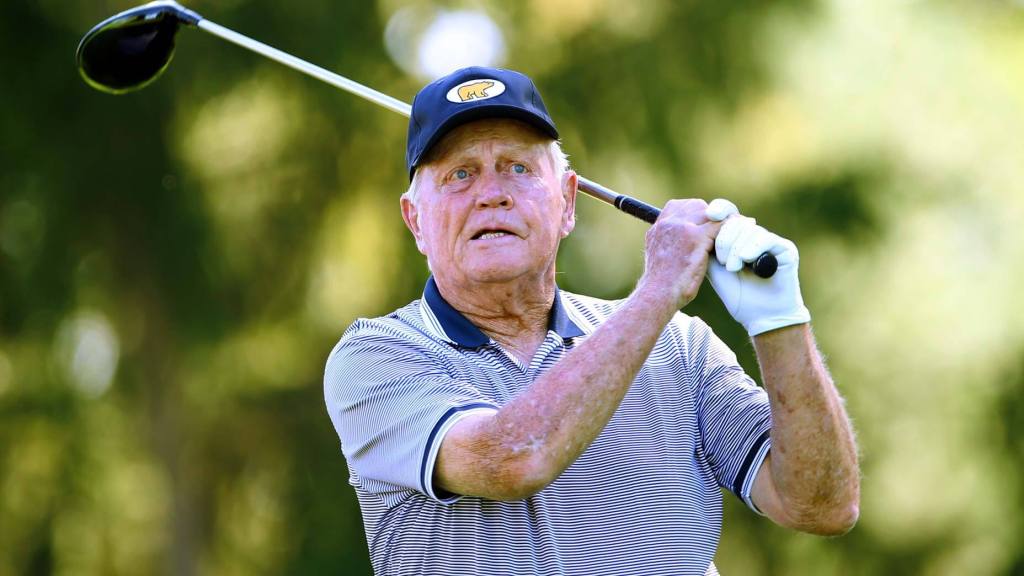
2. Jack Nicklaus
Nicknamed “The Golden Bear,” Jack Nicklaus holds the record for the most major wins (18) in golf history. His consistency and strategic approach to the game made him a formidable opponent during his career. Nicklaus also played a significant role in promoting the sport and has designed many golf courses worldwide.
3. Arnold Palmer
A beloved figure in golf, Arnold Palmer was not only a skilled player but also a charismatic ambassador for the sport. He won seven major championships and popularized golf through his engaging personality and the “Arnie’s Army” fan base. Palmer’s influence still resonates in the golf community today.
4. Ben Hogan
Ben Hogan was known for his remarkable ball-striking ability and his work ethic in perfecting the golf swing. He won nine major championships and overcame significant personal challenges to solidify his legacy as one of the best in the game.
5. Gary Player
Gary Player, hailed as one of the greatest international golfers, won nine major championships during his career. He is also an advocate for fitness and healthy living in the sport, influencing golfers around the world to prioritize physical conditioning.
6. Phil Mickelson
Phil Mickelson, known for his short game and left-handed swing, has won six major championships. His engaging personality and philanthropic efforts have made him a fan favorite, and he continues to compete at a high level even into his 50s.
7. Rory McIlroy
Rory McIlroy has emerged as one of the top players of the modern era, winning four major championships. Known for his powerful drives and overall athleticism, McIlroy continues to be a prominent figure in professional golf.
8. Annika Sörenstam
On the women’s side, Annika Sörenstam is one of the most successful golfers in history, having won 10 major championships. Her dedication and skill on the course paved the way for future generations of female golfers.
These players not only excelled in their individual careers but also helped to popularize golf worldwide. Their legacies continue to inspire new generations of golfers, ensuring that the sport remains vibrant and competitive for years to come.
Conclusion
Golf is a multifaceted sport that blends history, skill, strategy, and psychology. Whether you’re a beginner or an experienced player, the journey in golf is one of continuous learning and improvement. With respect for the game and dedication to practice, players can enjoy the many rewards that golf offers, from personal achievement to social engagement on the course.
#Golf #GolfHistory #GolfTournaments #GolfEquipment #GolfRules #GolfTechniques #GolfMentalGame #TopGolfers #GolfCommunity #GolfLife #PGA #Golfing #GolfPassion #GolfStrategy #AmateurGolf #GolfLovers






 BoldVoices.in
Leave a comment