
The Myanmar conflict, often referred to as the Rohingya crisis and the civil unrest stemming from decades of ethnic tensions, is a multifaceted situation that continues to evolve. This article aims to provide a comprehensive overview of the conflict’s background, the key players involved, and its implications both locally and globally.
Historical Background
Colonial Era
Myanmar, formerly known as Burma, was colonized by the British in the 19th century. This colonial period saw significant social and economic changes, including the migration of Indian workers into the region. The British policies of divide-and-rule exacerbated ethnic tensions among the country’s diverse groups.
Post-Independence Turmoil
After gaining independence in 1948, Myanmar faced immediate challenges including ethnic strife and political instability. The military took control in a coup in 1962, leading to decades of repressive rule. Various ethnic groups, including the Rohingya, Karen, and Shan, began to resist the state, seeking autonomy or independence.
The Rohingya Crisis
Who are the Rohingya?
The Rohingya are a Muslim minority group primarily residing in Rakhine State. They have faced longstanding discrimination and are often regarded as illegal immigrants from Bangladesh, despite having lived in Myanmar for generations. Their statelessness has resulted in severe human rights abuses.
Escalation of Violence
In recent years, tensions escalated dramatically. The situation worsened in August 2017 when a series of attacks by the Arakan Rohingya Salvation Army (ARSA) on military and police posts were met with a brutal military crackdown. This operation led to widespread atrocities including killings, rapes, and the destruction of villages, forcing over 700,000 Rohingya to flee to neighboring Bangladesh.
International Response
The international community has reacted with condemnation. Various countries imposed sanctions on Myanmar’s military leaders, and humanitarian organizations have called for increased aid to displaced Rohingya. However, the response has often been criticized as inadequate.
Current Conflict Dynamics
Political Landscape
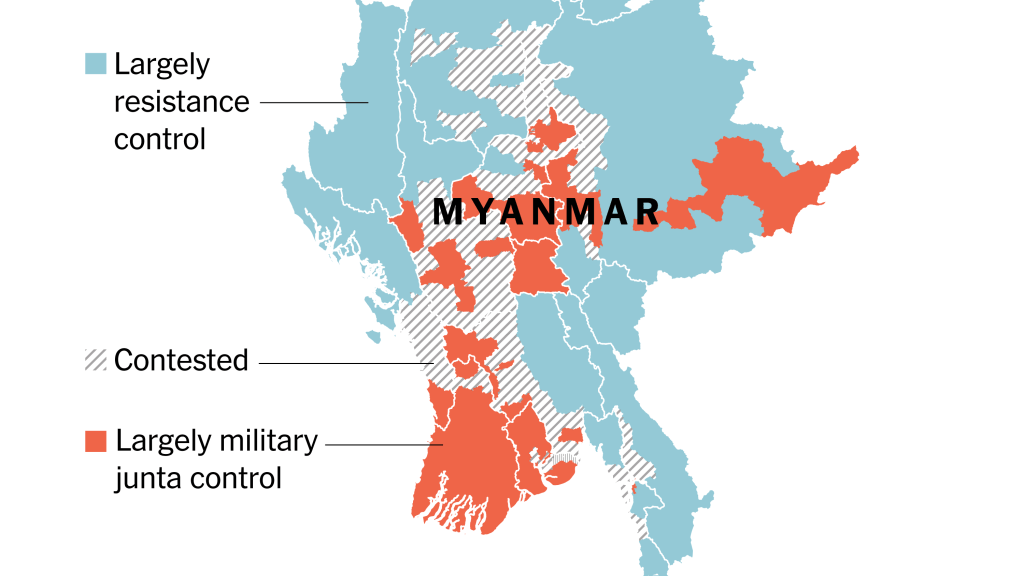
The political situation in Myanmar took a new turn when Aung San Suu Kyi’s National League for Democracy (NLD) won a landslide victory in 2015 elections, ending nearly five decades of military rule. However, the military (Tatmadaw) maintained significant power and influence. The 2021 military coup ousted the NLD government, leading to widespread protests and a brutal crackdown on dissent.
Internal Conflicts
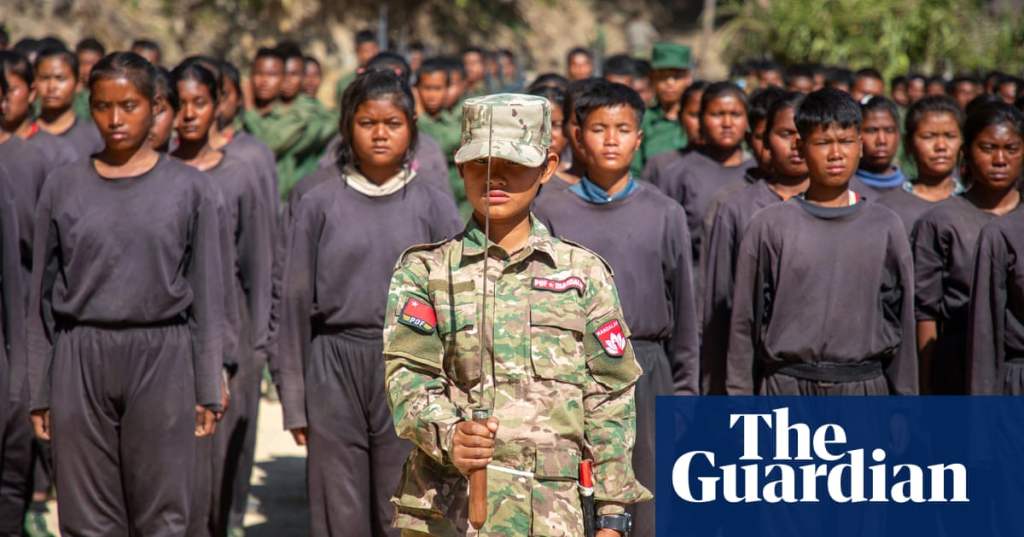
In addition to the Rohingya issue, multiple ethnic armed groups continue to fight against the central government, seeking autonomy and rights. The situation has led to a complex tapestry of alliances and hostilities among various factions, making peace efforts incredibly challenging.
Humanitarian Impact
The ongoing conflict has caused severe humanitarian crises. Over a million Rohingya refugees live in overcrowded camps in Bangladesh, facing inadequate access to food, healthcare, and education. The humanitarian situation is further worsened by the COVID-19 pandemic, which restricted movement and aid.
Global Implications
Regional Stability
The conflict has broader implications for regional stability in Southeast Asia. Neighboring countries must contend with the influx of refugees and the potential for destabilizing influences spilling over their borders.
Geopolitical Interests
Global powers have shown varying degrees of interest. China has strengthened ties with Myanmar, viewing it as a key partner in its Belt and Road Initiative. Meanwhile, Western nations prefer to support the democratic movement and address human rights violations, clashing with China’s conciliatory approach towards the military junta.
Conclusion
The Myanmar conflict is a deeply rooted issue that continues to evolve, affecting millions of lives and posing challenges for both regional and global stability. Understanding the complexities of the situation is crucial for any efforts toward lasting peace and reconciliation. The path forward remains fraught with obstacles, but addressing the underlying causes of the conflict will be essential to achieving a more just and sustainable resolution.
As the situation develops, the international community must remain engaged, advocating for human rights while also supporting efforts for dialogue and peacebuilding.
#MyanmarConflict #RohingyaCrisis #EthnicTensions #HumanRights #CivilUnrest #RefugeeCrisis #AungSanSuuKyi #MilitaryCoup #SoutheastAsia #PeaceBuilding #HumanitarianAid #RegionalStability #GeopoliticalInterests #BeltAndRoadInitiative #InternationalResponse #HumanitarianCrisis








 BoldVoices.in
Leave a comment