
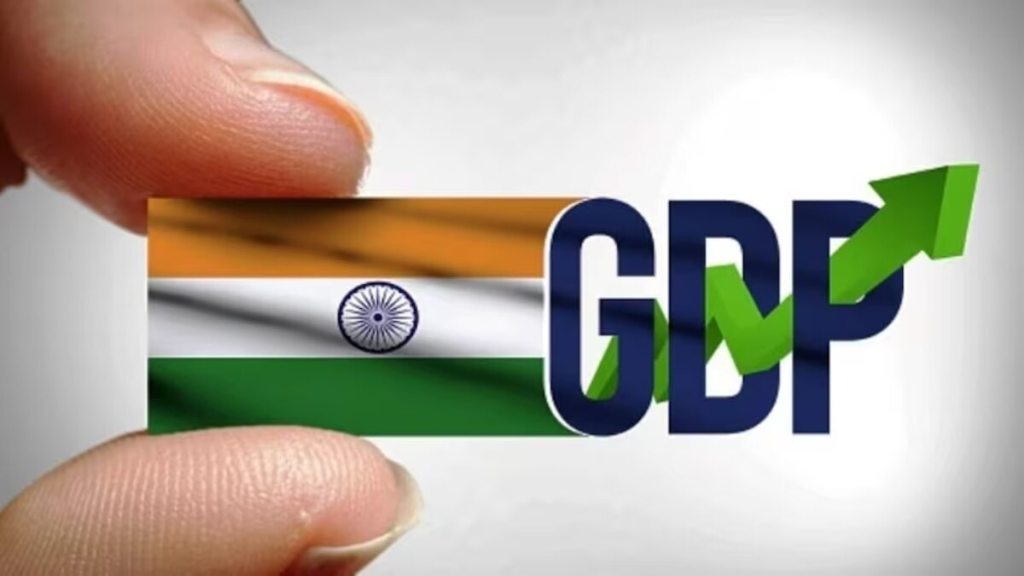
India’s Gross Domestic Product (GDP) has been a topic of significant interest and discussion among economists, policymakers, and investors alike. As one of the world’s largest economies, understanding the trends and dynamics that influence India’s GDP is crucial for analyzing its economic health and potential for future growth.
Overview of India’s GDP
India’s GDP is the monetary value of all finished goods and services produced within the country in a specific period. It serves as a comprehensive measure of a nation’s overall economic activity and health. The GDP can be calculated using three approaches: the production approach, the income approach, and the expenditure approach.
Current State of India’s GDP
As of 2023, India’s GDP is estimated to be around $3.5 trillion, making it the fifth-largest economy in the world, following the United States, China, Japan, and Germany. The nation has experienced robust growth rates over the past two decades, transforming from an agrarian economy to one that is increasingly driven by services and manufacturing.
Key Components Contributing to GDP
- Services Sector: The services sector is the largest contributor to India’s GDP, accounting for over 55% of the total. Key areas within this sector include IT services, telecommunications, finance, and hospitality.
- Industrial Sector: The industrial sector contributes around 26% to GDP. It encompasses manufacturing, construction, mining, and utilities. The “Make in India” initiative aims to enhance the manufacturing sector’s contribution and create jobs.
- Agricultural Sector: Although the agricultural sector only contributes about 18% to the GDP, it is vital for national food security and employs a large portion of the population.
Growth Trends and Historical Context
India’s GDP growth has seen various phases influenced by domestic and global factors:
- Pre-liberalization Era (Before 1991): India’s economy was primarily agrarian with significant government control, leading to slow growth rates averaging around 3-4%.
- Post-liberalization Era (1991 Onwards): Economic reforms initiated in 1991 opened up the Indian economy to globalization. This period saw accelerated growth rates, with GDP growth reaching as high as 10% in the early 2000s.
- Post-Global Financial Crisis (2008-2010): The effects of the global recession led to a decline in growth rates, but India bounced back relatively quickly compared to other economies.
- Pandemic Impact (2020): The COVID-19 pandemic caused a significant contraction in GDP by approximately 7.3% in 2020. However, the economy has been on a recovery path, with an expected growth of around 7% in 2022-2023.
Challenges to GDP Growth
Despite positive trends, India faces several challenges that could hinder its GDP growth:
- Rural-Urban Disparities: Economic growth is often uneven, with urban areas experiencing faster rates compared to rural regions. This creates challenges in job creation and economic benefits for the entire population.
- Infrastructure Deficits: Inadequate infrastructure continues to be a bottleneck for growth, with transportation, energy, and healthcare needing significant investment and development.
- Regulatory Hurdles: Complex regulations and bureaucratic delays can deter investment and business growth.
- Skill Development: A mismatch between the skills of the workforce and industry demands poses a challenge, affecting productivity and innovation.
Future Outlook
The future of India’s GDP appears promising but requires strategic efforts to overcome challenges. Key drivers of future growth include:
- Digital Transformation: Embracing digital technology across sectors can enhance productivity efficiency and create new marketplaces.
- Make in India Initiative: Encouraging manufacturing will help create more jobs and contribute to economic growth.
- Investment in Human Capital: Focusing on education and skill development will better align the workforce with the demands of a contemporary economy.
- Sustainable Development: Balancing economic growth with environmental sustainability will ensure a resilient economy in the long run.
Conclusion
India’s journey towards becoming a $5 trillion economy is marked by significant growth prospects and formidable challenges. By addressing infrastructure deficits, skill mismatches, and harnessing the potential of the service and manufacturing sectors, India can endeavor to sustain its growth momentum. As the global economy continues to evolve, India’s proactive measures will play a crucial role in shaping its GDP trajectory and ensuring inclusive development for its diverse population.
#IndiaGDP #EconomicGrowth #ServiceIndustry #MakeInIndia #DigitalTransformation #SustainableDevelopment #GrowthTrends #Agriculture #Investment #Infrastructure #EconomicHealth #FutureOutlook #GlobalEconomy #EconomicReforms #HumanCapital








 BoldVoices.in
Leave a comment