
Introduction
Crude oil, often referred to as “black gold,” is a crucial natural resource that plays a significant role in the global economy. Known for its versatility and energy content, crude oil is not only a primary source of fuel but also the foundation for a plethora of other products. This article delves into the nature of crude oil, its extraction, processing, economic importance, and environmental considerations.
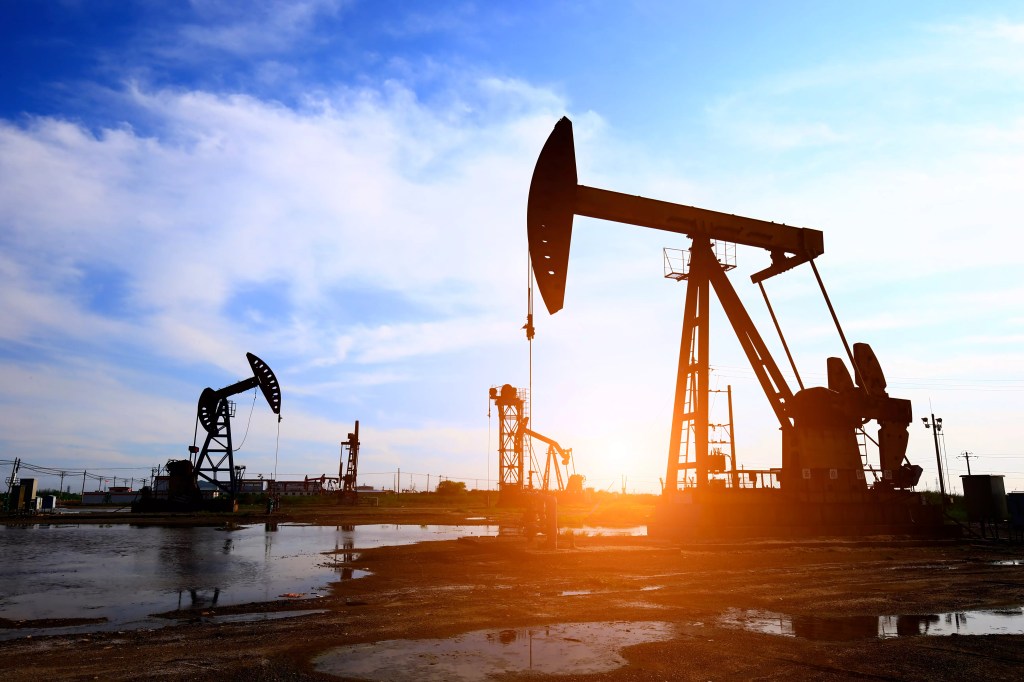
What is Crude Oil?
Crude oil is a naturally occurring, unrefined petroleum product composed of hydrocarbon deposits and other organic materials. Its composition can vary significantly depending on the geological conditions and location from which it is extracted. Crude oil is typically categorized into different grades based on its characteristics:
- Light Crude Oil: Has a low density and high API gravity, making it easier to refine.
- Heavy Crude Oil: Denser and more viscous, requiring advanced methods for extraction and refining.
- Sour Crude Oil: Contains high levels of sulfur, necessitating additional processing.
- Sweet Crude Oil: Contains low sulfur content and is preferred for refining.
The Extraction Process
Crude oil extraction generally involves the following methods:
1. Exploration
Using geological surveys and seismic studies, oil companies identify potential oil reserves beneath the Earth’s surface.
2. Drilling
Once a site is confirmed, drilling rigs are deployed to reach the oil reservoir. This process can take weeks to months, depending on the depth and complexity of the geological formations.
3. Production
After drilling, the oil is pumped to the surface. Natural pressure can sometimes bring oil to the surface, but in many cases, pumps are required.
4. Stimulation
Techniques such as hydraulic fracturing (fracking) or water flooding may be employed to enhance extraction.
5. Transportation
Crude oil is transported via pipelines, tankers, or railways to refineries where it is processed.
Refining Crude Oil
Refining is the process of converting crude oil into usable products such as gasoline, diesel, jet fuel, and various petrochemicals. The refining process typically involves:
- Distillation: The crude oil is heated, causing it to vaporize. Different components are separated based on their boiling points.
- Conversion: Larger hydrocarbon molecules are broken down into smaller, more useful ones through cracking processes.
- Treatment: Chemicals are added to remove impurities such as sulfur and nitrogen.
- Blending: Different refined products are mixed to achieve desired specifications.
Economic Importance
Crude oil is a major driver of the global economy. Its significance can be highlighted through several aspects:
1. Energy Production
Crude oil is the lifeblood of modern energy production. It fuels transportation, powers industries, and generates electricity.
2. Job Creation
The oil and gas industry provides millions of jobs worldwide, ranging from drilling and extraction to refining, transportation, and sales.
3. Investment and Trade
Oil is a commodity traded on global markets, influencing economic policies and international relations. Countries rich in oil reserves, such as Saudi Arabia and Russia, wield significant economic power.
4. Petrochemicals
Beyond fuels, crude oil is a raw material for thousands of products including plastics, fertilizers, paints, and pharmaceuticals.
Environmental Considerations
Despite its economic benefits, crude oil extraction and usage pose several environmental risks:
1. Oil Spills
Accidental releases of crude oil into the environment can have devastating effects on marine and terrestrial ecosystems.
2. Greenhouse Gas Emissions
Combustion of oil products contributes significantly to greenhouse gas emissions, driving climate change.
3. Resource Depletion
As oil reserves are depleted, extraction becomes more challenging and environmentally invasive, often leading to greater ecological damage.
4. Water Contamination
Oil drilling and fracking may lead to the contamination of local water supplies, posing health risks to communities.
Large Players in the Crude Oil Industry
The crude oil industry is dominated by several key players, ranging from national oil companies (NOCs) to multinational corporations (MNCs). These companies play a crucial role in exploration, production, refining, and distribution. Below are some of the largest players in the crude oil industry:
1. Saudi Aramco
- Country: Saudi Arabia
- Overview: The state-owned company is the world’s largest oil producer, with vast reserves and extensive infrastructure. It is integral to the global oil market and has significant influence on oil prices.
2. ExxonMobil
- Country: United States
- Overview: One of the largest publicly traded oil and gas companies, ExxonMobil is involved in all aspects of the oil industry, from exploration to refining. It operates globally and has a diverse portfolio.
3. Royal Dutch Shell
- Country: Netherlands and United Kingdom
- Overview: Shell is a multinational company that is involved in oil and gas exploration, production, refining, and marketing. It has a strong commitment to alternative energy investments and sustainability.
4. BP (British Petroleum)
- Country: United Kingdom
- Overview: BP is a major player in the oil and energy sector, with operations in all areas of the oil supply chain. The company is also investing in renewable energy sources as part of its strategic transition.
5. Chevron
- Country: United States
- Overview: Chevron operates in over 180 countries, focusing on oil and natural gas exploration, production, and refining. It is known for its extensive global operations and significant contributions to energy production.
6. TotalEnergies
- Country: France
- Overview: Originally known as Total, this company has diversified its portfolio to include renewable energy. It is involved in oil and gas exploration and production, refining, and marketing.
7. Gazprom
- Country: Russia
- Overview: Gazprom is a state-controlled company that is the world’s largest producer of natural gas and a significant player in the oil sector. Its strategic importance is heightened by its influence over Europe’s energy supplies.
8. Eni
- Country: Italy
- Overview: Eni operates in the exploration and production of oil and gas and also has a growing presence in renewable energy. The company is known for its innovative approaches in the industry.
9. ConocoPhillips
- Country: United States
- Overview: ConocoPhillips is an independent exploration and production company and one of the largest in the world, focusing on crude oil and natural gas activities.
10. Equinor (formerly Statoil)
- Country: Norway
- Overview: Equinor is a state-owned company that is a leader in the production of oil and gas in Norway and is transitioning towards renewable energy solutions.
Conclusion
These large players in the crude oil industry not only have significant control over oil production and distribution but also impact global energy policies, economic conditions, and environmental considerations. The ongoing transition towards renewable energy sources is prompting these companies to adapt and innovate while maintaining their importance in the fossil fuel market.
The Future of Crude Oil
The future of crude oil is shaped by changing energy needs, technological advancements, and environmental policies. The rise of renewable energy sources such as wind, solar, and biofuels threatens traditional oil markets. As nations pursue sustainability, investment in alternative energy solutions continues to grow.
However, crude oil remains a key player in the global energy landscape, and transitional phases away from fossil fuels indicate a period of adaptation rather than immediate replacement.
Conclusion
Crude oil is a complex and multifaceted resource critical to the world both economically and industrially. As we navigate the challenges associated with its use and extraction, it is imperative to pursue responsible management and innovation that minimizes environmental impact while meeting global energy demands. The interplay between crude oil and alternative energy sources will shape the future of our planet’s energy landscape.
Hashtags for Crude Oil Article
Here are some relevant hashtags you can use to promote your article about crude oil:
- #CrudeOil
- #BlackGold
- #OilIndustry
- #EnergyProduction
- #EnvironmentalImpact
- #OilExtraction
- #Refining
- #Petroleum
- #Sustainability
- #RenewableEnergy
- #JobCreation
- #GlobalEconomy
- #OilMarket
- #EnergyTransition
- #Petrochemicals










 BoldVoices.in
Leave a comment