
The history of Russian intelligence is marked by the evolution and transformation of various state security organizations. Chief among these are the KGB, or the Committee for State Security, and its successor, the FSB, or the Federal Security Service of the Russian Federation. This article delves into the origins, functions, historical context, controversies, and current status of these two pivotal agencies in Russian history.
Origins of the KGB
The KGB was established in March 1954, during the era of the Cold War, as a key component of the Soviet Union’s security apparatus. It arose from a series of previous organizations, including the OGPU (the Joint State Political Directorate) and the NKVD (People’s Commissariat for Internal Affairs), which had already garnered a notorious reputation for political repression and espionage.
The primary function of the KGB was to safeguard the Soviet state from internal and external threats, a task which encompassed intelligence gathering, counterintelligence, border security, and oversight of the Soviet Union’s various secret police activities.
Functions and Structure
The KGB had several key responsibilities, including:
- Intelligence Gathering: The KGB operated both domestically and internationally to collect intelligence on foreign governments, military capabilities, and political movements. It had an extensive network of agents and informants around the world.
- Counterintelligence: To prevent enemy espionage, the KGB deployed a range of counterintelligence operations targeting foreign intelligence services, relying heavily on surveillance and infiltration.
- Political Repression: The KGB played a significant role in suppressing dissent within the Soviet Union, utilizing tactics such as surveillance of dissidents, censorship, and even imprisonment or exile of political opponents.
- Psychological Warfare: The KGB engaged in disinformation campaigns (active measures) aimed at influencing public perception both domestically and internationally.
The organization was structured into various directorates focused on different operational areas, including foreign intelligence, internal security, and military counterintelligence.
Historical Context
Throughout the Cold War, the KGB was involved in numerous high-profile espionage cases, shaping the landscape of international relations. Its agents were often at the forefront of confrontations with Western intelligence agencies, particularly the CIA. Notable events including the Cuban Missile Crisis highlighted the tense atmosphere and the KGB’s pivotal role in Soviet military strategy.
The KGB was also implicated in brutal campaigns against dissidents, such as the suppression of the Prague Spring in 1968 and the ongoing efforts to silence the dissenting voice of figures like Alexander Solzhenitsyn and Andrei Sakharov.
Notable Personalities of the KGB
The KGB had a variety of prominent figures throughout its history, many of whom played critical roles in shaping Soviet policies and intelligence operations. Here are some notable personalities associated with the KGB:
1. Yuri Andropov
Yuri Andropov served as the head of the KGB from 1967 to 1982 before becoming the General Secretary of the Communist Party. He was instrumental in targeting dissidents and implementing policies aimed at suppressing dissent during the later years of the Brezhnev era.
2. Felix Dzerzhinsky
Though he was not a KGB head, Felix Dzerzhinsky is regarded as the founder of the Soviet secret police, known as the Cheka, which later evolved into the KGB. His legacy is associated with brutal repression but also with the establishment of Soviet state security.
3. Viktor Chebrikov
Viktor Chebrikov served as the chairman of the KGB from 1982 until its dissolution in 1991. He was involved in various operations during the Cold War and emphasized the role of the KGB in combating Western influence.
4. Mikhail Gromov
A lesser-known yet significant figure, Mikhail Gromov was one of the KGB’s leading operatives who dealt with intelligence operations abroad, particularly during the Cold War period.
5. General Alexander L. Semyonov
Semyonov was involved in counterintelligence and played a crucial role in several high-profile cases involving espionage against the West, showcasing the KGB’s counterespionage capabilities.
6. Vladimir Putin
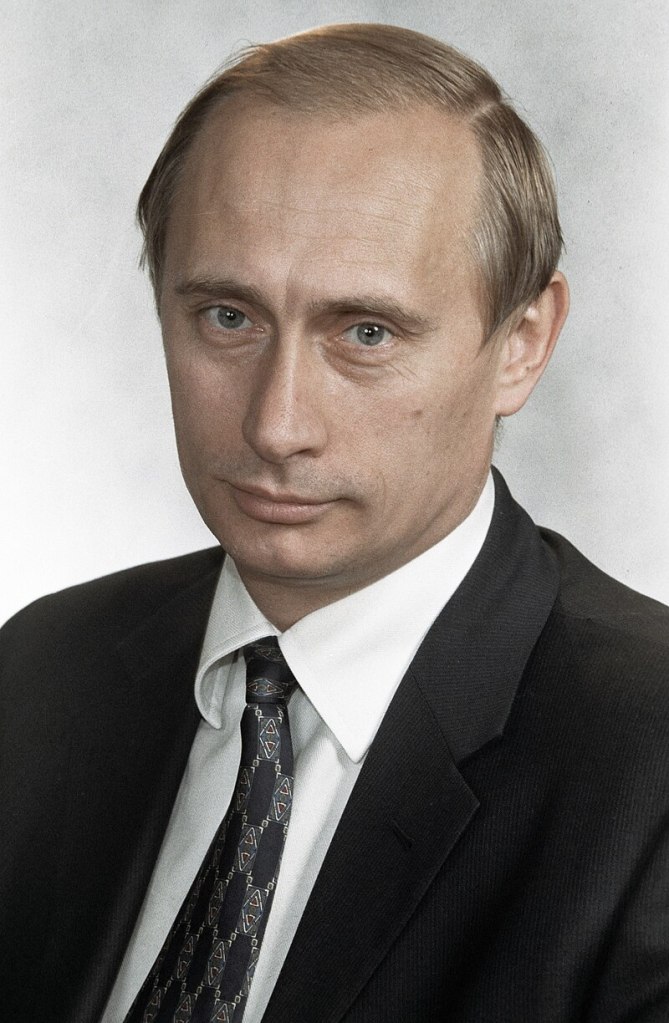
Before entering politics, Vladimir Putin served in the KGB as an intelligence officer in East Germany. His experiences shaped his views and policies as he rose to power in Russia, leading to a resurgence of KGB-like tactics in modern governance.
7. Gennady Yanayev
Gennady Yanayev was a KGB officer who later became involved in the attempted coup against Mikhail Gorbachev in 1991. His role highlighted the KGB’s entanglement in political maneuvers during the tumultuous end of the Soviet Union.
These individuals illustrate the diverse roles that prominent figures within the KGB played in shaping the organization’s legacy and its impact on Soviet society and politics.
Famous Operations of the KGB
The KGB was involved in numerous high-profile operations throughout its history, each showcasing its extensive capabilities in espionage, counterintelligence, and political repression. Here are some of the most notable operations:
1. Operation Trust
Launched in the 1920s, Operation Trust was a counterintelligence operation aimed at deceiving anti-Bolshevik elements. The KGB (then the Cheka) created a fictitious group of underground white movement leaders to lure real anti-Bolshevik supporters into a trap, leading to mass arrests and executions.
2. The Berlin Tunnel (Operation Gold)
In the early 1950s, the KGB collaborated with the CIA in what became known as Operation Gold, where they dug a tunnel under Berlin to tap into Allied communications. This operation was designed to gather intelligence about NATO military plans, revealing the lengths to which intelligence agencies would go for strategic advantages.
3. The Assassination of Leon Trotsky
In 1940, the KGB executed a covert operation to assassinate Leon Trotsky, a key rival of Joseph Stalin, in Mexico City. Trotsky was murdered by Ramón Mercader, a KGB-trained agent using an ice axe, marking a significant and brutal act of political repression.
4. The Cuban Missile Crisis
During the Cuban Missile Crisis in 1962, the KGB played a crucial role in espionage operations to assess U.S. military readiness and strategies. KGB agents provided vital intelligence that influenced Soviet decisions in this tense standoff between the U.S. and the Soviet Union.
5. Operation K,
In the 1970s, Operation K was a KGB operation aimed at infiltrating and discrediting global dissident movements, particularly targeting those who opposed Soviet rule from outside the country. This included actions against dissidents in Western nations and surveillance of their activities.
6. The GDR Information and Espionage Network
The KGB established a robust network in East Germany (the German Democratic Republic, GDR) during the Cold War. It involved close cooperation with the Stasi (the East German secret police) to gather intelligence on Western nations and suppress dissent within East Germany.
7. Operation Professor
In 1986, the KGB employed a plan dubbed Operation Professor to create and foment division within the scientific community of the West, particularly focusing on Western fears about Soviet advances in technology and science. The operation aimed to influence public perception and sow distrust regarding Soviet capabilities.
8. The Poisoning of Aleksandr Litvinenko
Although not officially recognized, many suspect that the KGB (or its successor agency, the FSB) was involved in the poisoning of former KGB officer Aleksandr Litvinenko in London in 2006. Litvinenko had become a vocal critic of the Russian government, and his assassination underscored the lengths to which the Russian state might go to silence dissent.
These operations illustrate the KGB’s extensive involvement in global espionage, political maneuvers, and suppression of dissent, leaving a lasting impact on international relations and internal politics.
Dissolution and Transition to the FSB
With the collapse of the Soviet Union in 1991, the KGB was dissolved, and its functions were restructured into several new agencies. The most significant of these was the FSB, which was established in 1995 under the leadership of President Boris Yeltsin.
The FSB inherited many of the KGB’s traditional roles but was tasked with adapting to a new political landscape. The agency was given a mandate to fight terrorism, organized crime, and economic crimes, shifting its focus from political repression to national security in a more modern sense.
The FSB in Contemporary Russia
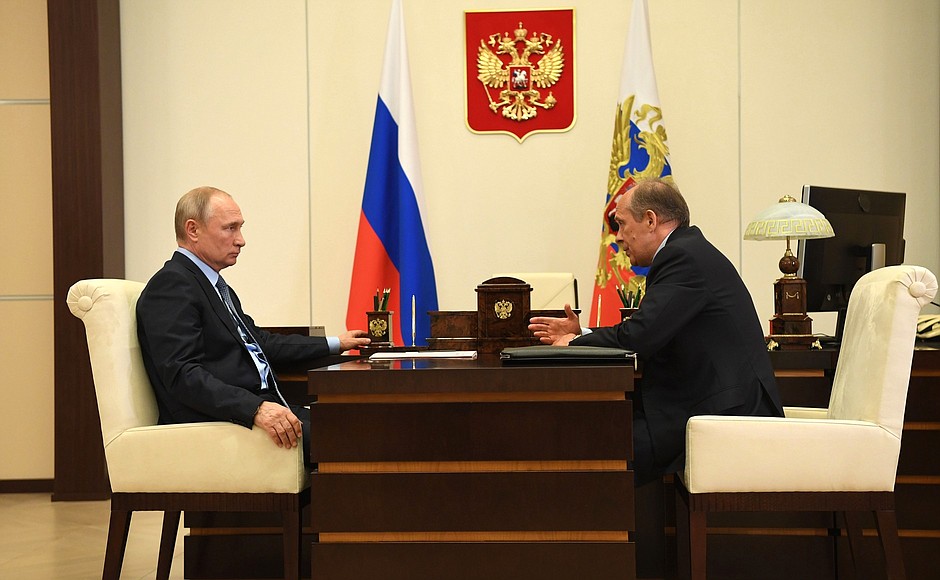
Under President Vladimir Putin, who served as a former KGB officer, the FSB has significantly expanded its power and influence in Russian society. The agency has engaged in extensive monitoring of political opponents, independent media, and civil activism, often employing tactics reminiscent of the KGB’s earlier years.
The FSB’s involvement in key political events, such as the annexation of Crimea in 2014 and its alleged role in meddling in foreign elections, has further underscored its central position in Russia’s national security framework.
Controversies and Criticism
Both the KGB and the FSB have faced intense criticism for their methods and the impacts of their operations on civil liberties and human rights. Accusations of torture, extrajudicial killings, and unlawful surveillance remain prevalent.
Additionally, the FSB’s integration into the Russian political system has raised concerns over the intertwining of state power and the security apparatus, leading observers to question the implications for democratic governance in the country.
Conclusion
The legacy of the KGB and its transformation into the FSB encapsulates a complex narrative of power, repression, and national security in Russia. Understanding this evolution is critical to comprehending contemporary Russian politics and the broader implications for international relations. As the FSB continues to navigate its role in a rapidly changing geopolitical landscape, its historical roots in the KGB remind us of the enduring impact of state security agencies on civil society and governance.
#RussianIntelligence #KGB #FSB #ColdWar #Espionage #Counterintelligence #PoliticalRepression #HistoricalContext #IntelligenceHistory #VladimirPutin #SovietUnion #NationalSecurity #Dissidents #CivilLiberties #ContemporaryRussia








 BoldVoices.in
Leave a comment