
Introduction
International espionage, often depicted in thrilling movies and novels, plays a critical role in global politics and security. This clandestine world is marked by intrigue, deception, and high stakes, where information is the most valuable currency. This article explores the history, methods, and implications of international spying, revealing the complex web of relationships that defines this shadowy profession.
A Brief History of Espionage
Ancient Roots
Espionage isn’t a modern invention; its roots trace back thousands of years. Ancient civilizations, such as the Egyptians, Greeks, and Chinese, engaged in spy networks to gather intelligence on rivals. One notable figure is Sun Tzu, whose work “The Art of War” emphasized the importance of knowledge in warfare.
The Cold War Era
The modern concept of espionage significantly evolved during the Cold War. The rivalry between the United States and the Soviet Union led to an arms race and a fierce battle for information. Organizations like the CIA and KGB expanded their operations globally, recruiting spies, using technology for surveillance, and conducting covert operations.
Technological Advancements
The rise of technology in the late 20th and early 21st centuries introduced new tools and methods for espionage. From satellite imagery to cyber-espionage, intelligence agencies adapted to emerging threats in an increasingly interconnected world.
The Methods of Espionage
Espionage encompasses a wide range of activities aimed at gathering sensitive information. Below are the primary methods used by spies around the world:
Human Intelligence (HUMINT)
Human intelligence involves recruiting individuals to provide information. This can include diplomats, military personnel, and even ordinary citizens. Agents often cultivate relationships to earn trust and extract valuable insights.
Signals Intelligence (SIGINT)
Signals intelligence focuses on intercepting communications. This includes telephone calls, emails, and other forms of digital communication. Agencies utilize sophisticated technology to monitor and analyze data to gain insights into rival nations’ activities.
Imagery Intelligence (IMINT)
Imagery intelligence involves the collection of visual images through reconnaissance satellites and aerial surveillance. This method helps monitor troop movements, infrastructure development, and other strategic elements.
Cyber Espionage
With the rise of the internet, cyber espionage has become a critical tool for intelligence agencies. Hacking into government databases, corporate networks, and personal devices allows spies to steal sensitive information, disrupt operations, and surveil adversaries.
Covert Operations
Covert operations involve clandestine actions designed to influence events in favor of national interests. This could range from disinformation campaigns to sabotage, and often includes a level of deniability from the government carrying out the action.
Key Players in the International Spy Arena
The CIA (Central Intelligence Agency)
Founded in 1947, the CIA is the premier intelligence agency of the United States. It conducts global operations, gathers and analyzes intelligence, and plays a crucial role in U.S. foreign policy through covert actions.
The KGB (Committee for State Security)
The KGB was the main security agency for the Soviet Union until its dissolution in 1991. Known for its ruthless tactics, it was instrumental in maintaining the regime’s power and conducting espionage against rival nations.
MI6 (Secret Intelligence Service)
The UK’s MI6 is responsible for foreign intelligence operations. Its focus is on gathering intelligence to protect British interests globally and to counter threats from hostile nations.
Mossad
Israel’s national intelligence agency, Mossad, is renowned for its covert operations, particularly in counter-terrorism and the gathering of intelligence regarding Iran and other perceived threats.
FSB (Federal Security Service)
The FSB is the principal security agency in Russia, succeeding the KGB. Its focus is both internal and external security, with significant involvement in cyber espionage and counter-terrorism efforts.
Famous Spies
Throughout history, numerous spies have made significant contributions to the world of espionage, playing pivotal roles in shaping events and influencing outcomes. Here are a few of the most notable spies:
Mata Hari

Mata Hari, born Margaretha Geertruida Zelle, was a Dutch exotic dancer and courtesan who became one of the most famous spies during World War I. Accused of being a double agent for Germany, she was arrested by French authorities and executed in 1917. Her enigmatic persona and dramatic life have made her a symbol of the seductive female spy.
Aldrich Ames

Aldrich Ames was a former CIA officer who became one of the most notorious spies for the Soviet Union in the 1980s and early 1990s. He provided the KGB with the identities of American informants, leading to the arrest and execution of several agents. Ames was arrested in 1994 and is currently serving a life sentence in prison.
Kim Philby

Kim Philby was a British intelligence officer and a member of the infamous Cambridge Five—a group of spies who secretly worked for the Soviet Union. Philby’s infiltration into British intelligence allowed him to funnel crucial information to the Soviet Union during the Cold War. He defected to the Soviet Union in 1963 and lived there until his death.
Valerie Plame

Valerie Plame was a covert CIA officer whose identity was disclosed in 2003, leading to a major political scandal. Her role in the agency involved gathering intelligence on weapons of mass destruction, particularly in Iraq. The leak of her identity was seen as a politically motivated attack on her husband, Joseph Wilson, who had publicly criticized the justification for the Iraq War.
Robert Hanssen

Robert Hanssen was an FBI agent who spied for the Soviet Union and later Russia for more than 20 years. He compromised numerous intelligence operations and was arrested in 2001. Hanssen’s espionage activities are considered one of the most damaging in U.S. history.
Julius and Ethel Rosenberg
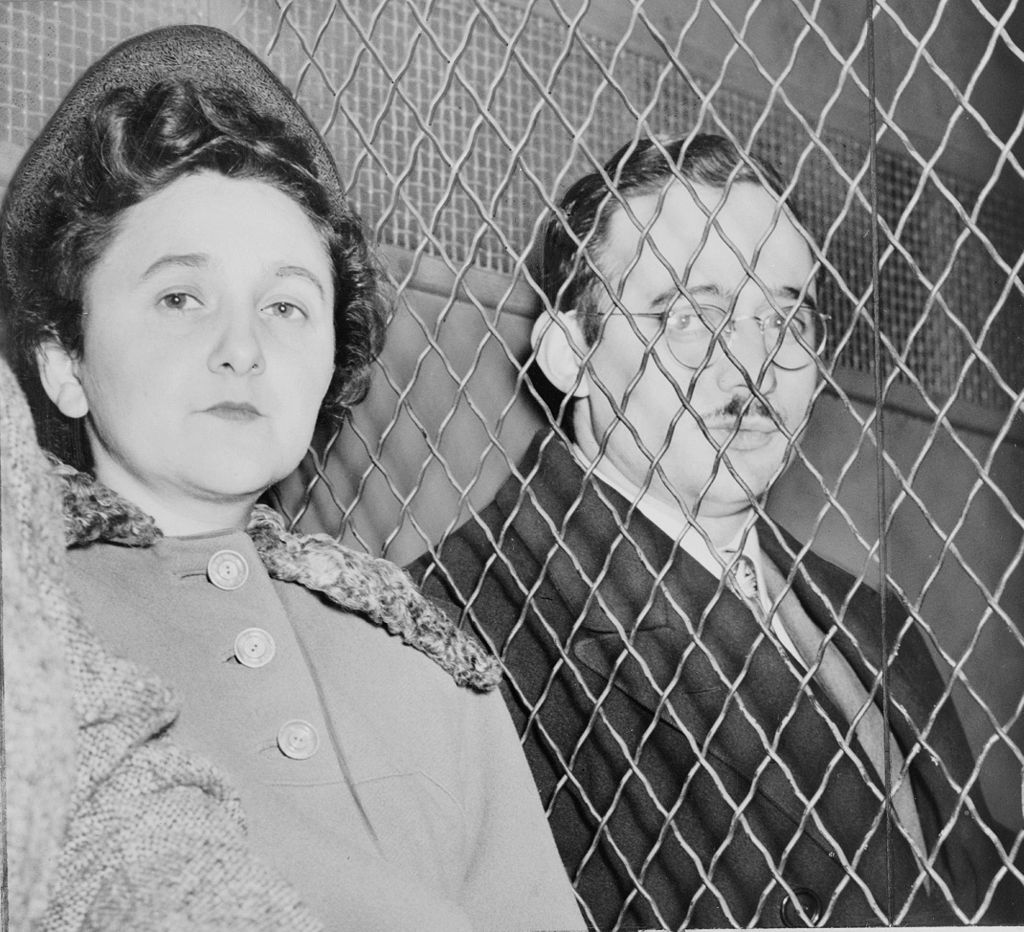
The Rosenbergs were American citizens executed in 1953 for conspiracy to commit espionage by passing atomic secrets to the Soviet Union during the Cold War. Their trial and execution sparked significant controversy and debate over issues of national security, civil rights, and the impact of the Red Scare.
Anna Chapman

Anna Chapman was a Russian spy who was arrested in the United States in 2010 as part of a larger Russian intelligence operation known as the “illegals program.” Her glamorous lifestyle and subsequent expulsion from the U.S. generated media attention, making her a notable figure in contemporary espionage.
These spies, among others, have left a lasting legacy on the field of intelligence and have been the subject of numerous books, films, and discussions surrounding the complexities of espionage and national security.
The Ethical Implications of Espionage
The practice of espionage raises numerous ethical questions. The balance between national security and the infringement of individual privacy is a contentious issue. While the gathering of intelligence is crucial for national defense, it often occurs at the expense of personal freedoms and rights.
Civil Liberties vs. National Security
Governments justify espionage activities as necessary for protecting citizens, yet these actions can lead to widespread surveillance, potential abuse of power, and the erosion of civil liberties. The debate continues over how to protect citizens without overstepping ethical boundaries.
The Impact of Leaks
Whistleblowers and leaks can expose the reality of espionage practices. While they often reveal wrongdoing, they can also jeopardize national security and diplomatic relations. The balance between transparency and secrecy remains a complex issue.
Espionage in the Digital Age
The digital landscape has transformed espionage dramatically. Cyber espionage has emerged as a significant threat, with state and non-state actors capable of accessing sensitive data with relative ease.
Famous Spy Missions
Espionage has led to some of the most daring and high-stakes operations in history. Below are a few notable spy missions that have significantly impacted global events.
Operation Ajax (1953)
Initiated by the CIA and British intelligence, Operation Ajax aimed to overthrow Iran’s democratically elected Prime Minister, Mohammad Mossadegh, due to his nationalization of the oil industry. The operation involved a combination of propaganda, bribery, and orchestrated riots, ultimately leading to the reinstatement of the Shah of Iran. This mission highlighted the extent to which foreign powers would intervene in national politics for economic interests.
The Cambridge Five
A ring of spies in the United Kingdom, known as the Cambridge Five, operated during the height of the Cold War. Comprising university students who were recruited by Soviet intelligence, they infiltrated key positions in the British government. Their activities provided the Soviet Union with critical information, including Britain’s nuclear secrets. The identities of the spies, such as Kim Philby and Guy Burgess, remained secret for years, showcasing the complexities of loyalty and betrayal.
Operation Gladio
Operation Gladio was a covert NATO initiative that sought to counter potential Soviet influence in Europe during the Cold War. Involving secret armies and intelligence networks, it operated across various countries to engage in counter-insurgency measures. While aimed at preventing communism, revelations about the operation have raised ethical questions regarding state-sponsored violence and terrorism.
The Berlin Tunnel (Operation Gold)
In the early 1950s, U.S. and British intelligence conducted Operation Gold, also known as the Berlin Tunnel, to tap into Soviet communications. By digging a tunnel beneath East Berlin to access the Soviet and East German stations, the operation aimed to gather valuable intelligence. Although the U.S. garnered significant information, the operation was ultimately compromised, exemplifying the risks and challenges of espionage.
The Abduction of Adolf Eichmann
In 1960, Israeli intelligence agency Mossad successfully located and abducted Adolf Eichmann, a key figure in orchestrating the Holocaust, from Argentina. The mission was both a moral imperative and a significant intelligence operation, allowing Eichmann to be brought to trial in Israel. This operation underscored Israel’s commitment to seeking justice for Holocaust victims.
Operation Neptune Spear
In 2011, Navy SEALs launched Operation Neptune Spear, the mission to capture or kill Osama bin Laden, the mastermind behind the 9/11 attacks. The operation involved months of intelligence gathering and careful planning, culminating in a night raid on a compound in Abbottabad, Pakistan. The successful mission marked a significant moment in the U.S.-led War on Terror and showcased the effectiveness of modern military intelligence operations.
The Stuxnet Cyberattack
In 2010, the Stuxnet worm was deployed to target Iran’s nuclear program, specifically the Natanz facility. It is widely attributed to a joint U.S.-Israeli operation aimed at disrupting Iran’s nuclear capabilities. By causing centrifuges to malfunction, Stuxnet represented a new era of cyber warfare, demonstrating how technology can play a pivotal role in espionage and international relations.
These famous spy missions highlight the intricate and often dangerous nature of espionage throughout history. From political interventions to modern cyber warfare, each operation reflects the ongoing struggle for power, information, and security in an ever-evolving global landscape.
The Rise of Cyber Warfare
Countries now prepare for conflicts that may not involve traditional warfare but instead rely on cyber attacks. These can disrupt critical infrastructure, steal information, and sow discord among populations.
Social Media and Information Warfare
With the proliferation of social media, espionage extends beyond traditional confines. Information operations that manipulate public perception, spread disinformation, or influence elections are more common and pose new challenges for national security.
Conclusion
The world of international espionage remains as captivating as it is dangerous. With an ever-evolving technological landscape, the stakes continue to rise. As nations navigate this complex web of intelligence gathering, ethical considerations and implications for civil liberties will persist as critical discussions in the years to come. Understanding this hidden world helps us appreciate the complexities behind the veil of national security and diplomacy, highlighting the delicate balance between protecting interests and respecting individual rights.
Hashtags
Here are some suggested hashtags to use for the article on international espionage:
- #Espionage
- #Intelligence
- #SpyHistory
- #ColdWar
- #CyberEspionage
- #HUMINT
- #SIGINT
- #CovertOperations
- #FamousSpies
- #NationalSecurity
- #CyberWarfare
- #InformationWarfare
- #PoliticalIntrigue
- #SpyMissions
- #GlobalPolitics











 BoldVoices.in
Leave a comment