
Introduction
The Central Intelligence Agency (CIA) is a key component of the United States government, tasked with gathering and analyzing national security information from around the world. Established in 1947, the CIA plays a vital role in the country’s foreign intelligence and counterintelligence efforts, influencing policy decisions and military strategies. This article will explore the origins, structure, functions, and controversies surrounding the CIA.
Historical Background
Origins
The roots of the CIA trace back to World War II and the Office of Strategic Services (OSS), which was created to coordinate espionage activities in Europe and Asia. After the war, the U.S. government recognized the need for a dedicated intelligence agency to prevent future conflicts and threats. The National Security Act of 1947 officially established the CIA, merging the functions of the OSS and creating a formal intelligence framework.
Expansion During the Cold War
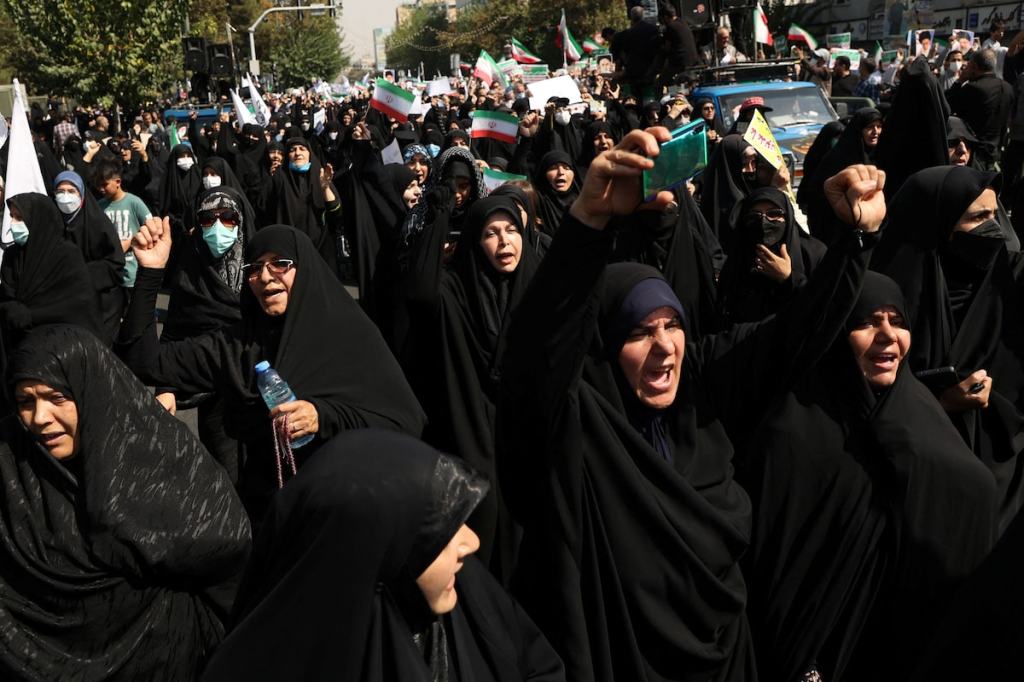
During the Cold War, the CIA grew in prominence as it took on an expanded role in combatting the Soviet Union. Through various covert operations, the agency aimed to counteract Soviet influence globally. Notable operations included the use of propaganda, espionage, and even attempts to destabilize foreign governments, such as the overthrow of Iranian Prime Minister Mohammad Mossadegh in 1953 and the Cuban Bay of Pigs invasion in 1961.
Structure and Organization
Leadership
The CIA is overseen by the Director of the CIA (D/CIA), who is appointed by the President and confirmed by the Senate. This position is crucial, as the director sets the agency’s strategic direction and represents the agency to the President and other parts of the government.
Divisions
The CIA is divided into several directorates, each focusing on a specific facet of intelligence work:
- Directorate of Operations (DO): Responsible for clandestine operations and human intelligence (HUMINT).
- Directorate of Analysis (DA): Focuses on analyzing intelligence data and providing context for decision-makers.
- Directorate of Science and Technology (DS&T): Develops advanced tools and technologies for gathering intelligence.
- Directorate of Support (DS): Provides logistical support and services necessary for the agency’s operations.
Field Stations and Offices
The CIA operates worldwide, with stations and offices in key locations. These establishments help gather intelligence and respond to crises on a global scale. Their agents work discreetly to obtain valuable information that may be critical for national security.
Functions of the CIA
Intelligence Gathering
One of the primary functions of the CIA is intelligence gathering. This involves collecting information from a variety of sources, including human sources, signals intelligence (SIGINT), and imagery intelligence (IMINT). The collected data is analyzed to provide insights into political, economic, and military developments globally.
Covert Operations
The CIA conducts covert operations to influence events in foreign countries without revealing U.S. involvement. These missions can include political interventions, paramilitary actions, and supporting friendly governments or groups. Such activities often remain classified and can have profound implications for U.S. foreign policy.
Counterintelligence
Counterintelligence operations aim to protect the U.S. against espionage efforts by foreign intelligence services. The CIA works to identify and neutralize foreign spies and prevent sensitive information from falling into enemy hands.
Support to Policy Makers
The CIA provides critical intelligence support to U.S. policymakers and military leaders. Through comprehensive analysis and timely intelligence reports, the agency helps shape decisions related to national security and diplomacy.
Notable Personalities of the CIA
The Central Intelligence Agency (CIA) has been shaped by various influential figures throughout its history. These personalities have significantly impacted the agency’s operations, policies, and the broader landscape of U.S. intelligence. Here are some notable figures associated with the CIA:
1. William J. Donovan
William J. Donovan, often referred to as “Wild Bill,” was the head of the Office of Strategic Services (OSS) during World War II, which was the predecessor to the CIA. His vision for a coordinated intelligence service laid the groundwork for the establishment of the CIA in 1947.
2. Allen Dulles
Allen Dulles served as the last civilian director of the CIA from 1953 to 1961. Under his leadership, the agency conducted several high-profile operations, including the overthrow of Iran’s Mohammad Mossadegh and the Bay of Pigs invasion. Dulles was instrumental in expanding the CIA’s capabilities during the Cold War.
3. Richard Helms
Richard Helms was the director of the CIA from 1966 to 1973. Known for his discretion and commitment to secrecy, Helms oversaw controversial operations during the Vietnam War and the CIA’s involvement in covert activities in Latin America. He later testified before Congress regarding the agency’s actions.
4. William Colby
William Colby served as director of the CIA from 1973 to 1976. He is notable for his efforts to reform the agency following the Watergate scandal and in the wake of growing public scrutiny. Colby played a key role in the Church Committee’s investigation into CIA abuses and advocated for greater transparency.
5. George H.W. Bush
Before becoming the 41st President of the United States, George H.W. Bush served as the CIA director from 1976 to 1977. His tenure was marked by efforts to restore the agency’s reputation after the revelations of misdeeds in the Vietnam War and other operations, as well as overseeing the agency during a challenging period in U.S. history.
6. David Petraeus
David Petraeus, a four-star general, served as the CIA director from 2011 to 2012. A key figure in the Iraq War, Petraeus focused on integrating military and intelligence operations, enhancing the agency’s capabilities in counterterrorism, particularly in relation to al-Qaeda and its affiliates.
7. John Brennan
John Brennan served as CIA director from 2013 to 2017 during the Obama administration. He was involved in numerous decisions related to counterterrorism and the use of drone strikes against terrorist targets, and he emphasized the importance of cybersecurity in national security.
8. Gina Haspel
Gina Haspel made history as the first woman to serve as the CIA director, appointed in 2018. A career officer with over three decades of experience at the agency, Haspel’s tenure included focus on modernization and adapting to new challenges in the intelligence landscape.
These individuals are just a few of the many influential leaders whose actions and policies have characterized the CIA and shaped its legacy within the U.S. intelligence community. Their contributions reflect the complexities and challenges of intelligence work in various historical contexts.
Famous Operations of the CIA
The Central Intelligence Agency (CIA) has been involved in numerous high-profile operations throughout its history, many of which have had significant implications for U.S. foreign policy and intelligence gathering. Here are some of the most famous operations conducted by the CIA:
1. Operation Ajax (1953)
One of the earliest and most well-known CIA operations, Operation Ajax, aimed to overthrow Iranian Prime Minister Mohammad Mossadegh. This operation was initiated due to Mossadegh’s nationalization of the Iranian oil industry, which threatened Western oil interests. The CIA orchestrated a coup that reinstated the Shah of Iran, leading to decades of authoritarian rule.
2. Bay of Pigs Invasion (1961)
The Bay of Pigs invasion was a failed military invasion of Cuba by Cuban exiles supported by the CIA. The goal was to overthrow Fidel Castro’s government. The operation’s failure resulted in a significant embarrassment for the U.S. and strengthened Castro’s position in Cuba, showcasing the challenges the CIA faced in its covert operations.
3. Operation Condor (1970s)
Operation Condor was a campaign of political repression and state terrorism conducted by several South American governments with CIA support. The operation involved the cooperation of intelligence services from Argentina, Chile, Uruguay, Paraguay, and Bolivia to track down and eliminate leftist opponents, leading to numerous human rights abuses.
4. Operation Phoenix (1967-1972)
During the Vietnam War, Operation Phoenix aimed to destroy the Viet Cong’s infrastructure in South Vietnam. The CIA coordinated with local forces to identify and neutralize suspected Viet Cong operatives through a combination of intelligence gathering, assassinations, and interrogations. The operation has been criticized for its heavy-handed tactics and the murky ethics involved.
5. The Iran-Contra Affair (1980s)
In this controversial operation, the CIA was involved in the secret sale of arms to Iran, with proceeds used to fund Contra rebels in Nicaragua fighting the Sandinista government. The operation came to light and resulted in a major scandal, leading to investigations and hearings that questioned the legality of the actions taken by U.S. officials.
6. Operation Timber Sycamore (2012-2017)
This covert operation aimed to assist rebels fighting the Assad regime during the Syrian Civil War. The CIA provided training, funding, and arms to opposition forces, making it one of the most significant U.S. clandestine efforts in the region. The objectives were complex and contributed to the ongoing instability in Syria.
7. Osama bin Laden Operation (2011)
The CIA played a crucial role in locating and tracking down Osama bin Laden, the mastermind behind the September 11 attacks. After years of intelligence gathering and analysis, the CIA’s efforts culminated in a successful Navy SEAL operation that killed bin Laden in Abbottabad, Pakistan.
These operations provide a glimpse into the complex and often controversial role the CIA has played in shaping international relations and U.S. foreign policy. While some operations achieved their objectives, others led to significant geopolitical consequences and ethical dilemmas, reflecting the complexities of intelligence work in a global context.
Controversies and Criticism
Ethical Dilemmas
The CIA has faced significant criticism concerning its methods, particularly in covert operations and the implications for human rights. Operations like theMKUltra project, involving mind control experiments, and drone strikes that result in civilian casualties have sparked debate on the ethical boundaries of intelligence operations.
Oversight and Accountability
The need for oversight of the CIA’s actions has led to ongoing discussions about governmental checks and balances. Congressional committees, such as the Senate Select Committee on Intelligence, are tasked with monitoring the agency’s activities. However, critics argue that transparency is often lacking, making it challenging to hold the agency accountable.
Impact on International Relations
The CIA’s involvement in international affairs can strain relations with other countries. Operations that are perceived as infringement on sovereignty can lead to diplomatic fallout, impacting not only U.S. interests but also global stability.
Conclusion
The Central Intelligence Agency is an essential element of the United States’ national security framework, gathering intelligence and conducting operations vital to protecting the nation. While the agency has played a significant role in ensuring U.S. interests and security, it has also faced scrutiny over its methods and ethical considerations. As the global landscape continues to evolve, the CIA’s ability to adapt to new challenges while maintaining transparency and accountability remains crucial for its future and the safety of the nation.
Suggested Hashtags
- #CIA
- #Intelligence
- #NationalSecurity
- #ForeignPolicy
- #CovertOperations
- #Espionage
- #Counterintelligence
- #ColdWar
- #PoliticalHistory
- #MilitaryStrategy
- #USA
- #GlobalAffairs
- #IntelligenceCommunity
- #History
- #HumanRights








 BoldVoices.in
Leave a comment