

Introduction
Space Exploration Technologies Corp., better known as SpaceX, is a private aerospace manufacturer and space transportation company founded by Elon Musk in 2002. Its primary goal is to reduce space transportation costs to enable the colonization of Mars. Since its inception, SpaceX has achieved a series of groundbreaking milestones, including the development of the Falcon and Starship rockets, the Dragon spacecraft, and the Starlink satellite constellation.


Founding and Vision
Elon Musk founded SpaceX with the aim of making space travel more accessible and to eventually facilitate human life on other planets. The initial vision was to create a fully reusable rocket system, which would lower the cost of transport and make space missions more frequent and feasible. Musk’s long-term goal has always been the colonization of Mars, a vision influenced by his belief that humanity’s future lies in becoming a multi-planetary species.
Major Milestones
1. Falcon 1: The First Privately Developed Liquid-Fueled Rocket
SpaceX’s first rocket, Falcon 1, made its maiden flight in March 2006. After several attempts, the Falcon 1 successfully reached orbit on July 4, 2009, becoming the first privately-developed liquid-fueled rocket to do so. This achievement marked a significant milestone in the aerospace industry and laid the groundwork for future projects.
2. Falcon 9: A Game Changer in Space Transportation
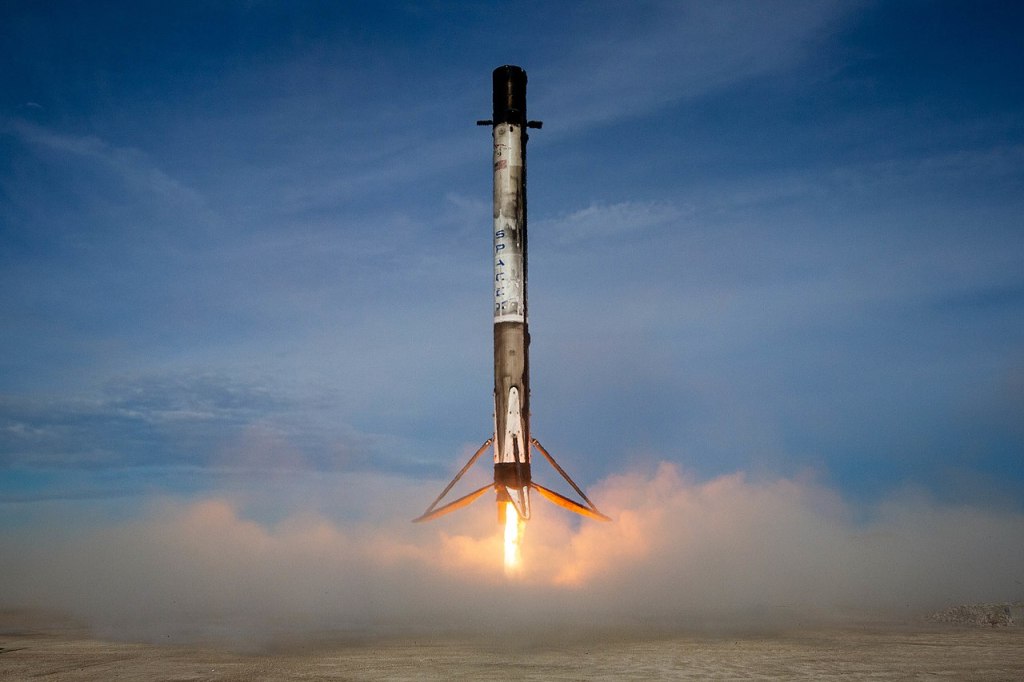
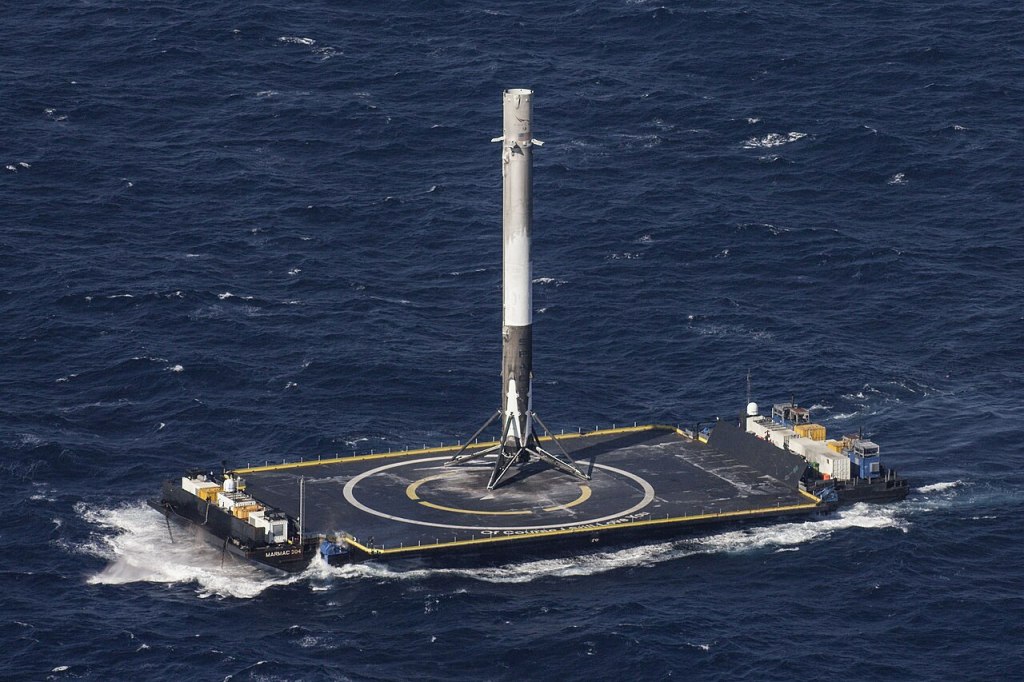
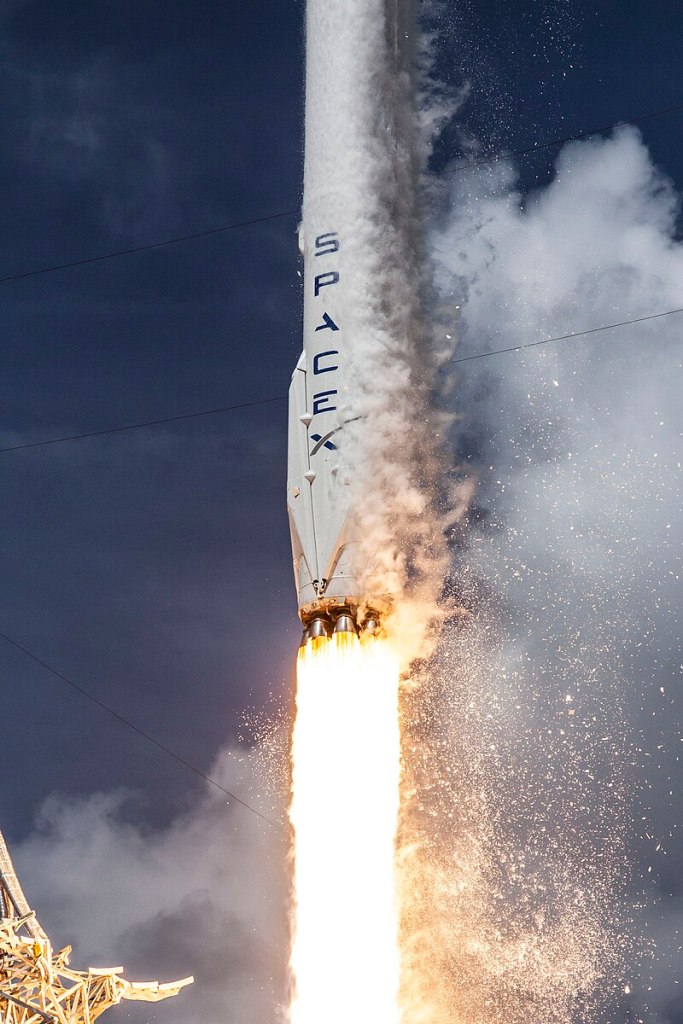
The Falcon 9 rocket, introduced in 2010, has become the workhorse of SpaceX’s launch fleet. Designed for reliability and reusability, Falcon 9’s first stage can land back on Earth, significantly reducing costs. The rocket has successfully launched numerous satellites, resupplied the International Space Station (ISS), and carried astronauts to orbit under NASA’s Commercial Crew Program.
3. Dragon: The First Commercial Spacecraft to Reach the ISS
The Dragon spacecraft, developed by SpaceX, was the first commercial spacecraft to reach the ISS in 2012. Dragon is designed to carry cargo and, later, crew members to low Earth orbit (LEO). Its capabilities have played a crucial role in NASA’s Commercial Resupply Services program, making SpaceX a key partner in international space exploration.
4. Crew Dragon: Pioneering Commercial Human Spaceflight
In May 2020, SpaceX became the first private company to send astronauts to the ISS with its Crew Dragon spacecraft, marking the return of crewed spaceflight from U.S. soil since the Space Shuttle program ended in 2011. This successful mission, known as Demo-2, showcased the potential of private companies in crewed space exploration.
5. Starship: The Future of Space Travel
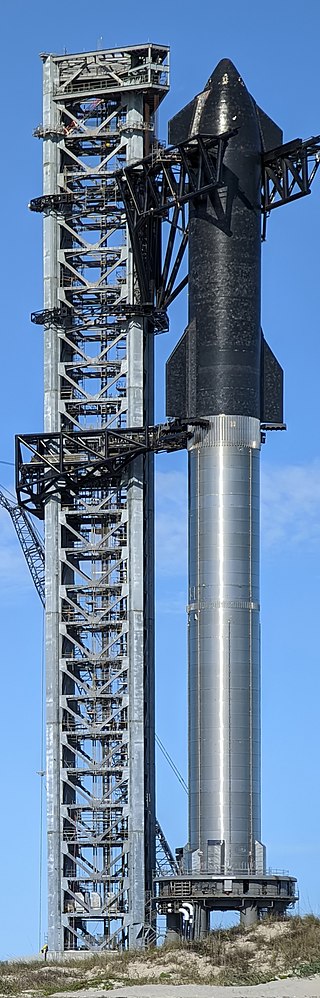
As of late 2023, SpaceX is in the testing phase of Starship, a fully reusable spacecraft intended to carry humans and cargo to destinations including the Moon and Mars. Starship is designed to hold 100 tons of cargo, making it one of the most ambitious projects in aerospace history. Its development is central to Musk’s vision of interplanetary travel and habitation.
Starlink: Bridging the Global Internet Gap
In addition to rocketry, SpaceX has launched the Starlink project, aimed at providing high-speed internet globally via low Earth orbit satellites. As of late 2023, thousands of Starlink satellites have been deployed, and the service is available in many countries, significantly impacting how remote and underserved areas access the internet.
Achievements of SpaceX
SpaceX has reached numerous remarkable milestones that have not only elevated the company but has also transformed the aerospace industry as a whole. Here are some of the key achievements:
1. Successful Orbital Launches
- Falcon 1: Achieved the first successful orbital launch by a privately-funded liquid-fueled rocket on July 4, 2009.
- Falcon 9: Completed numerous successful launches since its debut in 2010, becoming the most frequently flown rocket in history.
2. Reusability of Rockets
- Successfully developed the first reusable rocket with the Falcon 9, enabling the first stage to land back on Earth, which substantially lowers launch costs and increases launch frequency.
3. Commercial Resupply Missions
- Dragon: Became the first commercial spacecraft to deliver cargo to the International Space Station (ISS) in October 2012 and has continued to play a significant role in resupply missions under NASA’s Commercial Resupply Services program.
4. Crewed Spaceflight
- Crew Dragon: Made history in May 2020 as the first private company to send astronauts to the ISS, marking the return of crewed space launches from U.S. soil after almost a decade.
5. Starlink Satellite Constellation
- Launched thousands of Starlink satellites, aiming to provide high-speed internet access globally, particularly benefiting remote and underserved areas.
6. Starship Development
- Currently testing Starship, a fully reusable spacecraft designed for interplanetary missions, with the purpose of carrying humans and cargo to the Moon and Mars.
7. Record Launch Cadence
- Set a record for the most launches in a single year, demonstrating the reliability and efficiency of its fleet.
8. Partnerships and Global Impact
- Established partnerships with government and commercial entities, stimulating growth in the space sector and contributing to the global economy through technology advancements and job creation.
SpaceX’s achievements reflect its commitment to innovation and its pivotal role in shaping the future of space exploration and transportation.
Economic Impact
SpaceX’s innovations have had a profound impact on the aerospace industry and the economy. By dramatically lowering launch costs and increasing the frequency of space flights, SpaceX has spurred competition among other companies, leading to a new era of commercial space exploration. The company has also created thousands of jobs and stimulated research and development in related fields.
Challenges and Controversies
Despite its successes, SpaceX has faced challenges, including the complexities of rocket recovery, regulatory scrutiny regarding its satellite constellation, and the environmental impacts of its launches. The company has worked to address these issues through innovations in technology and engagement with regulatory bodies.
Future Aspirations
Looking ahead, SpaceX aims to continue its role as a leader in space exploration. With ambitious projects like the Artemis program and plans for Mars colonization, the company’s trajectory suggests a continually evolving landscape in aerospace. The success of Starship may redefine how humanity approaches space travel, potentially paving the way for a human presence on Mars by the 2030s.
Conclusion
SpaceX is a transformative force in aerospace, achieving feats once thought possible only by governments. Its relentless pursuit of innovation and cost reduction continues to drive the industry forward, inspiring a new generation of explorers. As SpaceX prepares for its next chapter, the potential for advancements in space travel seems limitless, and the dream of making life multi-planetary is closer than ever to reality.
Hashtags
Here are some relevant hashtags you can use for the content on SpaceX:
- #SpaceX
- #ElonMusk
- #SpaceExploration
- #Aerospace
- #Falcon9
- #Starship
- #Dragon
- #SpaceTravel
- #MarsColonization
- #CommercialSpaceflight
- #Starlink
- #Innovation
- #AerospaceIndustry
- #InterplanetaryTravel
- #Technology
- #FutureOfSpace
Feel free to modify or add to this list based on your audience or focus!










 BoldVoices.in
Leave a comment