
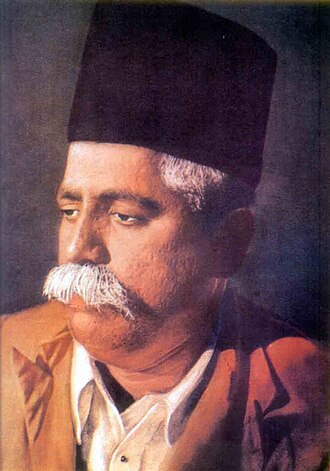
The Rashtriya Swayamsevak Sangh (RSS) is a Hindu nationalist organization based in India, founded in 1925 by K.B. Hedgewar. The organization has played a significant role in shaping the socio-political landscape of India and is one of the largest voluntary organizations in the world.
Objectives and Ideology
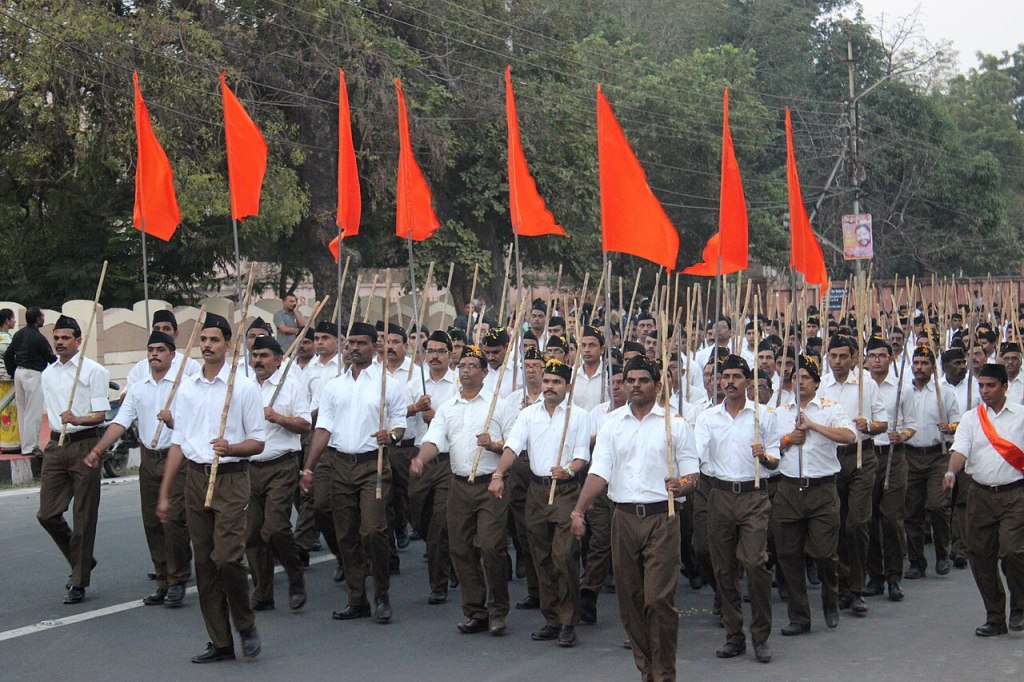
The primary objective of the RSS is to promote Hindu unity and foster a sense of nationalism among Hindus. It seeks to create a “Hindu Rashtra” or Hindu nation, which it envisions as a culturally cohesive and economically sustainable society. The ideology of the RSS is rooted in Hindutva, a term coined by Vinayak Damodar Savarkar, which emphasizes the cultural hegemony of Hindu values.
Structure and Activities
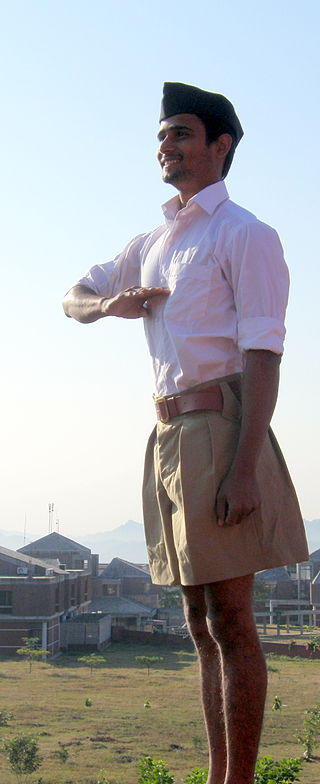
The organizational structure of the RSS is hierarchical, with a central leadership overseeing numerous local branches called “shakhas.” These shakhas meet regularly to conduct physical training, cultural activities, and discussions on national issues. The RSS utilizes grassroots mobilization to engage with the community and has been involved in various social welfare initiatives, including education and healthcare programs.
Shakhas of Rashtriya Swayamsevak Sangh
The “shakhas” are local branches of the Rashtriya Swayamsevak Sangh (RSS) that play a crucial role in its organizational structure. Each shakha serves as a center for community engagement and ideological training, fostering a sense of camaraderie and national pride among its members.
Objectives of Shakhas
The primary objectives of the shakhas include:
- Physical Training: Unlike traditional organizations, shakhas conduct regular physical activities such as yoga, martial arts, and sports to promote fitness and discipline among participants.
- Cultural Activities: Shakhas organize various cultural events, programs, and festivals to instill Hindu values and traditions, helping members connect with their cultural heritage.
- Discussions on National Issues: Members engage in discussions that cover current events, national policies, and social issues. This educates participants and encourages informed dialogue about India’s socio-political landscape.
Structure of Shakhas
Shakhas are typically led by a “shaka pramukh” (branch head) who oversees activities and programs. They can vary in size, often depending on the demographic and interest of the local community. Meetings generally take place in open spaces such as parks or community centers, facilitating easy access for participants.
Community Engagement
Through grassroots mobilization, shakhas reach out to various sections of society, including youth, women, and marginalized communities. This engagement extends beyond ideological training; shakhas often undertake social welfare initiatives, such as:
- Educational programs that aim to uplift underprivileged children.
- Health camps that provide medical aid and awareness campaigns.
- Environmental drives focused on promoting sustainability and cleanliness.
The shakhas of the RSS serve as foundational units within the organization, promoting not just physical fitness and cultural education but also a broader sense of community and national identity among their members. This grassroots presence significantly contributes to the RSS’s influence and its commitment to fostering Hindu unity across India.
Leadership and Member Positions in the Rashtriya Swayamsevak Sangh
The Rashtriya Swayamsevak Sangh (RSS) has a well-defined leadership structure that plays a crucial role in its functioning. Understanding this hierarchy provides insight into how the organization operates and the responsibilities of its members at various levels.
Central Leadership
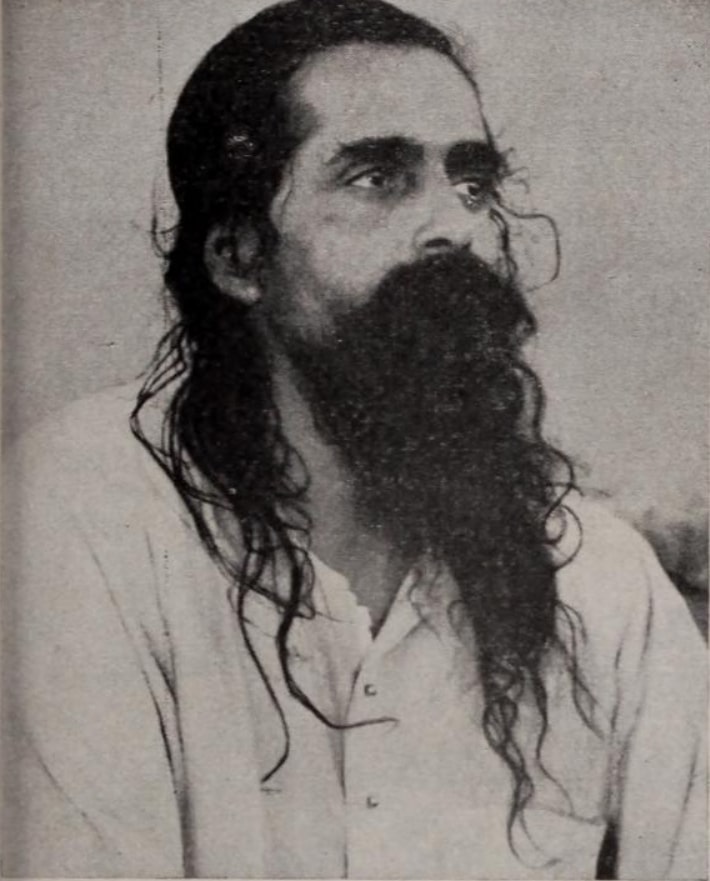
At the top of the hierarchy is the Sarasanghchalak, the supreme leader of the RSS. This position is pivotal, as the Sarasanghchalak oversees the overall vision, direction, and strategic decisions of the organization. This leader is supported by a team of senior leaders known as the Karyakari Mandal, who assist in administrative and operational aspects.
State and Regional Leadership
Below the central leadership are the Prant Pracharaks and Prant Sanghchalaks. Each state (or “prant”) has its own leadership, with the Prant Sanghchalak responsible for coordinating activities across the state. The Prant Pracharaks work alongside the Sanghchalaks to promote the RSS’s ideology and ensure the proper implementation of its policies at the state level.
Local Leadership
The local level is managed by Zila Sanghchalaks (district heads) and Shaka Pramukhs (branch heads). The Zila Sanghchalak oversees the functioning of the RSS in a district, coordinating with various shakhas within the area. The Shaka Pramukh leads the local branch, organizing activities, events, and community engagement initiatives.
Member Positions
Members of the RSS hold various positions based on their involvement and responsibilities:
- Swayamsevaks: The primary members who participate in activities and programs at the shakha level. They engage in physical training, cultural events, and discussions on national issues.
- Karyakarta: A more involved member who may take on specific organizational roles or responsibilities within the shakha or district, helping facilitate services and programs.
- Samanya Swayamsevak: A general member who attends shakha meetings and participates in events but may not hold any designated leadership role.
Volunteer Participation
The RSS also encourages participation from various community segments, which includes youth, women, and professionals. This inclusivity helps to broaden the reach of the RSS and fosters a robust network of volunteers who support its initiatives.
The leadership and member positions within the Rashtriya Swayamsevak Sangh reflect a structured and hierarchical system that emphasizes organization and community engagement. Each level of leadership plays a vital role in the dissemination of RSS ideology and the mobilization of its members across various social and cultural initiatives.
Political Influence
The RSS has an extensive political influence in India, particularly through its political wing, the Bharatiya Janata Party (BJP). The RSS played a vital role in the rise of the BJP as a major political force in the 1980s and 1990s, contributing to its electoral successes. The organization’s sway over the BJP enables it to impact policies and social agendas, advocating for issues important to Hindu society.
The 1975 Emergency and the Rashtriya Swayamsevak Sangh
The 1975 Emergency in India was a significant political event that had far-reaching implications for the country, including the activities and positioning of the Rashtriya Swayamsevak Sangh (RSS).
Background of the Emergency
On June 25, 1975, then-Prime Minister Indira Gandhi declared a state of emergency across India, citing internal disturbances. This period lasted until March 21, 1977, during which civil liberties were suspended, and political dissent was suppressed. The emergency was marked by widespread censorship, detentions of political opponents, and government crackdowns on various organizations.
RSS Response
At the time of the Emergency, the RSS was largely seen as a target for the government’s repression due to its nationalist stance and critiques of the Congress party’s rule. The organization’s leaders were among those who were arrested and detained. Many RSS members actively opposed the government’s actions, engaging in protests and advocating for the restoration of democracy.
Mobilization and Resistance
Despite the restrictions, the RSS sought to mobilize public sentiment against the Emergency. The organization was involved in clandestine efforts to maintain its ideological activities and strengthen grassroots connections within communities. The RSS took a stand by criticizing the authoritarian rule imposed during the Emergency, calling for a return to democratic governance.
Post-Emergency Scenario
The Emergency had lasting effects on Indian politics and the RSS. When the Emergency ended and elections were called in 1977, the Congress party suffered a significant defeat, paving the way for the rise of the Janata Party, a coalition of opposition parties which included several former RSS members.
Growth of Influence
The aftermath of the Emergency allowed the RSS to strengthen its organizational base and expand its reach. The political climate shifting towards an openness to alternatives set the stage for the resurgence of the Bharatiya Janata Party (BJP) in the later years, which was heavily influenced by RSS ideology and activism.
The 1975 Emergency was a critical juncture for the RSS, reinforcing its identity as a proponent of Hindu nationalism and a defender of civil liberties. The organization’s response to the crisis and its subsequent resurgence in the political sphere played a pivotal role in shaping the trajectory of Indian politics in the following decades. Understanding the RSS’s stance during this era provides insight into its ongoing influence in contemporary India.
Controversies and Criticism
The RSS has faced criticism for its perceived exclusionary stance towards minorities, particularly Muslims and Christians. Critics argue that its ideology promotes a divisive narrative that undermines India’s secular framework. Additionally, the organization has been accused of fostering communal tensions in various incidents throughout India’s history.
Conclusion
The Rashtriya Swayamsevak Sangh continues to be a pivotal player in India’s sociopolitical sphere. Its commitment to Hindu nationalism has spurred both fervent support and significant opposition, making it a subject of substantial discussion and debate in contemporary India. Understanding the RSS’s role is crucial to grasping the complexities of Indian society and politics today.
#RSS #HinduNationalism #India #CulturalUnity #Nationalism #Hindutva #Swayamsevak #BJP #Emergency1975 #SocialWelfare #CommunityEngagement #PoliticalInfluence #IndianPolitics #CulturalHeritage #GrassrootsMobilization #Sarasanghchalak #Shaka #VoluntaryOrganization #Controversies #HinduRashtra #UnityInDiversity
Source : Generated with the help of AI Assistant WordPress







 BoldVoices.in
Leave a comment