
Introduction
The National Aeronautics and Space Administration (NASA) has been at the forefront of space exploration, scientific discovery, and technological advancement since its establishment in 1958. This article delves into the history, key missions, technological innovations, and the future of NASA, highlighting its immense contributions to our understanding of the universe.

Historical Background
NASA was formed during the Cold War, a period of intense competition between the United States and the Soviet Union. The Soviet Union’s launch of Sputnik, the first artificial satellite, in 1957 spurred the U.S. government to establish a national agency dedicated to space exploration. NASA’s formation signaled a commitment to scientific research and technological innovation.
Early Missions
NASA’s early missions were characterized by the Mercury and Gemini programs, which laid the groundwork for human spaceflight. The Mercury program, launched in 1959, sought to put the first American in space. On May 5, 1961, Alan Shepard became the first American to travel into space aboard Freedom 7.
Gemini followed in 1962, focusing on developing space travel techniques that would be essential for future lunar missions. The Gemini missions saw astronauts perform spacewalks and rendezvous, leading to significant advances in crewed spaceflight capabilities.
The Apollo Program
The Apollo program was perhaps NASA’s most iconic series of missions, culminating in the first successful manned moon landing on July 20, 1969. Apollo 11, with astronauts Neil Armstrong, Buzz Aldrin, and Michael Collins, accomplished what many believed was an insurmountable feat. Armstrong’s famous words, “That’s one small step for [a] man, one giant leap for mankind,” resonate as a symbol of human achievement.
The Apollo program included a total of 17 missions, with six successful moon landings. Each mission contributed valuable scientific knowledge about the moon and paved the way for future explorations.
Technological Innovations
NASA’s missions have driven technological advancements that extend beyond space exploration. Innovations developed for space missions have found applications in various industries, benefiting society in numerous ways.
Satellite Technology
The launch of satellites has revolutionized communication, weather forecasting, and Earth observation. Technological advancements developed for NASA’s Earth observation satellites contribute to our understanding of climate change, natural disasters, and resource management.
Space Shuttle Program
NASA’s Space Shuttle program, which operated from 1981 to 2011, was a landmark in reusable spacecraft technology. The shuttle carried astronauts and cargo to and from the International Space Station (ISS) and facilitated numerous scientific experiments in low Earth orbit. The program helped build and maintain the ISS, fostering international cooperation in space.
Robotic Exploration
Robotic missions have allowed NASA to explore planets, moons, asteroids, and comets without the risks associated with human spaceflight. Missions such as Voyager, Mars rovers, and the Hubble Space Telescope have provided invaluable data, expanding our understanding of the solar system and beyond.
Notable Missions
NASA has launched many notable missions that demonstrate its commitment to scientific discovery.
Mars Exploration
NASA’s interest in Mars has led to several successful missions, including the Mars Curiosity Rover and Perseverance Rover. These rovers are equipped with advanced scientific instruments to analyze the Martian surface, search for signs of past life, and collect data for future human missions.
Hubble Space Telescope
Launched in 1990, the Hubble Space Telescope has provided unprecedented views of the universe. With its ability to capture images of distant galaxies, nebulae, and exoplanets, Hubble has transformed our understanding of astronomy and cosmology.
Artemis Program
The Artemis program aims to return humans to the Moon by the mid-2020s, with a goal of sustainable exploration and eventual missions to Mars. Artemis II will carry astronauts around the Moon, while Artemis III aims to land the first woman and the next man on the lunar surface. This program signifies a new era of exploration and international collaboration in space.
The Future of NASA
Looking ahead, NASA continues to face exciting challenges and opportunities in space exploration.
Mars Missions
Future missions to Mars are expected to include human landings. NASA’s partnership with private companies aims to develop the technology necessary for sustainable living and exploration on the red planet.
Space Technology Investments
NASA is focused on advancing technology that will enable deep space exploration, including the development of propulsion systems for faster travel and life-support systems for long-duration missions. These advancements are crucial for future missions beyond Mars, potentially leading humanity to explore the moons of Jupiter and Saturn.
Achievements of NASA
NASA has a rich history of groundbreaking achievements that have significantly impacted space exploration, science, and technology. Here are some of the most notable accomplishments of the agency:
1. Human Spaceflight
- Project Mercury: In 1961, NASA successfully sent Alan Shepard into space, marking the United States’ entry into human spaceflight. Mercury laid the foundation for future crewed missions.
- Apollo Moon Landings: The Apollo program, especially Apollo 11 in 1969, is one of NASA’s most famous achievements. Neil Armstrong and Buzz Aldrin became the first humans to set foot on the Moon, completing a monumental leap in human exploration.
2. Robotic Exploration
- Mars Rovers: NASA’s rovers, including Spirit, Opportunity, Curiosity, and Perseverance, have provided invaluable data about the Martian environment, search for signs of past life, and analyze the planet’s geology.
- Voyager Missions: Launched in 1977, Voyager 1 and Voyager 2 have traveled beyond our solar system, sending back data about the outer planets and interstellar space, becoming the farthest human-made objects from Earth.
3. Hubble Space Telescope
Launched in 1990, the Hubble Space Telescope has revolutionized our understanding of the universe. It has provided stunning images and critical data about galaxies, stars, and exoplanets, contributing to major discoveries in astronomy.
4. International Space Station (ISS)
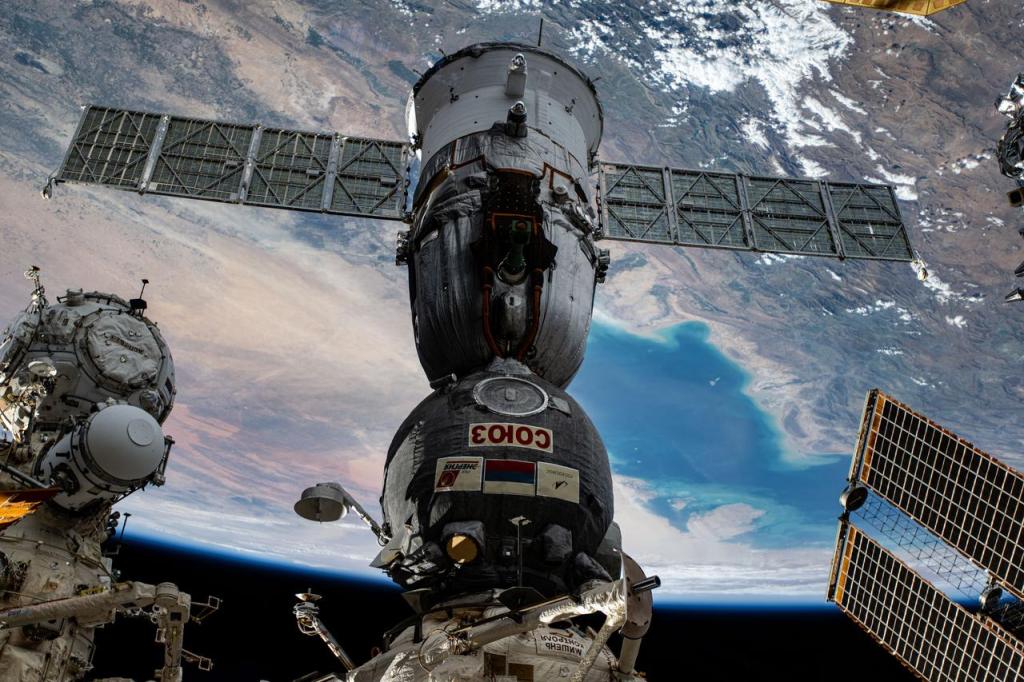
NASA played a vital role in the construction and operation of the ISS, a unique international collaboration that serves as a laboratory for scientific research in microgravity. The ISS has facilitated numerous experiments and fostered partnerships among space agencies worldwide.
5. Climate Science and Earth Observation
NASA has made significant contributions to climate science through its Earth-observing satellites. These instruments monitor changes in the Earth’s climate, track natural disasters, and provide data essential for environmental research and policy-making.
6. Development of Space Technology
- Space Shuttle Program: NASA’s Space Shuttle program (1981-2011) advanced reusable spacecraft technology, enabling the transport of astronauts and payloads to and from space while contributing to the construction of the ISS.
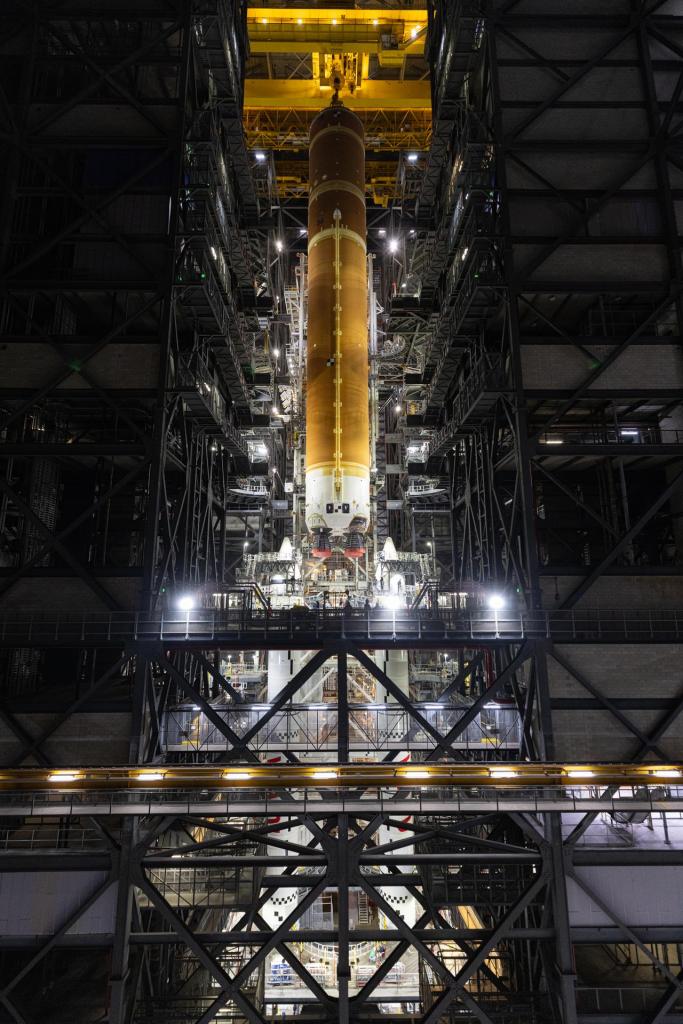
- New Spacecraft: NASA is developing the Artemis program’s Space Launch System (SLS) and Orion spacecraft to return humans to the Moon and eventually explore Mars.
7. Future Exploration Missions
NASA’s Artemis program aims to land humans on the Moon again in the coming years, including the first woman and the next man, while also laying the groundwork for future human missions to Mars. This initiative represents a significant step towards sustainable lunar exploration and deeper space travel.
Conclusion
NASA’s achievements have greatly expanded our understanding of space and our place in the universe. Through its pioneering spirit and innovative technologies, NASA continues to inspire generations and advance the boundaries of scientific knowledge and exploration.
Climate Science
NASA remains committed to understanding Earth’s climate and environmental changes. With comprehensive Earth observing missions, NASA contributes significantly to climate science by providing crucial data to inform policy and protect ecosystems.
Conclusion
NASA has profoundly influenced scientific knowledge and technological development since its inception. From launching the first human into space to exploring distant planets and developing groundbreaking technologies, NASA’s achievements are a testament to human ingenuity and the quest for knowledge. As we look to the future, NASA continues to inspire generations and pave the way for further exploration and discovery in the cosmos, reminding us of the endless possibilities that await beyond our planet.
#NASA #SpaceExploration #ScientificDiscovery #ApolloProgram #MarsExploration #HubbleSpaceTelescope #ArtemisProgram #TechnologicalInnovation #ClimateScience #EarthObservation #RoboticMissions #InternationalSpaceStation #HumanSpaceflight #FutureExploration #SpaceTechnology #Innovation #STEM #SpaceInnovation #ExploreTheUniverse #CosmicDiscovery










 BoldVoices.in
Leave a comment