
Introduction to K-Pop

K-Pop, short for Korean Pop music, has emerged as a global phenomenon, transcending geographical boundaries and cultural barriers. Originating in South Korea, K-Pop integrates a variety of musical styles, including pop, hip-hop, R&B, and electronic dance music. The genre is characterized by its catchy melodies, elaborate choreography, and vibrant aesthetics. The rise of K-Pop has introduced a new wave of diverse artists who have captured the hearts of millions worldwide.
The Rise of BTS
Formation and Early Years
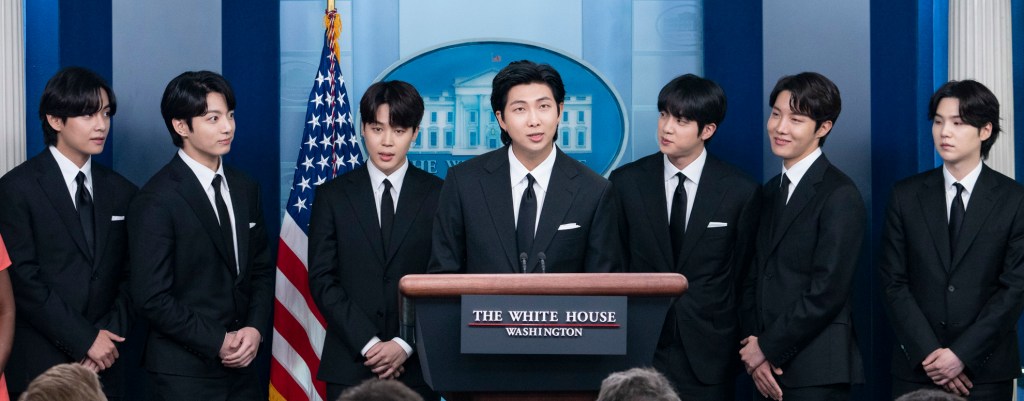
BTS, also known as Bangtan Sonyeondan (Beyond the Scene), debuted in 2013 under Big Hit Entertainment. The group was initially formed as a hip-hop crew, but they quickly evolved their sound and concept to include various genres and themes. Their musical narratives often explore issues of mental health, self-identity, and social commentary, resonating deeply with their audience.
Breakthrough and Global Impact
BTS’s breakthrough came with the release of their album “Wings” in 2016, which peaked on the Billboard 200 chart. Their single “Blood Sweat & Tears” marked a turning point, showcasing their unique sound and artistic direction. With subsequent albums like “Love Yourself: Her,” “Love Yourself: Tear,” and “Map of the Soul: Persona,” BTS achieved unprecedented commercial success. Their powerful fandom, known as ARMY, has played a critical role in their global dominance.
Members of BTS
BTS, also known as Bangtan Sonyeondan, consists of seven talented members who each contribute their unique skills and personalities to the group:
1. RM (Kim Nam-joon)
- Role: Leader, Main Rapper
- Birthdate: September 12, 1994
- Notable Skills: RM is recognized for his exceptional lyrical abilities and fluency in English, which has helped bridge the gap between BTS and international audiences.
2. Jin (Kim Seok-jin)
- Role: Vocalist, Visual
- Birthdate: December 4, 1992
- Notable Skills: Jin is known for his strong vocals and charming visuals. He often showcases his humor through social media and BTS content.
3. Suga (Min Yoon-gi)
- Role: Lead Rapper
- Birthdate: March 9, 1993
- Notable Skills: Suga is renowned for his powerful rap delivery and songwriting. He often shares his perspective on youth and mental health through his music.
4. J-Hope (Jung Ho-seok)
- Role: Main Dancer, Sub Rapper
- Birthdate: February 18, 1994
- Notable Skills: J-Hope is celebrated for his energetic dance skills and vibrant personality. He brings positivity and enthusiasm to the group.
5. Jimin (Park Ji-min)
- Role: Lead Vocalist, Main Dancer
- Birthdate: October 13, 1995
- Notable Skills: Jimin is known for his distinctive vocals and captivating dance performances, often incorporating contemporary and ballet techniques.
6. V (Kim Tae-hyung)
- Role: Vocalist
- Birthdate: December 30, 1995
- Notable Skills: V is recognized for his deep, smooth voice and artistic flair, often showcasing his creativity through photography and visual art.
7. Jungkook (Jeon Jung-kook)
- Role: Main Vocalist, Lead Dancer, Sub Rapper
- Birthdate: September 1, 1997
- Notable Skills: Jungkook is known for his exceptional vocal range and versatility in dance. He has a strong fanbase due to his charisma and talent.
Together, these seven members have created a lasting impact on the music industry and have become symbols of unity and perseverance through their artistry and engagement with fans worldwide.
Controversies Surrounding BTS
While BTS has achieved immense success and has a global fandom, they have also faced controversies throughout their career. Here are some notable instances:
1. Misunderstandings in Lyrics and Messages
Some of BTS’s lyrical content has led to misinterpretations and backlash from different audiences. For example, their song “War of Hormone” faced criticism for its portrayal of gender dynamics, with some claiming it perpetuated toxic masculinity. The group members have often had to clarify their intentions behind the messages in their songs.
2. Cultural Appropriation Accusations
BTS has been accused of cultural appropriation, particularly regarding their fashion choices and music videos. Critics have pointed out instances where elements from other cultures were used without proper acknowledgment. The group has responded by emphasizing their respect for cultural diversity and their intention to promote understanding through their art.
3. Political Statements and Issues
BTS’s involvement in political issues has sparked both support and criticism. For instance, their speech at the United Nations in 2018, where they addressed mental health and self-acceptance, was praised by many but also faced backlash from those who felt celebrities should remain apolitical. Furthermore, their comments related to the historical issue of “comfort women” during World War II have drawn mixed reactions, particularly from different nationalistic perspectives.
4. Fan Behavior and Fandom Dynamics
The behavior of some ARMY members, their dedicated fandom, has occasionally led to controversies. Instances of invasive behavior, like doxxing or excessive online harassment towards critics or other fandoms, have been perceived negatively. BTS has publicly urged their fans to practice kindness and respect towards others, emphasizing the importance of positive fandom culture.
5. Management and Treatment of Idols
There have been ongoing discussions about the pressure and expectations placed on idols in the K-Pop industry, including BTS. Concerns over mental health and the intense scrutiny they face have led to debates about the ethics of idol culture. BTS has been vocal about their experiences, advocating for mental health awareness and self-care.
BTS, like many public figures, has encountered controversies that often reflect broader societal issues. The group’s approach to addressing these challenges—through dialogue and education—demonstrates their commitment to fostering understanding and promoting positive change. Their journey highlights the complexities of fame in the digital age, where every action is magnified and scrutinized.
Historic Achievements
BTS has broken numerous records, including being the first K-Pop group to top the Billboard Hot 100 with their hit “Dynamite.” They have sold millions of albums worldwide and have made history at prestigious awards, including the American Music Awards and Billboard Music Awards. Their influence extends beyond music; they have addressed the United Nations and partnered with UNICEF for their “Love Myself” campaign, promoting self-love and combating violence against children and teenagers.
BLACKPINK: The Queens of K-Pop
Formation and Debut
BLACKPINK, formed by YG Entertainment, made their debut in 2016 with the single album “Square One.” Their unique blend of pop and hip-hop, combined with a strong visual concept, set them apart in the K-Pop landscape. The group’s members—Jisoo, Jennie, Rosé, and Lisa—each bring their talents, enhancing their worldwide appeal.
Members of BLACKPINK
BLACKPINK, known for their powerful performances and strong visual concepts, consists of four talented members, each bringing unique skills and charisma to the group:

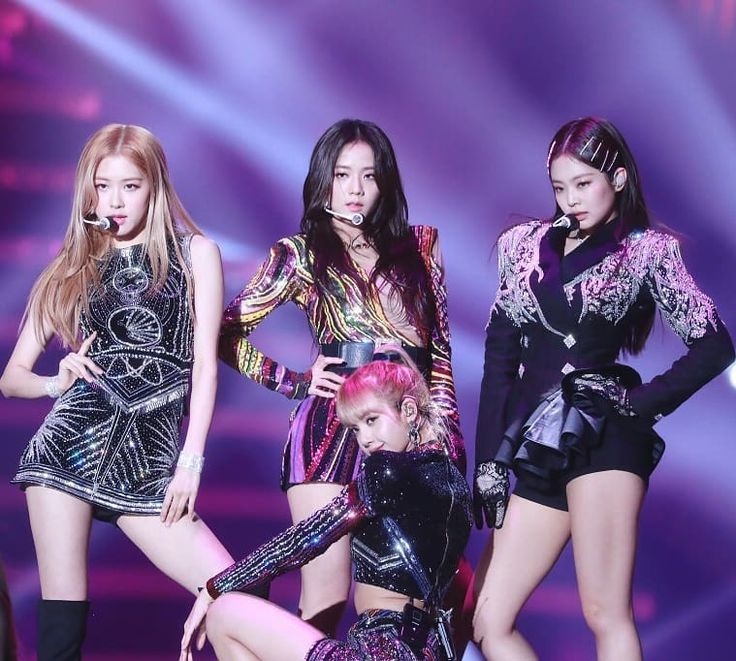

1. Jisoo (Kim Ji-soo)
- Role: Lead Vocalist, Visual
- Birthdate: January 3, 1995
- Notable Skills: Jisoo is known for her strong vocals and captivating stage presence. She excels in both singing and acting, often showcasing her versatility.
2. Jennie (Kim Jennie)
- Role: Main Rapper, Lead Vocalist
- Birthdate: January 16, 1996
- Notable Skills: Jennie is recognized for her powerful rap skills and vocal talent. She has also ventured into solo work, releasing hit singles that highlight her personal style.
3. Rosé (Park Chaeyoung)
- Role: Main Vocalist, Lead Dancer
- Birthdate: February 11, 1997
- Notable Skills: Rosé is celebrated for her distinctive voice and emotional delivery. She brings a unique flair to BLACKPINK’s performances, often incorporating her guitar skills into her solo music.
4. Lisa (Lalisa Manoban)
- Role: Main Dancer, Lead Rapper
- Birthdate: March 27, 1997
- Notable Skills: Lisa is known for her exceptional dance ability and charismatic stage presence. Her rap skills and visual charm have garnered her a massive global following, particularly on social media.
Together, these four members of BLACKPINK have made a significant impact on the music industry and have become symbols of empowerment and confidence in contemporary pop culture.
Global Breakthrough
BLACKPINK’s international acclaim skyrocketed with the release of their song “DDU-DU DDU-DU,” which became a cultural sensation. Their debut studio album, “The Album,” released in 2020, featured collaborations with global artists such as Selena Gomez and Lady Gaga. BLACKPINK’s music videos consistently garner millions of views within hours of their release, underscoring their massive popularity.
Controversies Surrounding BLACKPINK
Despite their immense popularity and success, BLACKPINK, like many other artists in the music industry, has faced controversies throughout their career. Here are some notable instances:
1. Accusations of Cultural Appropriation
BLACKPINK has faced scrutiny for cultural appropriation in some of their music videos and performances. Critics have pointed out that certain elements, particularly in their fashion and choreography, have drawn from various cultures without adequate acknowledgment. The group and their management have maintained that their intent is to celebrate diversity and promote understanding.
2. Music and Aesthetic Criticism
The group has often been criticized for their approach to music and aesthetics, with some accusing them of relying heavily on a manufactured image rather than raw talent. Detractors have argued that their music is overly commercialized and lacks depth, sparking debates about authenticity in the K-Pop industry.
3. Management and Treatment of Idols
Similar to other K-Pop idols, BLACKPINK members have faced pressures and scrutiny from their management, YG Entertainment. Concerns regarding the treatment and well-being of idols in the K-Pop industry have been raised, with fans advocating for better working conditions and mental health support.
4. Fandom Dynamics
While BLACKPINK’s fandom, known as BLINK, is largely supportive and positive, there have been instances of negative behavior within the community. Controversies have arisen from fan wars, particularly with fans of other groups, leading to toxic environments on social media. The members have urged their fans to engage in respectful interactions and to support one another.
5. Delayed Comebacks and Content Releases
BLACKPINK’s sporadic releases and long gaps between comebacks have sparked frustration among fans. Critics have pointed to the group’s limited discography compared to their contemporaries. The delays have been attributed to management decisions and the extensive training period for each member, igniting ongoing discussions about the balance between quality and quantity in K-Pop.
These controversies, while not overshadowing their accomplishments, highlight the complexities BLACKPINK faces as global icons in the K-Pop industry. The group continues to navigate these challenges while focusing on their artistry and connection with fans worldwide.
Historic Achievements
The group made history as the first K-Pop girl group to perform at Coachella in 2019. They have amassed a vast following on social media platforms and are one of the most-streamed female groups on Spotify. BLACKPINK has become a symbol of empowerment, embracing themes of confidence and independence in their music.
The K-Pop Phenomenon
Social Media and Fandom
One of the key elements of K-Pop’s global dominance is the use of social media. Platforms like Twitter, Instagram, and TikTok allow artists to connect with their fanbase on a personal level. The fandom culture in K-Pop is incredibly strong, with fans actively promoting their favorite idols and contributing to chart performance through streaming, voting, and purchasing albums.
Cultural Impact
K-Pop has significantly influenced global pop culture, from fashion trends to beauty standards. The genre has introduced people worldwide to Korean language, culture, and cuisine. Various collaborations between K-Pop artists and Western musicians have fostered cultural exchange and expanded audience reach.
Economic Influence
K-Pop’s economic impact on South Korea is substantial. It has boosted tourism, with fans traveling to Korea for concerts and events. The Hallyu Wave (Korean Wave) has led to increased interest in Korean media, fashion, and lifestyle, contributing to the country’s GDP.
Conclusion
The global dominance of BTS and BLACKPINK epitomizes the rise of K-Pop as a leading genre in the music industry. Their unique artistry, engaging storytelling, and powerful connections with fans have set new standards for musicians worldwide. As K-Pop continues to evolve, it promises to maintain its influence and further its reach, captivating audiences across the globe. The phenomenon that is K-Pop is not just a trend but a lasting cultural movement that has transformed the landscape of music forever.
Hashtags
#KPop #BTS #BLACKPINK #KoreanPop #MusicPhenomenon #GlobalMusic #FanCulture #KPopIdols #MusicIndustry #CulturalImpact #HallyuWave #ARMY #BLINK #KPopHistory #MusicControversies #SocialMediaInfluence #Empowerment #KPopDance #KPopFashion #MusicAchievements










 BoldVoices.in
Leave a comment