
Introduction
The trade relationship between India and China is not only one of the largest but also one of the most complex in the world. With both nations being economic powerhouses, the dynamics of their trade have profound implications for global economic patterns and regional stability. This comprehensive article delves into the historical ties between the two nations, current trading practices, the latest data on trade volumes, key commodities exchanged, the challenges they face, and potential future trends in their trade relationship.
Historical Context
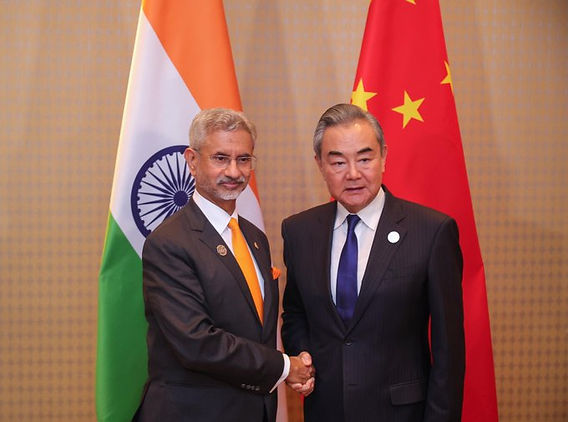
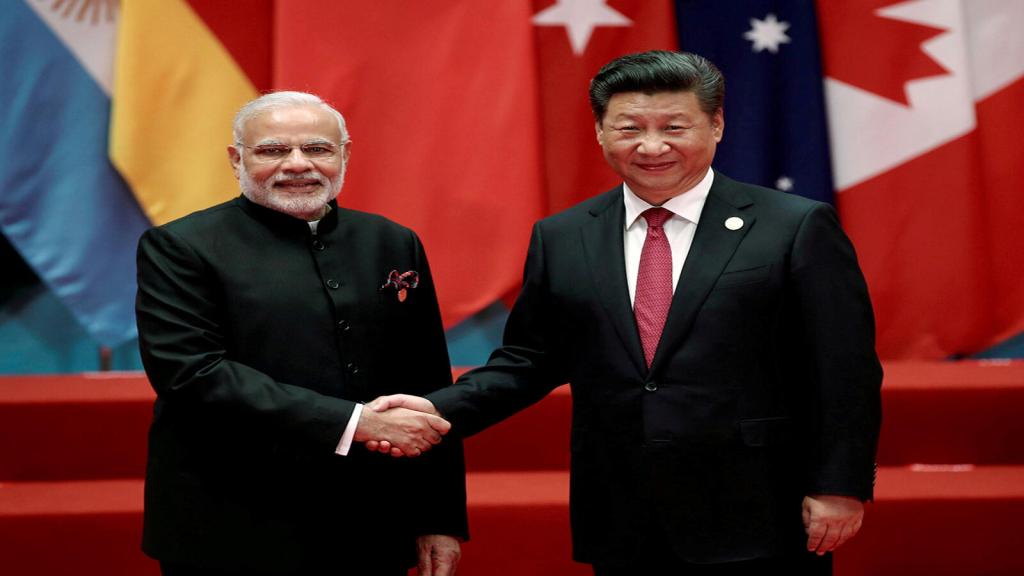
India and China share a long history of trade that dates back to ancient times, characterized by cultural exchanges and the flow of goods along the Silk Road. However, modern trade relations began to formalize post-1947 for India and post-1978 for China, with both countries seeking economic reforms and liberalization.
Following economic reforms in China in 1978 and in India in the 1990s, the trade relations began to flourish. The establishment of the India-China Joint Economic Group in 2001 marked a pivotal step in enhancing economic cooperation. This framework laid the groundwork for increasing trade volumes and fostering mutual dependence.
Current Trade Landscape
As of 2023, despite geopolitical tensions, China remains India’s top trading partner, with trade figures showcasing the immense scale of their economic cooperation. The total trade between India and China in the fiscal year 2022-2023 was around $135 billion, demonstrating a significant recovery and growth trajectory post-pandemic.
Latest Trade Data
According to the Ministry of Commerce and Industry, here are key statistics reflecting the trade dynamics:
- Total Trade Volume (2022-2023): Approximately $135 billion
- India’s Exports to China: About $24 billion
- India’s Imports from China: Roughly $111 billion
- Trade Deficit: India faced a trade deficit of approximately $87 billion with China.
Key Commodities Traded
Exports from India to China
- Raw Materials: India exported around $10 billion worth of iron ore, copper, and aluminum, crucial for supporting China’s booming construction and manufacturing sectors.
- Pharmaceuticals: Exports under this category amounted to nearly $3 billion, with generic medicines and APIs being in high demand in the Chinese market.
- Agricultural Products: Exports of agricultural products like cotton, basmati rice, and spices reached approximately $1.5 billion.
Imports from China to India
- Electronics: This sector continues to dominate imports, accounting for nearly $50 billion, encompassing mobile phones, semiconductors, and consumer electronics.
- Machinery and Equipment: India imported about $20 billion worth of machinery, vital for its industrial growth and infrastructure projects.
- Chemicals: The imports of various chemical products were approximately $18 billion, including fertilizers and industrial chemicals.
Trade Imbalance
The noticeable trade imbalance, which has consistently favored China, raises concerns regarding India’s trade strategies. The trade deficit of approximately $87 billion poses questions about dependency on Chinese products and the need for effective trade policies to mitigate this imbalance.
Challenges and Tensions
The trade relationship is marred by several challenges:
- Geopolitical Tensions: Ongoing border disputes and broader geopolitical rivalries have strained political relations, leading to distrust that impacts trade negotiations and agreements.
- Regulatory Issues: Increased scrutiny and regulatory barriers by India on Chinese goods, particularly in sectors like telecommunications and consumer electronics, can hinder trade flows.
- Supply Chain Vulnerabilities: The COVID-19 pandemic revealed weaknesses in global supply chains, leading to calls for diversification away from reliance on imports from China.
Future Prospects
Despite existing challenges, the future of India-China trade holds considerable promise, driven by the following trends:
- Bilateral Cooperation Initiatives: Both nations can leverage mutual strengths, particularly in sectors like renewable energy, technology transfer, and digital commerce.
- Regional Trade Agreements: Participation in multilateral trade agreements can pave the way for reduced tariffs and enhanced trade facilitation.
- ‘Make in India’ Initiative: India’s focus on boosting domestic manufacturing may reduce dependency on imports. This initiative could lead to collaborations that enhance local production capabilities while still engaging with Chinese technology and raw materials.
Conclusion
The trade relationship between India and China is characterized by a rich history, substantial economic interdependence, and formidable challenges. As both nations navigate these complexities in 2023, fostering a balanced trade relationship will be critical for regional stability and global economic growth. The evolving nature of this partnership will significantly shape not only the economies of these two giants but also the broader economic landscape of Asia and beyond. Embracing cooperation while addressing trade imbalances and geopolitical tensions will determine the trajectory of India-China trade in the coming years.
Hashtags
Here are some relevant hashtags you can use to promote content related to the trade relationship between India and China:
- #IndiaChinaTrade
- #TradeRelations
- #GlobalEconomy
- #EconomicDevelopment
- #BilateralTrade
- #TradeImbalance
- #GeopoliticalTensions
- #SupplyChain
- #MakeInIndia
- #TradeStatistics
- #EconomicCooperation
- #AsiaEconomy
- #InternationalTrade
- #BusinessRelations
- #EmergingMarkets









 BoldVoices.in
Leave a comment