
Introduction
The concept of the Metaverse has transformed from a niche idea in science fiction to a burgeoning digital reality. With advancements in technology, Virtual Reality (VR) has become a centerpiece of this expansive realm. But what exactly is the Metaverse, and how does VR fit into this evolving narrative? This article delves into the intricacies of the Metaverse and VR, exploring their definitions, functionalities, applications, challenges, and future prospects.
What is the Metaverse?
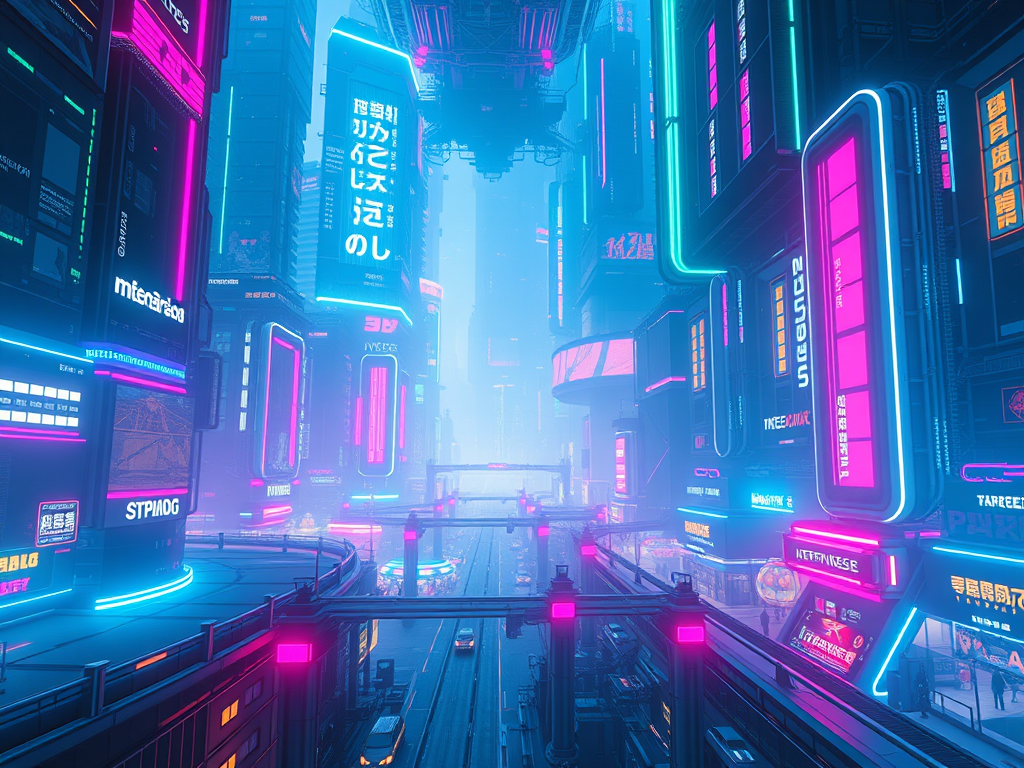
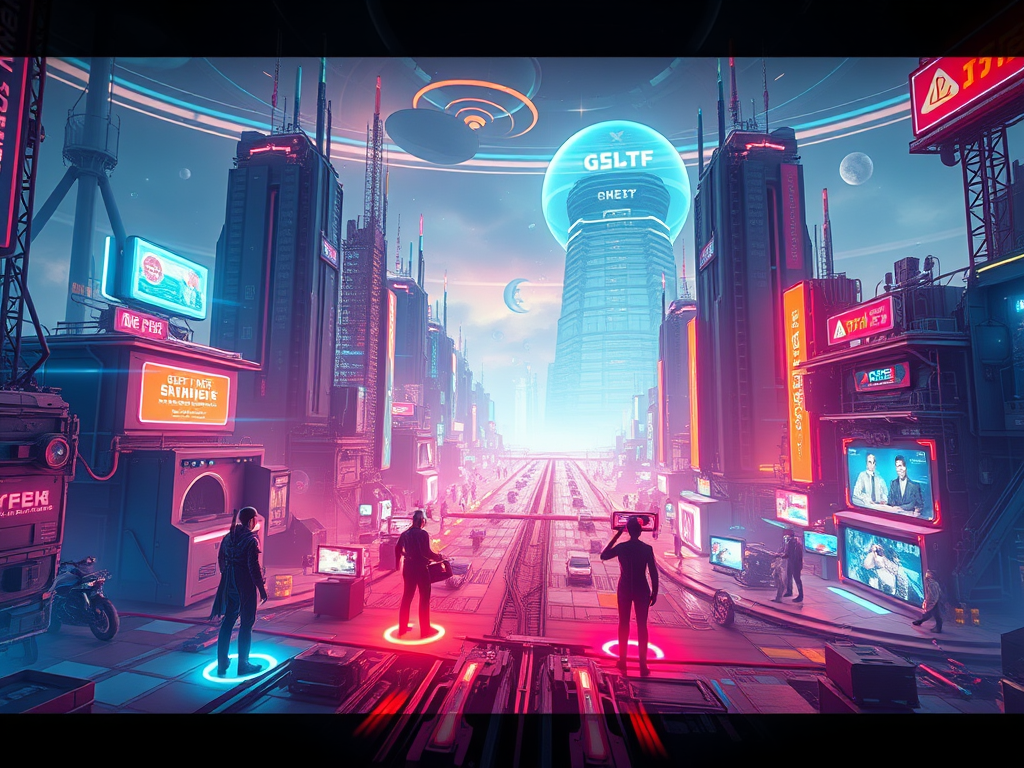
The Metaverse refers to a collective virtual space created by the convergence of virtually enhanced physical reality and physically persistent virtual reality. It encompasses a vast network of 3D virtual worlds and environments where users can interact with each other and digital objects in real-time. The term gained widespread popularity through literature and media, particularly in the novel “Snow Crash” by Neal Stephenson and later in “Ready Player One” by Ernest Cline.
Key Features of the Metaverse
- Persistence: Unlike traditional games, the Metaverse continues to exist and evolves when users log off.
- Interoperability: Different platforms within the Metaverse can communicate with one another, allowing users to move assets and information seamlessly.
- User-Generated Content: Users can create and contribute their own content, enriching the Metaverse continually.
- Real-Time Interaction: Users can communicate and interact with others globally, creating a social space that mimics real-world interactions.
- Immersive Experience: The Metaverse integrates various technologies such as VR, Augmented Reality (AR), and mixed reality to create engaging experiences.
Understanding Virtual Reality
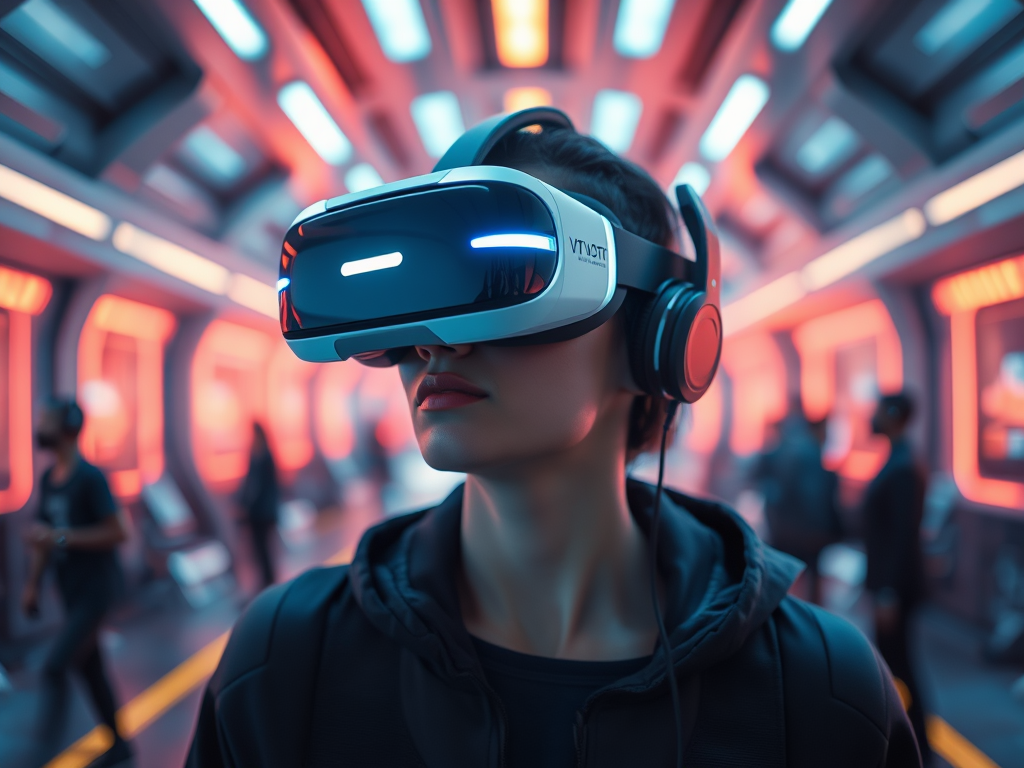
Virtual Reality is a computer-generated environment that simulates a realistic experience. It uses VR hardware, such as headsets and motion controllers, to immerse users in a 3D world where they can interact with the environment and its elements.
Components of Virtual Reality
- Hardware: This includes VR headsets (like Oculus Rift, HTC Vive, and PlayStation VR), motion sensors, gloves, and even treadmills designed for full immersion.
- Software: Applications and platforms that enable the creation and interaction within virtual environments, including games, simulations, and social experiences.
- Content Creation: Developers use programming languages and tools to design and build VR experiences, making the virtual world dynamic and engaging.
How VR Works
VR creates an illusion of being present in a virtual environment. Through visual and auditory stimulation, it tricks the brain into accepting the virtual space as reality. The headsets provide a 360-degree view, while motion sensors track the user’s movements, allowing them to explore the virtual world naturally.
Applications of the Metaverse and VR
1. Gaming
The gaming industry is the most significant beneficiary of VR technology. Games in the Metaverse allow players to engage in immersive experiences, leading to enhanced gameplay. Titles like “Beat Saber” and “Rec Room” exemplify how VR can elevate gaming to a new level of interactivity and engagement.
2. Social Interaction
The Metaverse serves as a social platform where users can meet, socialize, and participate in events. VRChat and Facebook Horizon are examples of platforms where users can create avatars, attend virtual events, and engage in discussions in real-time.
3. Education and Training
VR is revolutionizing education by providing immersive learning experiences. It allows students to explore historical sites, conduct experiments, or practice skills in a safe, controlled environment. Medical professionals can train for surgeries in VR simulations, significantly reducing the risk involved in real-life scenarios.
4. Business and Collaboration
In the business sector, companies use VR for training, simulations, and virtual meetings. Tools like Spatial and Microsoft Mesh facilitate dynamic collaboration, enabling teams to meet and interact in a 3D space, regardless of their physical location.
5. Art and Creativity
Artists are embracing the Metaverse to showcase their work, create virtual galleries, and even collaborate on projects. Platforms like Cryptovoxels and Decentraland allow artists to display and sell digital art in immersive environments.
Challenges Facing the Metaverse and VR
Despite the promising potential, there are several challenges:
1. Technical Limitations
Current VR technology is still evolving. Limitations in graphics quality, processing power, and latency can hinder user experiences. Additionally, the requirement for high-end hardware can restrict accessibility.
2. Privacy and Security
As users navigate the Metaverse, they leave digital footprints that raise concerns about privacy. Ensuring data protection and mitigating fraudulent activities will be essential as the Metaverse grows.
3. Digital Divide
Not everyone has access to the technology necessary to experience the Metaverse. Bridging the gap between those with and without access to VR technology is crucial for equitable participation.
4. Regulation and Governance
The decentralized nature of the Metaverse raises questions about governance. Establishing rules, rights, and responsibilities within these digital spaces will be a complex task for stakeholders.
The Future of the Metaverse and VR
Looking ahead, the Metaverse and VR are poised for significant growth. With advancements in hardware, software, and connectivity, the potential to create even more immersive and interactive experiences is vast. Businesses will increasingly recognize the Metaverse as a tool for innovation, engaging customers in ways never before imagined.
Emerging Trends
- Cross-Platform Practices: As the desire for interoperability grows, platforms will need to develop standards that allow assets to move seamlessly across different environments.
- Emphasis on Experiences: From virtual concerts to art exhibitions, experiential engagements will define how users interact within the Metaverse.
- AI and Machine Learning: Enhanced algorithms can create more realistic environments, adapt to user behavior, and personalize experiences.
Conclusion
The Metaverse and VR are redefining the boundaries of digital spaces, offering unprecedented opportunities for interaction, creativity, and learning. As technology continues to develop, so too will the experiences available within the Metaverse. It is crucial for stakeholders—including developers, businesses, and users—to navigate this evolving landscape thoughtfully and responsibly, ensuring a balanced and inclusive digital future.
Hashtags
Here are some relevant hashtags to consider for your article on the Metaverse and Virtual Reality:
- #Metaverse
- #VirtualReality
- #VR
- #AugmentedReality
- #Gaming
- #DigitalArt
- #ImmersiveExperience
- #TechInnovation
- #DigitalTransformation
- #FutureOfWork
- #EdTech
- #SocialInteraction
- #Privacy
- #AI
- #Web3
Feel free to use or modify these hashtags to suit your content needs!










 BoldVoices.in
Leave a comment