
Introduction
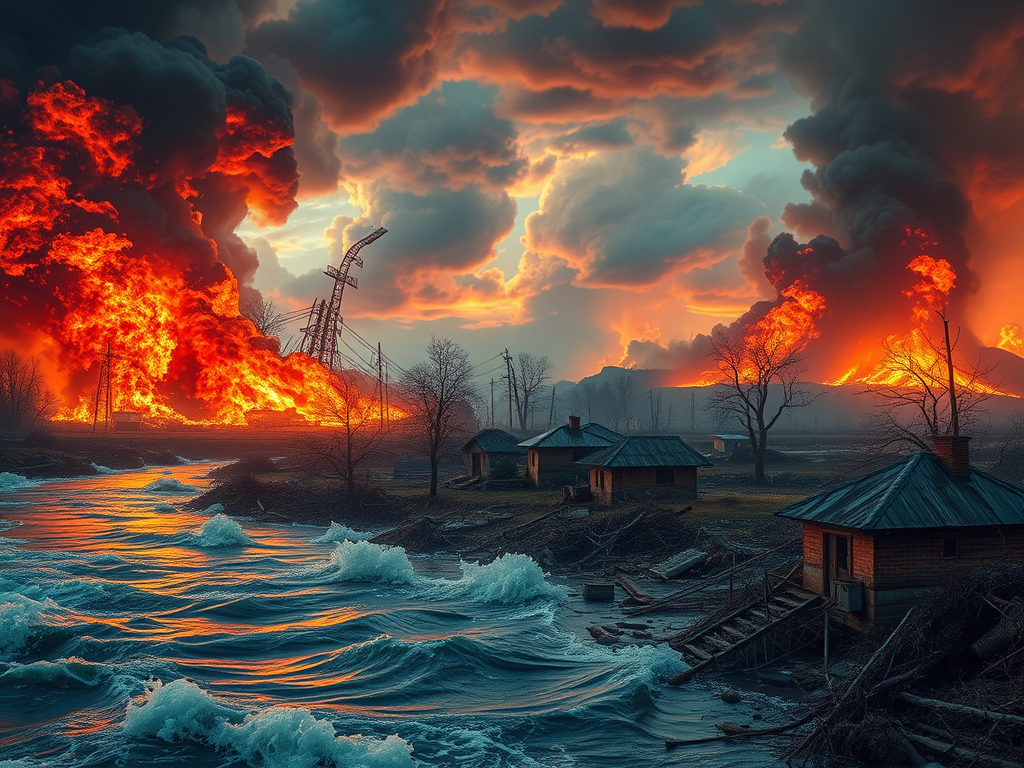
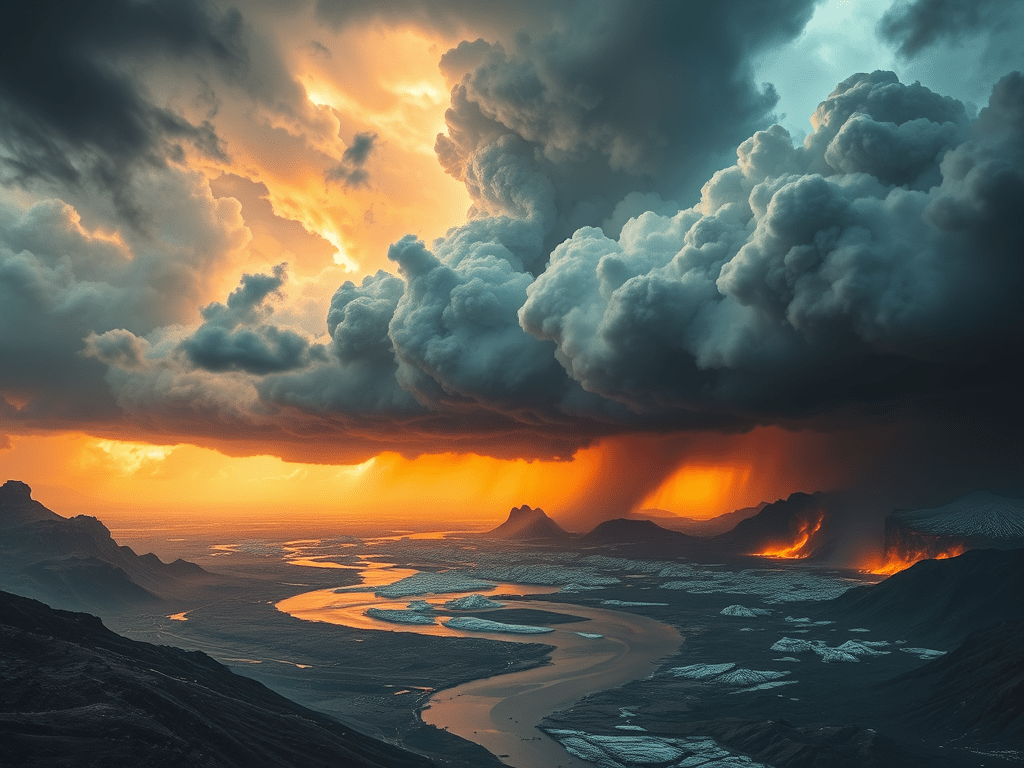
Climate change, a fundamental alteration in global climate patterns, is driven largely by increased greenhouse gas emissions from human activities. Its effects are profound, contributing to extreme weather events and altering ecosystems, which in turn heighten the frequency and intensity of natural disasters. This article explores the intricate relationship between climate change and various forms of natural disasters, examining how shifting climate conditions exacerbate these events and the implications for society.
Understanding Climate Change
Causes of Climate Change
- Greenhouse Gas Emissions: Primarily from burning fossil fuels, deforestation, and industrial processes, these gases trap heat in the atmosphere.
- Deforestation: The removal of forests decreases the planet’s capacity to absorb CO2, further amplifying global warming.
- Agricultural Practices: Emissions from livestock and fertilizers contribute to methane and nitrous oxide levels, potent greenhouse gases.
- Industrial Activities: Factories and power plants release vast amounts of CO2 and other pollutants.
Effects of Climate Change
- Rising Temperatures: Global temperatures are rising, leading to heatwaves and affecting global precipitation patterns.
- Melting Ice Caps and Glaciers: This results in rising sea levels, threatening coastal communities.
- Ocean Acidification: Increased CO2 levels lead to more acidic oceans, impacting marine life.
The Connection Between Climate Change and Natural Disasters
Extreme Weather Events
- Hurricanes and Typhoons: Warmer ocean waters can intensify storm systems, leading to more destructive hurricanes. For instance, Hurricane Katrina (2005) exemplifies how warmer waters contribute to increased storm intensity.
- Flooding: Changes in rainfall patterns can lead to more severe flooding. Areas that typically experience moderate rainfall may face unprecedented storms, while drought-prone regions may suffer from flash floods due to rapid runoff.
- Droughts: Prolonged periods of heat and diminished rainfall can create severe droughts, which have devastating effects on agriculture and water supplies. The 2010 Russia heatwave was linked to a significant drought that affected wheat production.
Wildfires
With rising temperatures and prolonged dry spells, wildfires have become more frequent and intense. The 2020 wildfires in Australia and California underscored this trend, causing loss of life, destruction of habitats, and significant economic impact. Climate change enhances the conditions conducive to wildfires through increased heat and dry vegetation.
Other Natural Disasters
- Landslides: Heavy rainfall from climate-related storms can lead to instability in slopes, resulting in landslides.
- Tornadoes: While tornadoes are linked to complex meteorological conditions, climate change may influence their frequency through altered weather patterns.
Societal Impacts
Economic Consequences
The economic implications of natural disasters intensified by climate change are staggering. The costs associated with damage to infrastructure, loss of productivity, and disaster response can strain economies. For example, Hurricane Harvey (2017) incurred damages exceeding $125 billion.
Human Displacement
Natural disasters often force individuals to evacuate their homes, leading to internal and external displacement. Climate change is projected to displace millions of people by 2050, creating “climate refugees” who seek safety and stability elsewhere.
Health Risks
Increased frequency of natural disasters results in heightened health risks, including injuries, diseases, and mental health issues stemming from disaster stress. Flooding can contaminate water supplies, leading to outbreaks of waterborne diseases, while heatwaves can exacerbate health conditions.
List of Natural Disasters Across the World
Natural disasters can take many forms, resulting from various environmental factors. Here’s a list categorized by type:
Earthquakes
- Haiti Earthquake (2010): A devastating earthquake struck near Port-au-Prince, resulting in significant loss of life and property damage.
- Japan Earthquake and Tsunami (2011): This disaster caused widespread destruction, including the Fukushima nuclear disaster.
Hurricanes/Typhoons
- Hurricane Katrina (2005): One of the most catastrophic hurricanes in U.S. history, impacting New Orleans and surrounding areas.
- Typhoon Haiyan (2013): Struck the Philippines with devastating winds and storm surge, leading to thousands of fatalities.
Floods
- Bangladesh Floods (1998): Major flooding affected approximately 30 million people, causing widespread destruction.
- European Floods (2021): Severe flooding across Western Europe, particularly in Germany and Belgium, led to numerous casualties and destruction.
Droughts
- The Dust Bowl (1930s, USA): A series of severe droughts in the American Midwest that led to massive agricultural failure and migration.
- Ethiopian Drought (2011): A prolonged drought led to significant food shortages, affecting millions.
Wildfires
- Australian Bushfires (2019-2020): Widespread wildfires swept across Australia, resulting in significant wildlife loss and property damage.
- California Wildfires (2020): Intense wildfire seasons have become common, causing destruction across the state.
Tsunamis
- Indian Ocean Tsunami (2004): Triggered by a powerful earthquake off the coast of Sumatra, it impacted multiple countries and resulted in massive casualties.
- Tsunami in Japan (2011): Followed the magnitude 9.0 earthquake, causing extensive damage and triggering the Fukushima disaster.
Volcanic Eruptions
- Mount St. Helens (1980, USA): A major eruption that significantly altered the surrounding landscape.
- Krakatoa Eruption (1883): A catastrophic eruption in Indonesia that resulted in massive loss of life and tsunamis.
Landslides
- Guatape Landslide (2017): A major landslide in Colombia caused significant fatalities and damage.
- Gorkha Landslide (2015, Nepal): Triggered by an earthquake, resulting in extensive destruction and loss of life.
Tornadoes
- Joplin Tornado (2011, USA): One of the deadliest tornadoes in American history, causing extensive damage in Joplin, Missouri.
- Tri-State Tornado (1925, USA): The deadliest tornado in U.S. history, affecting parts of Missouri, Illinois, and Indiana.
This list highlights just a few of the many natural disasters that occur globally, showcasing the variety of threats posed by natural phenomena.
Adaptation and Mitigation Strategies
Community Resilience
Building community resilience is essential in adapting to the changing climate. This can include investing in infrastructure improvements, such as better drainage systems, and creating emergency preparedness plans.
Policy Measures
Implementing policies that restrict greenhouse gas emissions and promote renewable energy sources is crucial. International agreements, such as the Paris Agreement, aim to limit global warming and encourage sustainable practices.
Technological Innovations
Advancements in technology can facilitate solutions in addressing climate change. Innovations such as carbon capture and storage, renewable energy techniques, and climate modeling can play significant roles in mitigation efforts.
Conclusion
The ongoing threat of climate change to natural disasters presents a substantial challenge for humanity. Without concerted global efforts to mitigate its effects and adapt to changing conditions, the frequency and intensity of natural disasters will likely escalate, impacting ecosystems, economies, and communities worldwide. Understanding this relationship is essential to fostering a more resilient future, ensuring preparedness and response strategies are in place to protect both human lives and the environment. It is imperative that society acts now to curb emissions and promote sustainability for the generations to come.
By comprehensively addressing the multifaceted issues surrounding climate change and natural disasters, we can better equip ourselves to understand and confront the challenges ahead.
Suggested Hashtags
- #ClimateChange
- #NaturalDisasters
- #Sustainability
- #GlobalWarming
- #Resilience
- #EnvironmentalImpact
- #ClimateAction
- #DisasterPreparedness
- #EcosystemHealth
- #GreenhouseGases
- #RenewableEnergy
- #AdaptationStrategies
- #ClimateRefugees
- #ExtremeWeather
- #Wildfires










 BoldVoices.in
Leave a comment