
Introduction
The China-Pakistan Economic Corridor (CPEC) is a flagship project of China’s Belt and Road Initiative (BRI), aimed at enhancing connectivity between China and Pakistan through a network of infrastructure developments including roads, railways, and energy projects. This ambitious plan seeks to strengthen Pakistan’s economy while also assisting China in facilitating trade routes, thereby solidifying regional connectivity and economic integration.
Historical Context
Historically, China and Pakistan have maintained strong diplomatic ties, marked by mutual agreements in trade, military cooperation, and infrastructural development. The idea of CPEC emerged from earlier cooperation, particularly from the 2013 agreement between China and Pakistan aimed at investing in Pakistan’s renewable energy and transportation infrastructure. The solid foundation of trust and collaboration between the two countries has been instrumental in driving this project forward.
Key Components of CPEC
- Infrastructure Development
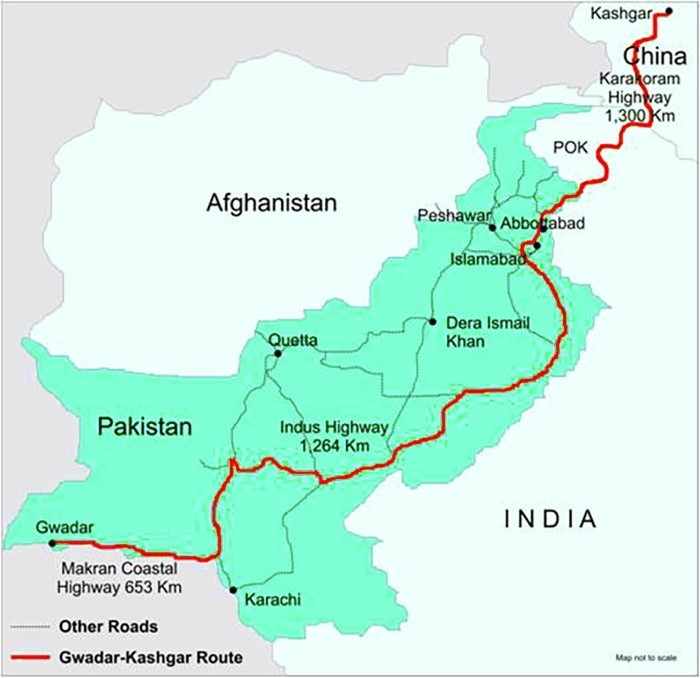
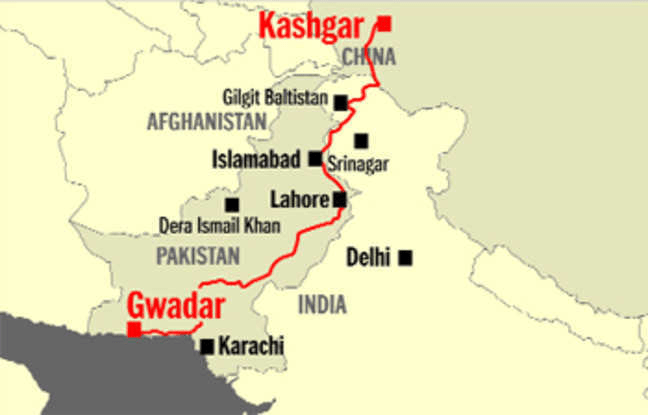
- Road Networks: One of the most significant components is the development of the Karakoram Highway (KKH) and new routes that connect Gwadar Port to various northeastern provinces of China. This road network is critical in reducing travel time and enhancing trade efficiencies.
- Railway Projects: Expansion and modernization of Pakistan’s railway system are planned to improve freight transport capabilities, connecting major cities and industrial hubs with Gwadar and, ultimately, with China.
- Energy Projects
- CPEC aims to alleviate Pakistan’s energy crisis through the construction of power plants, predominantly utilizing coal, renewable energy sources, and hydropower. Projects under CPEC include the Thar Coal Power Project and the Quaid-e-Azam Solar Park.
- Economic Zones
- The establishment of Special Economic Zones (SEZs) is significant for promoting industrialization in Pakistan. These zones will attract investment and provide jobs, supporting economic growth and development.
- Gwadar Port Development
- Gwadar, located on the southwestern coast of Pakistan, is central to CPEC. This deep-sea port is intended to become a commercial hub, facilitating trade and maritime transportation. Its development includes port facilities, maintenance, and capacity enhancements to handle increasing trade volumes.
Benefits of CPEC
- Economic Growth:
- CPEC is projected to enhance Pakistan’s GDP significantly. With investment influx, job creation, and enhanced connectivity, the overall economic landscape of the country is expected to grow.
- Job Creation:
- The implementation of various projects is anticipated to create millions of jobs, addressing unemployment issues, especially among the youth.
- Improved Infrastructure:
- Enhanced infrastructure will not only benefit trade but also improve daily life for Pakistani citizens, providing better access to services and enhancing overall quality of life.
- Regional Connectivity:
- CPEC is a bridge connecting Central Asia, the Middle East, and the Indian Ocean. Improving connectivity can lead to increased trade opportunities and collaborative economic growth in the region.
Challenges Faced by CPEC
- Political Instability:
- Political unrest in Pakistan can pose significant risks to project completion. Continuous government changes and policy shifts may impact the stability and continuity of CPEC projects.
- Security Concerns:
- The security of Chinese workers and assets has been a major concern, as several incidents of violence against Chinese nationals have occurred. Adequate security measures are crucial for the safety of all parties involved.
- Financial and Debt Risks:
- The heavy borrowing by Pakistan to fund CPEC projects raises concerns about long-term debt sustainability. Critics argue that this could lead to dependency on China.
- Environmental Concerns:
- Many projects can pose severe ecological threats, including deforestation and pollution. A balanced approach to development that considers environmental impacts is necessary to mitigate these issues.
International Reactions
CPEC has garnered varied reactions from different international players. While China and Pakistan praise it as a transformative development project for economic cooperation, other countries, particularly India and the United States, view it with skepticism. India’s concerns arise from territorial disputes and the inclusion of areas in Gilgit-Baltistan within the CPEC framework. The U.S. has also expressed concerns regarding China’s increasing influence in South Asia and the potential military implications of the corridor.
Future Prospects
As CPEC continues to advance, several factors will determine its success. The ability to resolve internal challenges, ensure stakeholder engagement, and attract foreign investments beyond China will shape its trajectory. Additionally, international dynamics and regional cooperation will play a significant role in enhancing or hindering CPEC’s potential.
Conclusion
The China-Pakistan Economic Corridor represents a monumental step towards economic integration and growth in Pakistan, as well as a strategic move for China in expanding its influence in the region. While it faces challenges, the potential benefits in terms of infrastructure, energy security, and economic development mark it as a crucial initiative for both nations. As CPEC continues to unfold, it will play a pivotal role in shaping the economic landscape of Pakistan and the broader South Asian region.
References
- A comprehensive review of the implications of CPEC on regional economy and infrastructure.
- Studies analyzing the geopolitical context of CPEC within South Asian dynamics.
- Reports on the progress and challenges faced in the implementation of CPEC projects.
Hashtags
#CPEC #ChinaPakistanEconomicCorridor #BeltAndRoadInitiative #InfrastructureDevelopment #EconomicGrowth #GwadarPort #EnergyProjects #SpecialEconomicZones #RegionalConnectivity #Investment #JobCreation #PoliticalStability #SecurityConcerns #EnvironmentalImpact #SouthAsia #Geopolitics









 BoldVoices.in
Leave a comment