
Introduction
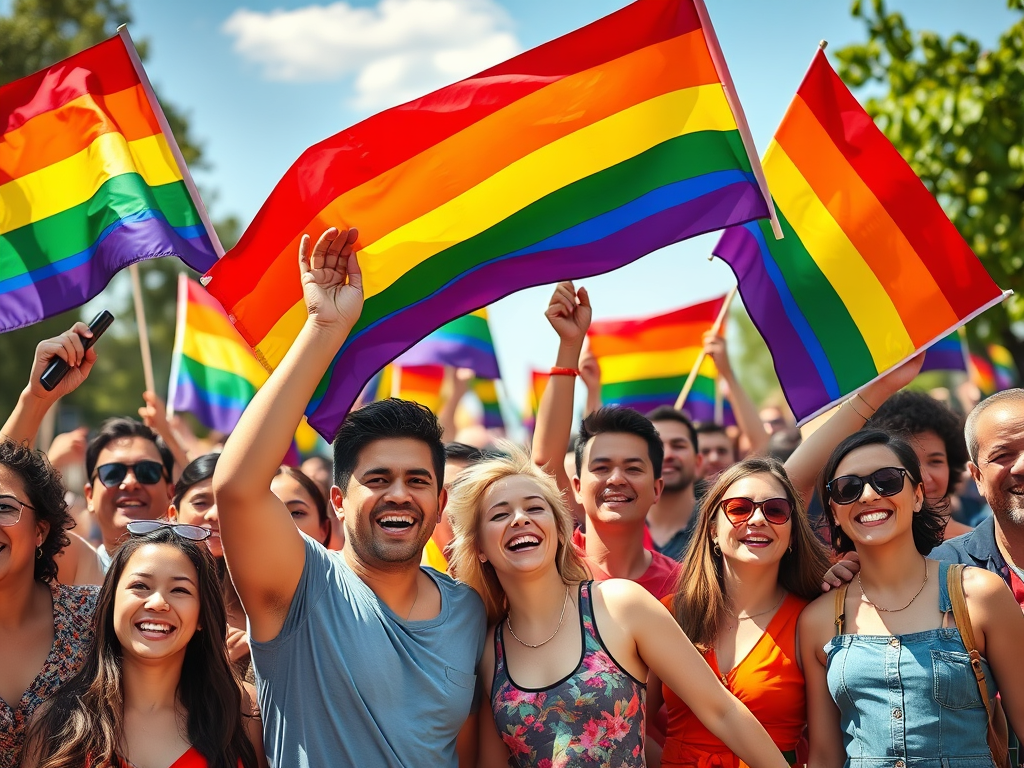
The LGBTQ+ community encompasses a diverse range of identities, each with its unique experiences and challenges. As society evolves, so too must our understanding and appreciation of these differences. Changing the perspective on LGBTQ+ lives involves moving beyond stereotypes, embracing inclusivity, and fostering empathy. This article aims to explore various facets of LGBTQ+ experiences, the importance of representation, and the need for allyship in creating a more accepting world.
Understanding LGBTQ+ Terminology
To effectively discuss LGBTQ+ topics, it is essential to have a grasp of the terminology used within the community. LGBTQ+ stands for:
- Lesbian: Women who are attracted to other women.
- Gay: Generally refers to men attracted to men, though it can also encompass women.
- Bisexual: Individuals attracted to both men and women.
- Transgender: People whose gender identity differs from the sex they were assigned at birth.
- Queer/Questioning: Queer is an umbrella term for sexual and gender minorities that are not heterosexual or cisgender. Questioning refers to those exploring their sexual orientation or gender identity.
- +: Represents other sexual orientations and gender identities not specifically covered by the acronym, including non-binary, genderqueer, intersex, asexual, and more.
Understanding these terms is crucial in promoting accurate representations and respectful conversations about LGBTQ+ individuals.
Historical Context
The LGBTQ+ community has faced discrimination and marginalization throughout history. From the criminalization of same-sex relationships to the AIDS crisis in the 1980s, the journey toward acceptance has been fraught with challenges. The Stonewall riots of 1969 marked a significant turning point, igniting the modern LGBTQ+ rights movement. These events serve as a reminder of the resilience of the community and the ongoing struggle for equality.
The Importance of Representation
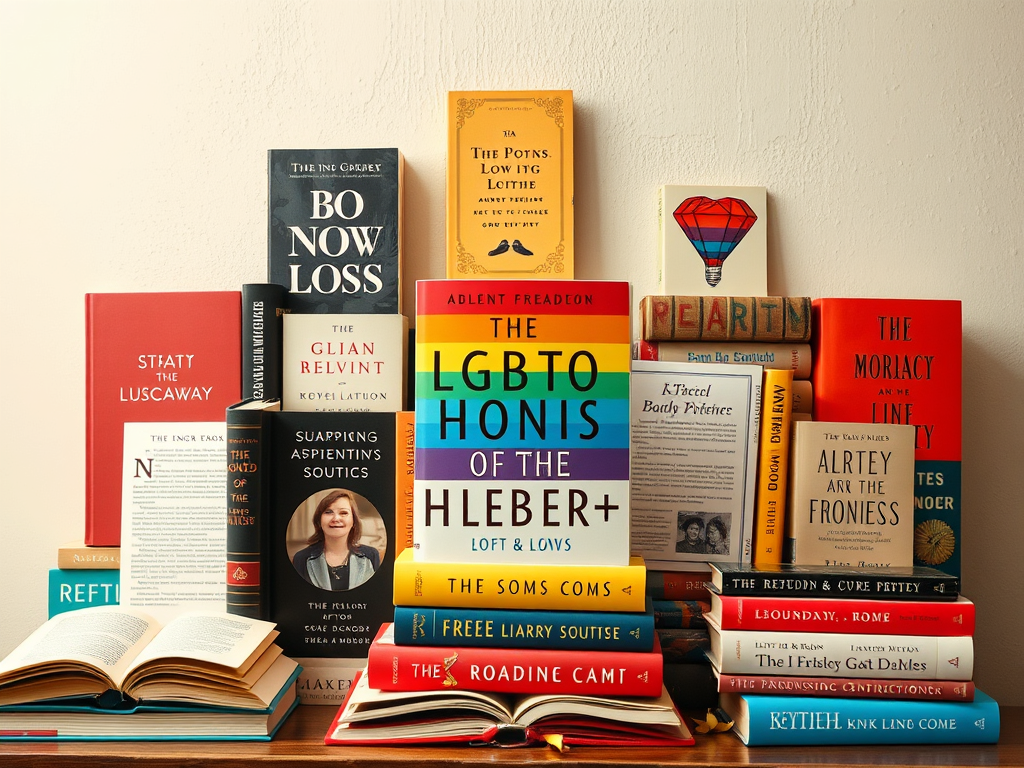
Representation matters. When individuals see themselves reflected in media, literature, and leadership, they feel validated and understood. However, LGBTQ+ representation has often been flawed, with characters relegated to stereotypes or tragic narratives.
Media Representation
Positive media representation can foster acceptance and understanding. Shows like “Pose,” “Schitt’s Creek,” and films like “Moonlight” and “Portrait of a Lady on Fire” depict LGBTQ+ characters with depth and complexity, showcasing their triumphs and struggles. Accurate representation challenges societal norms and provides a platform for diverse voices.
Literary Contributions
Literature has long been a space for LGBTQ+ individuals to share their stories. From the works of James Baldwin and Audre Lorde to contemporary authors like Ocean Vuong and Becky Albertalli, literature offers insight into the lived experiences of LGBTQ+ individuals. By reading these narratives, allies can cultivate empathy and understanding.
The Challenges Faced by LGBTQ+ Individuals
Despite progress, LGBTQ+ individuals continue to face discrimination and prejudice in various aspects of life:
In the Workplace
Many LGBTQ+ individuals experience workplace discrimination, which can affect their career advancement and mental health. Despite legal protections in many countries, the fear of being outed or facing harassment can hinder success and overall well-being.
In Healthcare
Barriers to healthcare access remain a critical issue for LGBTQ+ communities. Discrimination from healthcare providers, lack of appropriate resources, and the inability to discuss sexual orientation or gender identity can prevent individuals from receiving adequate care.
In Education
LGBTQ+ youth often face bullying and harassment in school, leading to higher rates of mental health issues and dropout rates. Inclusive curriculums that represent diverse identities can create safer environments for all students.
Allyship: Being a Supportive Advocate
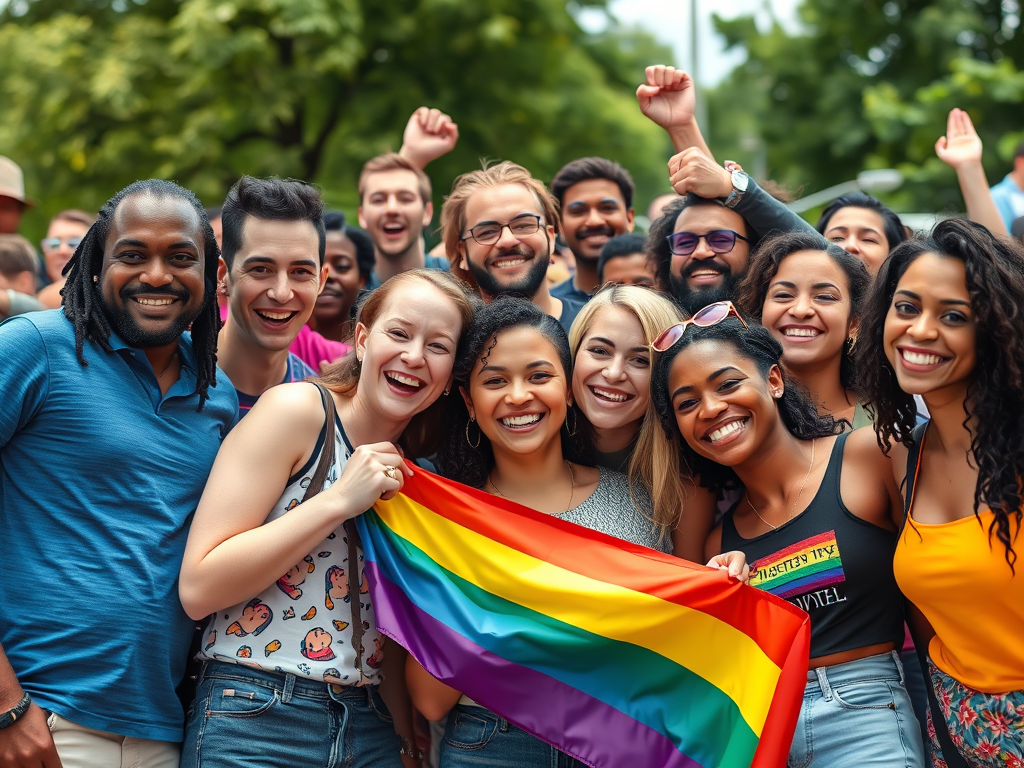
Allyship plays a vital role in advocating for LGBTQ+ rights and fostering a more inclusive society. However, it requires more than just passive support. To be effective allies, individuals must:
Educate Themselves
Understanding LGBTQ+ history, terminology, and current issues is crucial for being an informed ally. This involves listening to LGBTQ+ voices, reading relevant literature, and engaging with community organizations.
Stand Against Discrimination
Speaking up against homophobic or transphobic remarks and policies is essential. Allies should use their privilege to challenge discrimination in all its forms, whether in the workplace, schools, or social settings.
Support LGBTQ+ Organizations
Contributing to or volunteering for LGBTQ+ organizations can help provide necessary resources and support to those in need. Advocacy work can make a significant impact on local and national levels.
The Role of Intersectionality
Intersectionality is the interconnected nature of social categorizations, such as race, class, and gender, as they apply to a given individual or group. Understanding intersectionality within the LGBTQ+ community is crucial for recognizing that experiences of discrimination can vary widely.
For instance, LGBTQ+ people of color may face unique challenges that differ from those experienced by their white counterparts. Similarly, individuals with disabilities within the LGBTQ+ community may encounter additional barriers. Advocacy must consider these intersections to create truly inclusive spaces.
Celebrating LGBTQ+ Culture
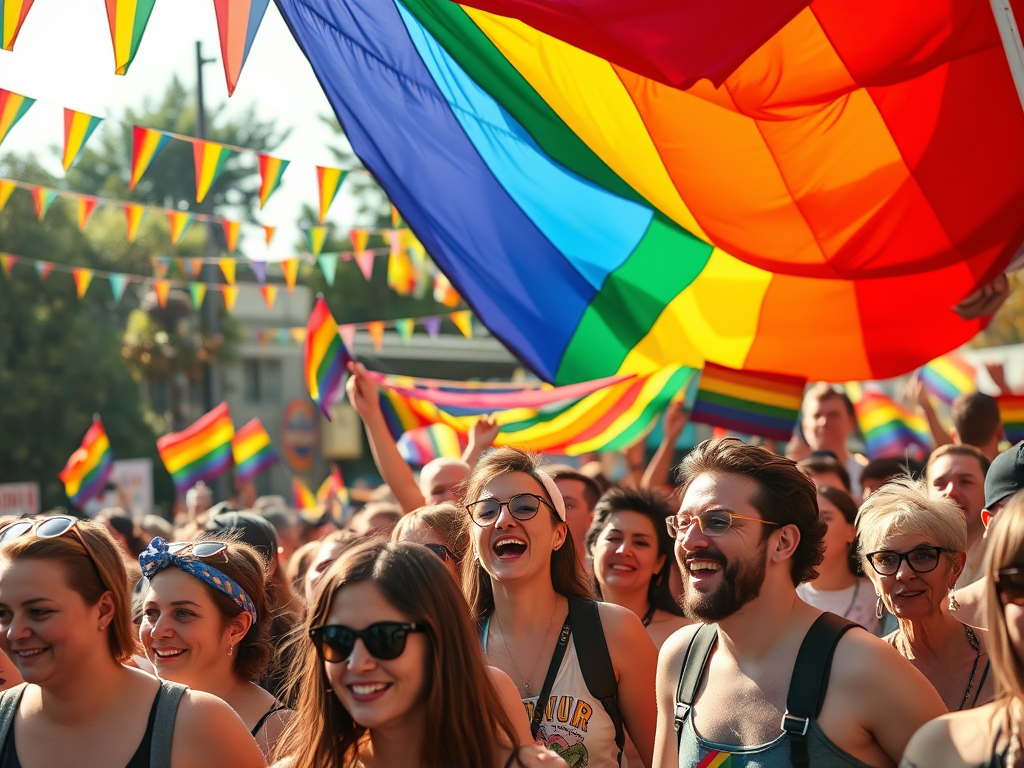
LGBTQ+ culture is rich and diverse, encompassing a wide array of contributions to art, music, literature, and social movements. By celebrating this culture, society acknowledges the impact and significance of LGBTQ+ individuals.
Pride Events
Pride events celebrate LGBTQ+ identities and commemorate the struggles for equality. Participating in Pride parades and festivals fosters community solidarity and encourages acceptance. These joyous events serve as a powerful reminder of resilience and the ongoing fight for rights.
Art and Music
From the vibrant works of LGBTQ+ artists to the powerful lyrics of queer musicians, art and music play a vital role in expressing identity and community struggles. Celebrating these contributions can help broaden perspectives and cultivate appreciation.
Looking Toward the Future
As society continues to evolve, it is imperative to prioritize the rights and well-being of LGBTQ+ individuals. This involves:
Policy Changes
Advocating for policies that protect LGBTQ+ rights, including anti-discrimination laws and healthcare access, is essential for progress. Engaging in the political process and supporting pro-LGBTQ+ candidates can lead to meaningful change.
Building Inclusive Communities
Creating inclusive safe spaces within communities ensures that LGBTQ+ individuals feel accepted and supported. This can be achieved through education, open dialogue, and fostering understanding among community members.
Embracing Change
Changing perspectives on LGBTQ+ lives requires an ongoing commitment to empathy, understanding, and advocacy. By actively working to challenge biases and prejudices, we can contribute to a more accepting and inclusive future.
Conclusion
Changing the perspective on LGBTQ+ lives is not merely a task; it is a necessity for building a just and equitable society. By understanding the complexities of LGBTQ+ identities, advocating for representation, and supporting inclusive policies, we can create a world that celebrates diversity and fosters empathy. As allies and advocates, we must continue to learn, grow, and stand alongside the LGBTQ+ community in their ongoing fight for equality and acceptance.
Hashtags
Here are some relevant hashtags to accompany the content on LGBTQ+ experiences and advocacy:
- #LGBTQ+
- #Pride
- #Allyship
- #LoveIsLove
- #Equality
- #Inclusion
- #RepresentationMatters
- #LGBTQRights
- #TransRightsAreHumanRights
- #QueerVoices
- #StandWithLGBTQ
- #Intersectionality
- #LGBTQHistory
- #CelebrateDiversity
- #EmpathyInAction









 BoldVoices.in
Leave a comment