
Astronomy is a captivating science, illuminating the skies above us and deepening our understanding of the universe. Among the most fascinating phenomena for both amateur and professional stargazers alike are solar eclipses and meteor showers. This article delves into these cosmic events, exploring their occurrences, significance, and what observers can witness.
Solar Eclipses
What is a Solar Eclipse?
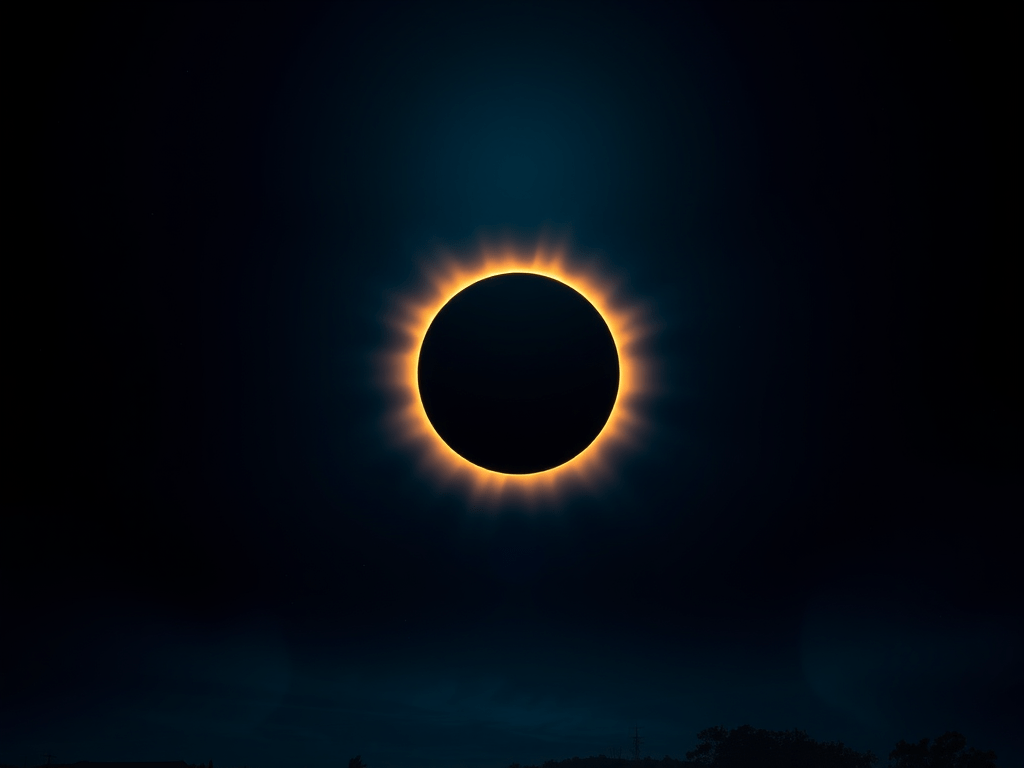
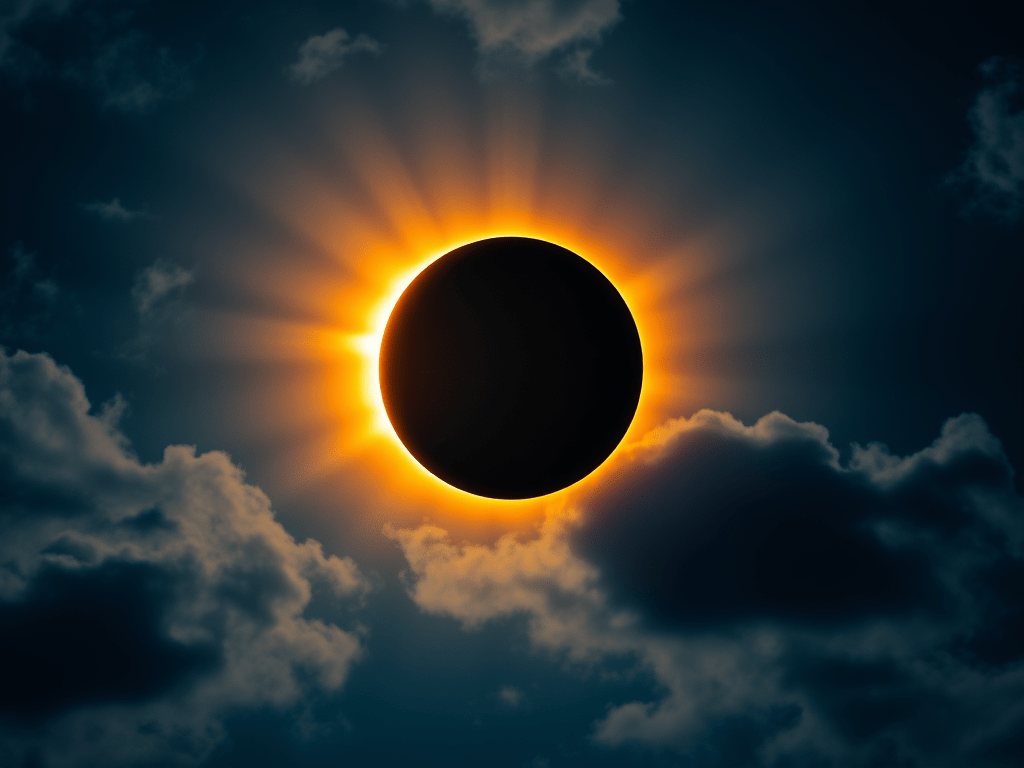
A solar eclipse occurs when the Moon passes between the Earth and the Sun, obscuring the Sun either partially or entirely. This celestial alignment can only take place during a new moon phase, and although they might seem commonplace, total solar eclipses are relatively rare for any given location.
Types of Solar Eclipses
- Total Solar Eclipse: This happens when the Moon covers the Sun completely, casting a shadow on Earth. Observers within the path of totality experience a brief period of darkness during the day, often lasting just a few minutes.
- Partial Solar Eclipse: This occurs when only a part of the Sun is obscured by the Moon. Depending on the observer’s location, the extent of the eclipse can vary significantly.
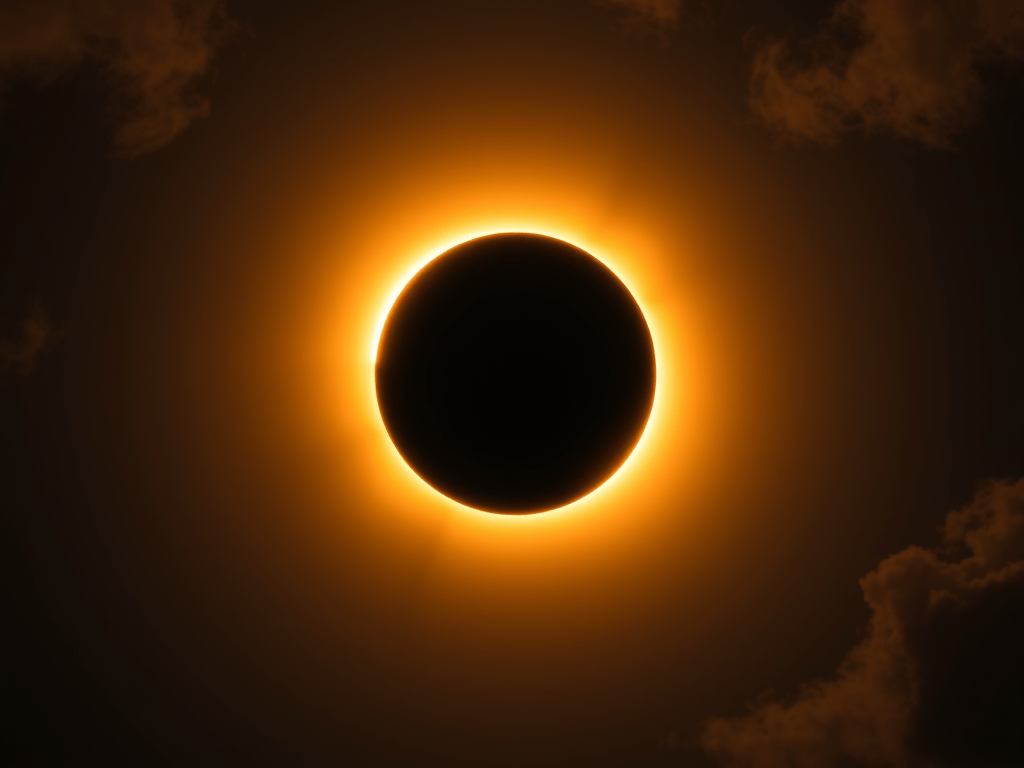
- Annular Solar Eclipse: This type occurs when the Moon is too far from Earth to completely cover the Sun. Instead, a ring of sunlight shines around the Moon, creating a “ring of fire” effect.
The Significance of Solar Eclipses
Solar eclipses have been the subject of fascination throughout history. In many cultures, they were seen as omens or magical events. They also provided ancient civilizations with opportunities to study and understand celestial mechanics. Today, eclipses are vital for scientific research, contributing to our knowledge of the Sun’s corona, solar wind, and other cosmic phenomena.
Upcoming Solar Eclipses
A notable annular solar eclipse is set to occur on October 14, 2023, visible across parts of the United States, Central America, and South America. Following that, a total solar eclipse will take place on April 8, 2024, with the path of totality crossing Mexico and extending into the United States, providing millions with a spectacular view.
History of Solar Eclipses
Solar eclipses have captivated humanity for millennia, playing significant roles in various cultures and advancing our understanding of astronomy. Here’s a brief exploration of the history surrounding these remarkable celestial events.
Ancient Cultures and Solar Eclipses
- Babylonian Astronomy: The Babylonians were among the first to document solar eclipses as early as the 8th century BCE. They developed predictive methods that enabled them to anticipate when eclipses would occur, using cycles known as the Saros cycle.
- Chinese Records: Ancient Chinese texts also contain records of solar eclipses, often interpreted as signs of divine intervention or omens. Historical accounts suggest that eclipses were linked to the fate of emperors and dynasties.
- Greek Philosophers: Greek philosophers like Anaxagoras (circa 500–428 BCE) made significant contributions by explaining solar eclipses through astronomy rather than mythology. They began to understand the mechanics behind the Moon’s shadow blocking the Sun.
- Maya Civilization: The Maya civilization meticulously recorded celestial events, including solar eclipses, in their codices. They viewed these occurrences as important calendar markers and integrated them into their religious and agricultural practices.
Notable Solar Eclipses
- The Eclipse of 585 BCE: This eclipse is famously associated with the philosopher Thales of Miletus, who is said to have predicted it, leading to a truce during a battle between the Medes and Lydians.
- The Solar Eclipse of 1919: This eclipse was pivotal in the history of science, as it provided an opportunity to test Albert Einstein’s theory of general relativity. Photographs taken during the eclipse confirmed that light from stars was bent by the sun’s gravitational field.
- The Great American Eclipse of 2017: This event attracted widespread attention across the United States, as millions of people traveled to the path of totality. It was one of the most viewed total solar eclipses in history, reigniting interest in astronomy among the public.
Eclipses in Modern Times
Today, solar eclipses continue to be important for both scientific research and public engagement. They offer opportunities to study the solar corona and the Sun’s influence on the Earth’s atmosphere.
In addition, modern technologies, such as telescopes and imaging equipment, enhance our ability to observe these events, allowing for detailed studies of solar phenomena that were once beyond our reach.
The history of solar eclipses illustrates not only humanity’s quest for understanding the cosmos but also the cultural significance these events have held throughout time. From ancient predictions to modern-day research, solar eclipses remain a powerful reminder of our connection to the universe and its mysteries.
Meteor Showers

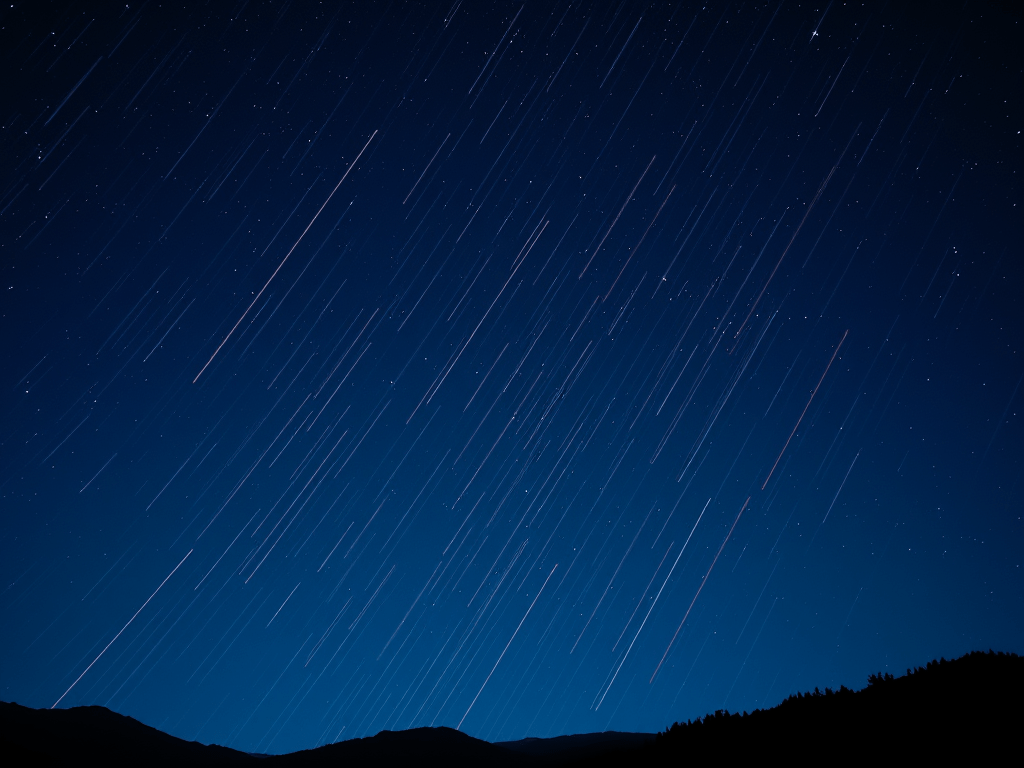
What are Meteor Showers?
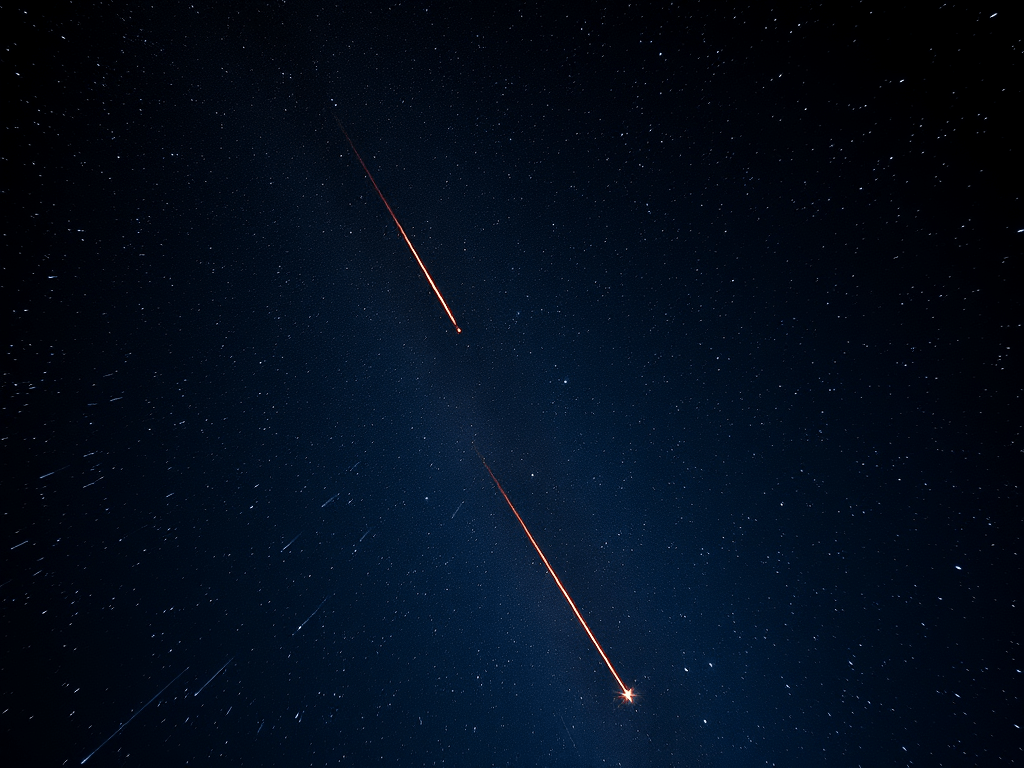
Meteor showers occur when Earth passes through a stream of debris left by a comet or asteroid. When these tiny particles—often no larger than a grain of sand—enter the Earth’s atmosphere at high speeds, they vaporize and create streaks of light in the night sky known as meteors or “shooting stars.”
Major Meteor Showers
- Perseid Meteor Shower: Active in mid-August, this shower peaks between August 12 and 13. It is associated with the Swift-Tuttle comet and can produce up to 60 meteors per hour under optimal conditions.
- Geminid Meteor Shower: Taking place in December, the Geminids are among the most reliable and prolific showers, with peak rates around December 13 to 14. Unlike most meteor showers, which originate from comets, the Geminids are associated with an asteroid named 3200 Phaethon.
- Quadrantid Meteor Shower: Occurring in early January, this shower is less known but can yield spectacular displays with a short peak duration. It is linked to the asteroid 2003 EH1.
History of Meteor Showers
Meteor showers have fascinated humanity for centuries, often viewed with awe and reverence. Their appearances have inspired countless myths, legends, and scientific inquiries.
Ancient Observations
- Ancient Civilizations: Early societies, including the Greeks and Chinese, recorded sightings of meteor showers. They often interpreted these luminous events as divine messages or omens.
- Medieval Period: During the Middle Ages, meteor showers were sometimes associated with significant historical events. For instance, in 1366, a meteor shower was thought to signal the arrival of the Black Plague in Europe.
Scientific Understanding
- 17th Century: The scientific study of meteor showers began in earnest with scholars like Giovanni Domenico Cassini, who documented the Perseids in 1666 and proposed that they originated from comets.
- 19th Century: In the 19th century, researchers established a connection between comets and meteor showers. The work of astronomers such as Edward C. Pickering in the late 1800s helped identify the relationship between debris trails of comets and periodic meteor showers.
20th Century to Present
- Spectroscopy Advances: The development of spectroscopy enabled astronomers in the 20th century to analyze the composition of meteors, enhancing our understanding of their origins.
- Modern Observations: With advancements in photography and computer modeling, astronomers can now predict meteor shower activity with greater accuracy. Citizen science projects also allow amateur astronomers to contribute valuable data to the study of these phenomena.
Cultural Significance
Meteor showers have held cultural importance in various societies. They are often celebrated in festivals or regarded as moments for reflection. Observing a meteor shower has become a popular activity for individuals and families, encouraging a sense of connection to the cosmos.
The history of meteor showers is a fascinating blend of myth, scientific inquiry, and cultural significance. From ancient interpretations to modern-day observations, meteor showers continue to inspire wonder and curiosity about our universe. As we study these celestial events, we gain not just knowledge of the cosmos but also a deeper appreciation of our place within it.
Observing Meteor Showers
To best observe meteor showers, find a dark location away from city lights. Give your eyes time to adjust to the dim surroundings, and lie back to take in as much sky as possible. The best time for viewing is typically after midnight when the radiant point of the shower rises higher in the sky.
Conclusion
Both solar eclipses and meteor showers offer magnificent opportunities to connect with the cosmos. These events not only enhance our appreciation for the universe but also provide insights into the mechanics of celestial bodies. As you plan to witness these awe-inspiring phenomena, remember to check local timings and conditions to ensure a fulfilling experience.
Whether you’re gazing at a total solar eclipse or counting the meteors streaking across the night sky, these astronomy events remind us of the grandeur of the universe and our place within it.
#Astronomy #SolarEclipses #MeteorShowers #Stargazing #CosmicEvents #Space #Science #Universe #CelestialPhenomena #TotalSolarEclipse #AnnularSolarEclipse #PerseidMeteorShower #GeminidMeteorShower #NightSky #Astrophysics #ScienceEducation #Wonder #Exploration #Skywatching









 BoldVoices.in
Leave a comment