
Introduction
The Rakhine State, situated in the western part of Myanmar (Burma), is a region characterized by its rich cultural heritage, diverse ethnic populations, and a complex history. Among the various groups inhabiting this area, the Arakan Army (AA) has emerged as a significant actor in the local and national political landscape. This article explores the origins of the Arakan Army, its objectives, the ongoing conflict, and the implications of the situation for the people of Rakhine State and Myanmar as a whole.
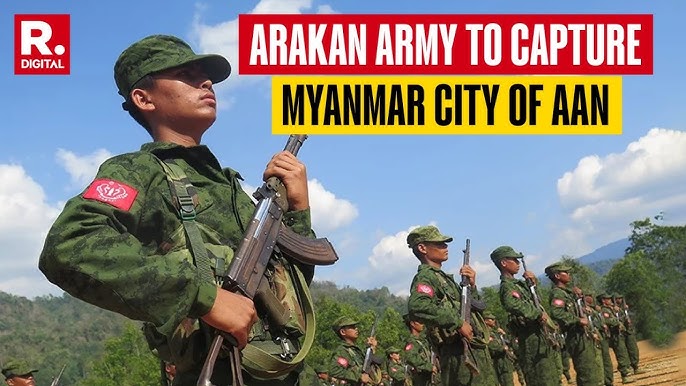

Historical Background
Rakhine State, formerly known as Arakan, has a long and storied past. Its history is marked by the influence of various kingdoms and colonial powers, including the Arakan Kingdom, British rule, and post-independence conflicts. The state’s demographic composition is diverse, with significant populations of Buddhists, predominantly Rakhine people, and Muslims, mainly the Rohingya community.
The Rohingya people have faced systemic discrimination and violence in Myanmar since the late 20th century. In contrast, the Rakhine population has often felt marginalized by the central government, leading to a sense of discontent. The tensions between these communities have played a significant role in shaping the region’s current dynamics.
Formation of the Arakan Army
The Arakan Army was founded in 2009, primarily by young ethnic Rakhine men who sought to address the grievances of the Rakhine people and promote their rights. The group emerged amidst rising nationalism among various ethnic groups in Myanmar and has been influenced by the broader struggle for equality and autonomy seen throughout the country.
The AA claims to seek self-determination for the Rakhine people and aims to establish an independent Rakhine state. It has also advocated for the rights of the Rakhine people, specifically regarding land ownership, resources, and political representation.
Objectives and Goals of the Arakan Army
The Arakan Army’s goals can be summarized in the following points:
- Autonomy and Self-Determination: One of the AA’s primary objectives is to achieve autonomy for the Rakhine people, thus establishing a separate state within Myanmar.
- Protection of Rakhine Culture and Identity: The group emphasizes the need to preserve and promote Rakhine culture, language, and traditions amid the pressures of national integration.
- Social and Economic Development: The AA has voiced concerns about the socioeconomic conditions in Rakhine State and advocates for development programs to improve the standard of living for its people.
- Human Rights Advocacy: The Arakan Army positions itself as a guardian of human rights and social justice for the Rakhine population, especially in light of the human suffering caused by the protracted conflict.
The Conflict in Rakhine State
The emergence of the Arakan Army has escalated tensions in Rakhine State, leading to violence between the AA and the Myanmar military (Tatmadaw). This conflict has roots in long-standing grievances, historical injustices, and a lack of trust between ethnic communities and the central government.
The violence escalated significantly in late 2018 when the AA launched a series of attacks against military and police outposts, leading to a military crackdown in response. The Rakhine population has often found itself caught in the crossfire, suffering from human rights abuses, displacement, and loss of livelihoods. The humanitarian situation has deteriorated, with many people lacking access to basic services such as healthcare and education.
Humanitarian Impact
The conflict between the Arakan Army and the Myanmar military has had severe humanitarian repercussions. Thousands of people have been displaced from their homes, leading to a crisis that has drawn attention from both local and international organizations. The United Nations has expressed concern over the continued violence and its impact on civilians in Rakhine State.
Access to humanitarian aid has been limited, and many communities are facing food insecurity and lack of healthcare. The Rohingya population, already vulnerable due to previous conflicts and ongoing discrimination, has been particularly hard hit, as they have been subject to additional violence and restrictions.
The Role of the International Community
The situation in Rakhine State has attracted international attention, with humanitarian organizations and foreign governments calling for peace, dialogue, and accountability. However, the complexity of the conflict makes it challenging for external actors to navigate the local dynamics.
While some governments have expressed support for the Arakan Army’s calls for self-determination, others maintain strong ties with the Myanmar military, complicating the prospects for resolution. The international community has also been called upon to address the broader issues of human rights and discrimination against the Rohingya, highlighting the need for an inclusive approach to peacebuilding.
Political Dynamics in Myanmar
The political landscape in Myanmar has shifted significantly since the country began transitioning to a civilian government in 2011. However, despite these changes, ethnic conflicts have persisted. The Arakan Army is one of many ethnic armed groups that oppose the central government, demanding greater autonomy and rights.
The outcome of the ongoing civil conflict will likely have far-reaching implications for Myanmar’s national unity and stability. The Rakhine State crisis poses a challenge not only to the government but also to the armed forces that have historically dominated the political landscape.
Path Forward: Dialogue and Resolution
For a sustainable resolution to the conflict in Rakhine State, dialogue between the Arakan Army, local communities, and the Myanmar government is essential. Building trust among the diverse ethnic groups in the region is crucial for a peaceful coexistence.
A comprehensive approach to addressing the grievances of the Rakhine people, including political representation and socioeconomic development, could pave the way for lasting peace. Moreover, prioritizing the protection of human rights and humanitarian access is vital to alleviate the suffering of those affected by the conflict.
Conclusion
The Arakan Army represents both the aspirations and frustrations of the Rakhine people, reflecting wider issues of identity, autonomy, and human rights in Myanmar. The situation in Rakhine State remains complex, with historical grievances and socio-political dynamics complicating the path toward peace.
Moving forward, it is imperative to recognize and respect the rights and identities of all communities in Rakhine State while fostering dialogue and reconciliation. Only through a collaborative effort can the challenges faced by the people of Rakhine be addressed, leading to a more inclusive and just society.
Hashtags
Here are some relevant hashtags that could be used for social media posts related to the Arakan Army and the situation in Rakhine State:
- #RakhineState
- #ArakanArmy
- #Myanmar
- #HumanRights
- #Rohingya
- #EthnicConflict
- #Peacebuilding
- #SelfDetermination
- #CulturalIdentity
- #SocialJustice
- #HumanitarianCrisis
- #MyanmarPolitics
- #ConflictResolution
- #Displacement
- #RakhinePeople
Feel free to use or modify these hashtags for your content!








 BoldVoices.in
Leave a comment