
Introduction
Fifth-generation wireless technology, commonly known as 5G, represents a significant advancement in mobile telecommunications. Its development is poised to enhance internet connectivity, enabling faster speeds, lower latency, and the proliferation of smart devices. However, alongside its rollout, a myriad of conspiracy theories have emerged, often causing public confusion and skepticism about its implications for health, privacy, and society at large.

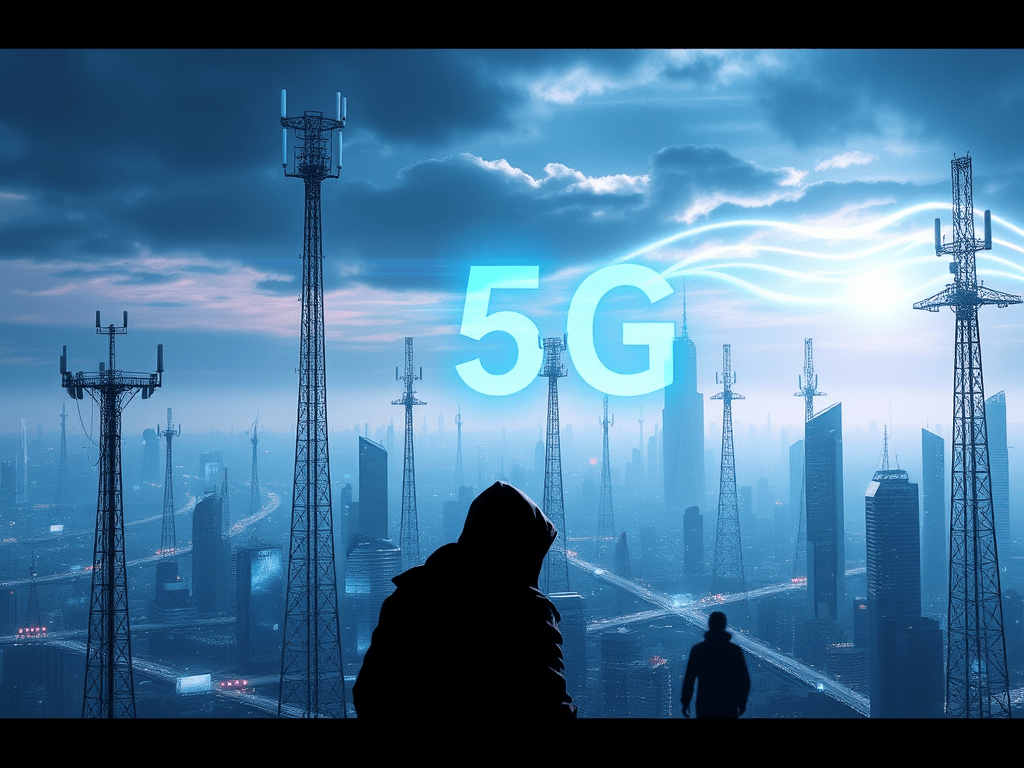
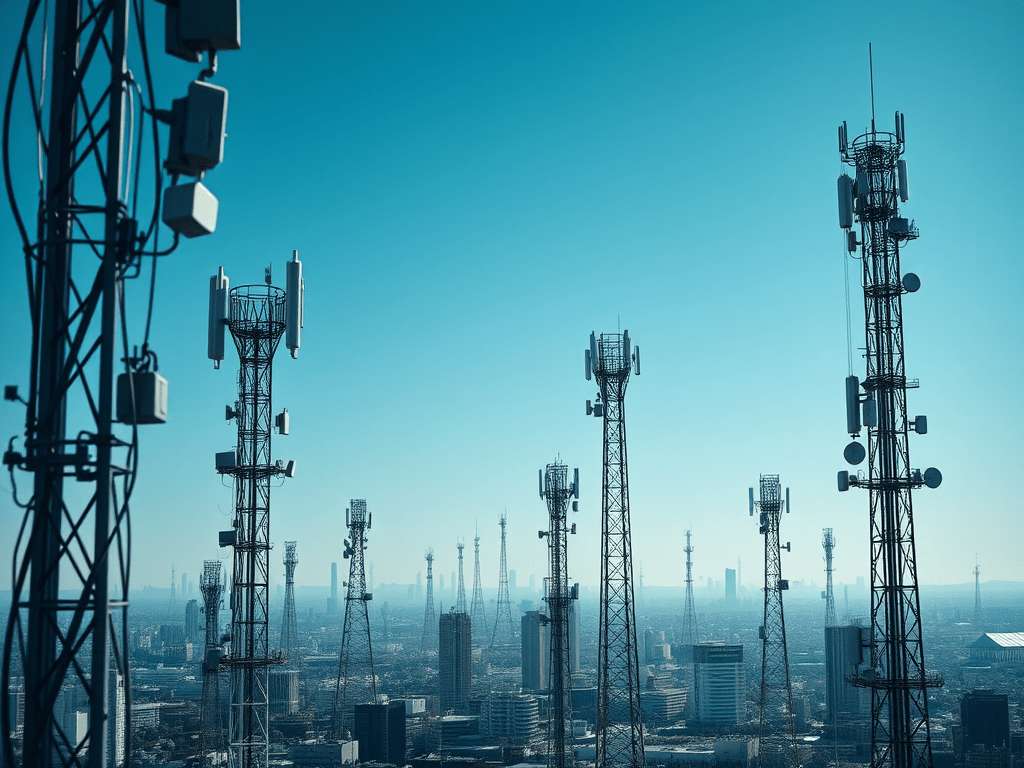
What is 5G?
5G technology is the latest iteration in mobile networks, succeeding 4G LTE. It is designed to provide unprecedented data rates, supporting up to 20 gigabits per second (Gbps) in ideal conditions. The key features of 5G include:
- Higher capacity and speed: 5G can handle significantly more devices at once compared to its predecessors.
- Low latency: The response time in communication is drastically reduced, benefiting applications that require real-time data processing, such as autonomous vehicles and remote surgery.
- Enhanced connectivity: 5G supports massive machine-type communications, essential for the Internet of Things (IoT), connecting billions of devices seamlessly.
The Rollout of 5G
The rollout of 5G technology began around 2019, with major telecommunications companies competing to establish infrastructure in urban and suburban areas. The process involves the installation of small cells, which are low-powered cellular radio access nodes that can be deployed quickly and efficiently. These small cells provide increased coverage and capacity by working alongside existing cellular networks.
Global Adoption
Countries worldwide have embraced 5G technology at varying paces:
- United States: Major cities like New York, Los Angeles, and Chicago have seen substantial investment in 5G infrastructure by carriers like Verizon, AT&T, and T-Mobile.
- China: As one of the first nations to adopt 5G on a national scale, China has rapidly expanded its network coverage, with millions of 5G base stations installed across the country.
- European Union: The EU has set an ambitious goal to make 5G available across all member states by 2030, with significant funding and policy support.
Economic Impact
The expected economic impact of 5G is immense. Experts predict billions in investments that will create jobs, drive innovation, and enhance productivity across various sectors, including healthcare, transportation, and entertainment. Companies leveraging 5G technology can develop services that cater to the needs of a hyper-connected world, pushing the boundaries of technology further.
Conspiracy Theories Surrounding 5G
Despite its potential benefits, the rollout of 5G has been met with skepticism. Various conspiracy theories have emerged, linking 5G technology to health issues, government surveillance, and even social control. Here are some of the most prevalent theories:
Health Concerns
One of the most prevalent conspiracy theories posits that 5G technology poses significant health risks due to increased radiation exposure. Critics cite concerns over electromagnetic radiation and its potential effects on human health as a central pillar of their arguments. However, leading health organizations, including the World Health Organization (WHO) and the Federal Communications Commission (FCC), have conducted extensive research and concluded that 5G is safe when adhering to established guidelines.
COVID-19 Connection
Amid the COVID-19 pandemic, conspiracy theories emerged suggesting a connection between the virus and 5G technology. Some theorists claimed that 5G networks weakened the immune system, making individuals more susceptible to the virus. Others alleged that the rollout of 5G was a cover-up for the pandemic. Despite these theories, no credible scientific evidence supports any link between 5G technology and the virus.
Surveillance and Privacy
Another common concern revolves around surveillance. As 5G technology enables enhanced connectivity, critics fear that it could facilitate widespread surveillance by governments or corporations. The proliferation of smart devices connected to 5G networks creates potential vulnerabilities regarding user privacy and data security. However, proponents argue that advancements in encryption and security protocols are essential to safeguard users.
Social Control
Some conspiracy theorists believe that 5G technology is a tool for social control, allowing governments to monitor behavior and manipulate societal norms. This theory extends into fears about AI and machine learning technologies, where 5G is seen as an enabler for pervasive surveillance and deep data collection, further heightening public anxiety.
5G Technology in India
The Rollout of 5G
India has been making significant strides in the rollout of 5G technology. The Department of Telecommunications (DoT) auctioned 5G spectrum in July 2022, marking a crucial step towards the commercial launch of 5G services in the country. Major telecommunications providers, including Reliance Jio, Airtel, and Vodafone Idea, have been at the forefront of deploying 5G networks across urban and rural areas.
Phased Rollout
The deployment of 5G is expected to occur in phases:
- Initial Launch: Major cities like Delhi, Mumbai, Bengaluru, and Kolkata are among the first to experience 5G services. Operators are focusing on urban areas initially due to higher demand for high-speed internet.
- Expansion to Rural Areas: Following the urban rollout, there are plans to extend 5G coverage to rural areas, aiming to bridge the digital divide and enhance connectivity for underserved populations.
- Enhanced Services: With the rollout, services such as enhanced mobile broadband, ultra-reliable low-latency communications, and massive machine-type communications are expected to transform various sectors including healthcare, education, and agriculture.
Economic Impact
The introduction of 5G technology in India is anticipated to generate vast economic opportunities. Experts predict significant investments in infrastructure, which could lead to job creation, higher efficiencies in various sectors, and innovations in mobile applications that cater to the needs of a digitally connected society.
Conspiracy Theories Surrounding 5G in India
As with the global narrative, the rollout of 5G in India has been accompanied by a rise in conspiracy theories and skepticism regarding its implications.
Health Concerns
Many individuals in India have voiced concerns about potential health risks associated with 5G technology. The fears largely revolve around increased exposure to electromagnetic radiation. Similar to global sentiments, critics argue that the long-term effects of 5G exposure on human health are not fully understood. However, local health authorities and organizations emphasize that established guidelines ensure safety in 5G deployment.
COVID-19 Connection
The COVID-19 pandemic also fueled conspiracy theories linking 5G with the virus. Some groups in India circulated the narrative that the introduction of 5G could weaken immune systems or that it played a role in the spread of the virus. These claims, however, have been widely debunked by credible health officials and scientists, who stress that there is no scientific evidence supporting any connection between 5G and COVID-19.
Surveillance and Privacy
Concerns about surveillance are prominent in discussions about 5G in India. As the technology enables better connectivity, anxiety about privacy violations and potential government surveillance has been on the rise. Critics fear that increased connectivity could lead to extensive data collection and infringement on personal privacy. Advocacy groups have called for stringent data protection regulations to safeguard citizens’ rights.
Social Control
Some conspiracy theorists in India propose that 5G is part of a larger agenda for social control, enabling government surveillance and manipulation of societal behavior. This theory echoes similar fears expressed globally, positing that enhanced connectivity could facilitate pervasive monitoring and influence over public opinion.
The rollout of 5G technology in India is set to revolutionize mobile connectivity, offering extensive benefits across various sectors. However, it is essential to address the misinformation and conspiracy theories that accompany this technological advancement. Relying on scientific evidence, promoting public awareness, and encouraging transparent dialogues can help mitigate fears and promote understanding of the potential of 5G technology.
Engaging all stakeholders—governments, telecom providers, and the public—in constructive discussions can unlock the promise of 5G while ensuring that the deployment serves the collective good of society.
5G Technology – Rollout and Conspiracy Theories in the USA and West
The Rollout of 5G in the USA
The rollout of 5G technology in the United States has been characterized by aggressive competition among major telecommunications providers. Since the launch began in 2019, carriers such as Verizon, AT&T, and T-Mobile have rapidly expanded their networks in urban centers and are increasingly reaching suburban areas. The deployment strategy includes:
- Small Cells: Telecommunications companies have focused on installing small cells—low-powered radio access nodes that enhance coverage and capacity—throughout cities to provide robust 5G services.
- Diverse Spectrum Utilization: Carriers are leveraging different spectrums, including low, mid, and high-band frequencies (often referred to as mmWave) to offer a range of services, from expansive coverage to ultra-high-speed connections.
Global Context
The United States stands out in its ambitious 5G deployment efforts, competing with countries like China, which has established an extensive network of 5G base stations. The integration of 5G in the U.S. economy is seen as crucial for maintaining technological leadership and stimulating innovation across various sectors, including transportation, healthcare, and entertainment.
Conspiracy Theories Surrounding 5G in the USA and West
In the U.S. and other Western nations, the rollout of 5G has been accompanied by a rise in conspiracy theories, often fueled by misinformation and public anxiety. Some of the most notable conspiracy theories include:
Health Concerns
A prominent conspiracy theory posits that 5G technology poses significant health risks due to its radiation output. Critics have voiced concerns over electromagnetic fields and their purported effects on human health. However, extensive research conducted by organizations such as the World Health Organization (WHO) and various scientific bodies has concluded that 5G is safe when implemented according to established guidelines.
COVID-19 Connection
During the COVID-19 pandemic, conspiracy theories suggested a link between the virus and 5G technology. Some theorists claimed that 5G networks could weaken the immune system, making individuals more vulnerable to COVID-19. Others suggested that the rollout of 5G was a strategic cover-up for the pandemic. These theories have been widely debunked by health professionals, with a consensus confirming that there is no scientific evidence linking 5G to the virus.
Surveillance and Privacy
As 5G technology facilitates enhanced connectivity, concerns about surveillance and user privacy have surged. Critics fear that the extensive data collection enabled by connected devices may lead to government and corporate surveillance. While proponents of 5G argue that advancements in encryption and data protection can mitigate these risks, the potential for enhanced scrutiny raises alarm among certain segments of the population.
Social Control
Further compounding public fear, some conspiracy theorists in the U.S. contend that 5G serves as a tool for social control. They argue that the technology allows for the monitoring of citizens’ behavior and the manipulation of societal norms, linking it to broader concerns about privacy and the rise of artificial intelligence. This narrative taps into existing anxieties about data privacy and corporate overreach.
Addressing the Conspiracy Theories
As 5G technology continues to be integrated into everyday life, addressing misinformation and conspiracy theories is crucial for fostering understanding and acceptance. Engaging in transparent discussions about 5G’s benefits, alongside an emphasis on scientific data, can help mitigate fears and promote informed decision-making among the public.
Through collaboration between governments, telecom providers, and advocacy groups, it is possible to create a framework that prioritizes safety, security, and ethical considerations in the rollout of 5G technology. By countering misinformation with credible information, society can embrace the transformative potential of 5G while paving the way for a connected future that benefits all.
Conclusion
As 5G technology continues to roll out globally, it holds significant promise for enhancing connectivity and transforming various sectors. While conspiracy theories surrounding its implications can fuel skepticism and fear, it is crucial to rely on scientific evidence and expert opinion. The benefits of 5G, if leveraged responsibly, can lead to innovative solutions for the challenges facing society today. Embracing technology alongside informed discussions can foster a better understanding of 5G’s potential and mitigate baseless fears.
In navigating the landscape of 5G, it is essential for stakeholders—including governments, corporations, and the public—to engage in open dialogue and transparency, ensuring that the deployment of this technology serves the interests of all.
Hashtags
#5G #5GTechnology #MobileConnectivity #Telecommunications #DigitalTransformation #InternetOfThings #HealthAndSafety #ConspiracyTheories #COVID19 #Surveillance #Privacy #Innovation #SmartDevices #GlobalRollout #EconomicImpact #DigitalDivide #India #USA #PublicAwareness #ScienceAndTechnology #Connectivity










 BoldVoices.in
Leave a comment