
Vladimir Putin: The Man Behind the Power
Introduction
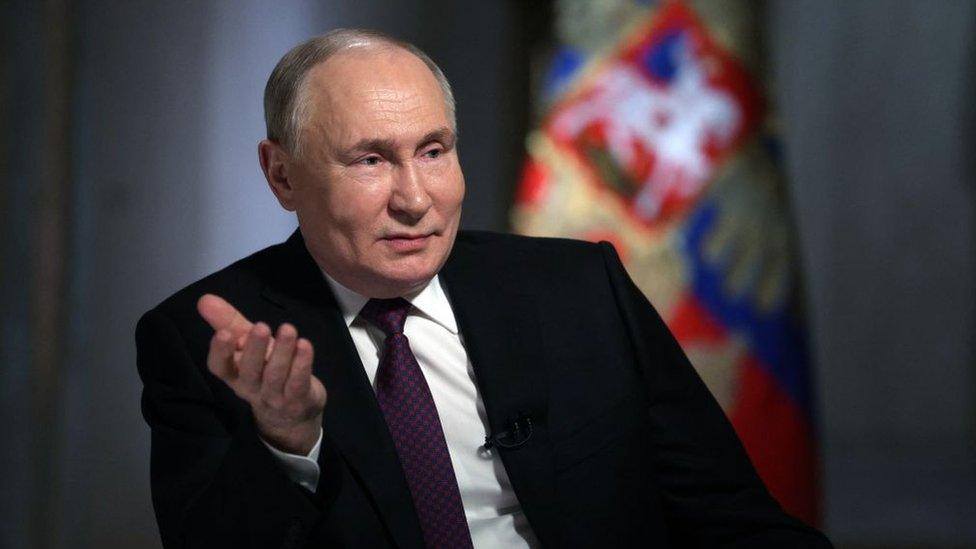
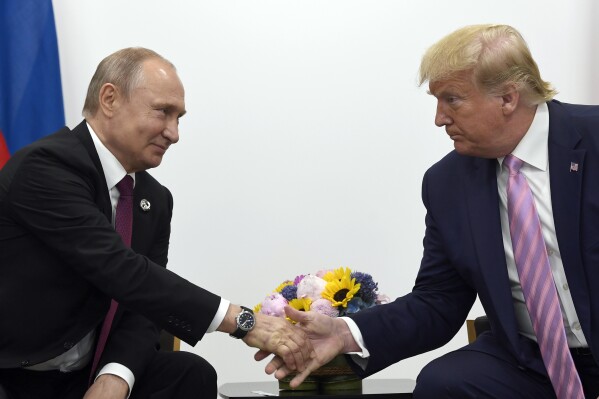
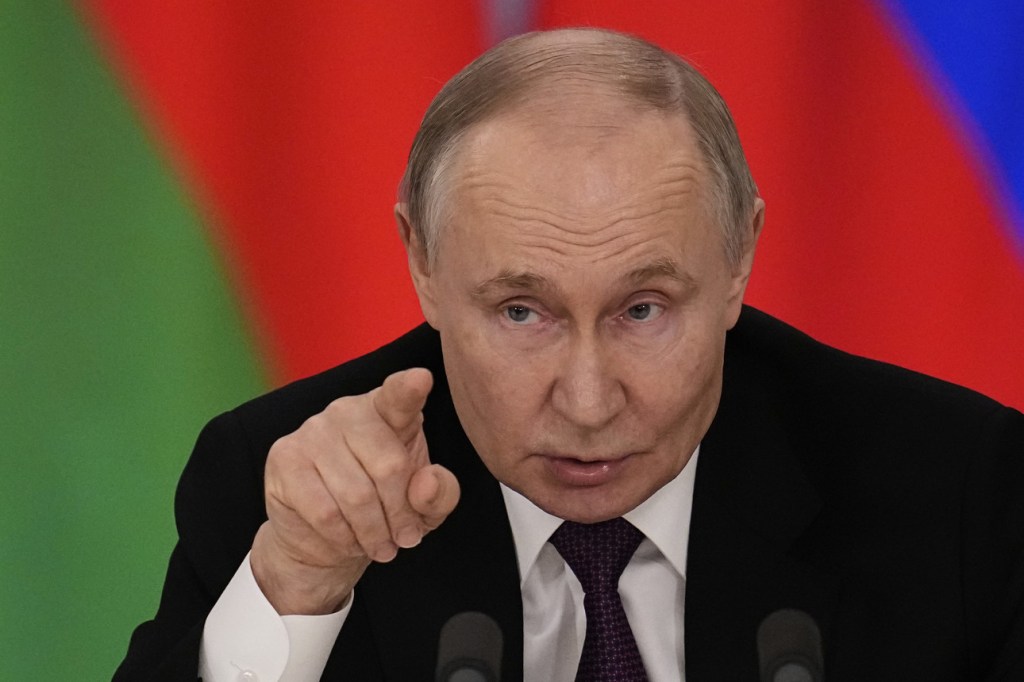
Vladimir Vladimirovich Putin, the President of Russia, is a key figure in contemporary global politics. His tenure has seen significant transformations in Russian society, economy, and international relations. This article provides an in-depth look at Putin’s life, rise to power, leadership style, and impact on both Russia and the world.
Early Life and Education
Born on October 7, 1952, in Leningrad (now St. Petersburg), Putin grew up in a modest household. His father, Vladimir Spiridonovich Putin, served as a factory foreman and was a World War II veteran, while his mother, Maria Ivanovna Shelomova, was a homemaker. The harrowing experiences of World War II deeply influenced Putin’s upbringing, shaping his views on loyalty and the importance of strength.
Putin attended Leningrad State University, where he studied law and graduated in 1975. His college years coincided with a time of political change and social unrest in the Soviet Union. During this period, he also joined the Komsomol, the youth wing of the Communist Party, indicating his early engagement in politics.
Career in the KGB
After graduation, Putin was recruited by the KGB, the Soviet Union’s main security agency, where he began his career as an intelligence officer. From 1985 to 1990, he served in East Germany, where he developed his understanding of Western politics and intelligence operations. His experiences during this formative period laid the groundwork for his future as a political leader.
After returning to Leningrad, Putin shifted from intelligence work to politics. He became an advisor to Anatoly Sobchak, the mayor of St. Petersburg, and helped him manage the city’s political and economic reforms during the tumultuous post-Soviet era.
Rise to Power
Putin’s rapid ascent in Russian politics began in the late 1990s. He moved to Moscow and held various positions within the federal government, eventually becoming the Deputy Chief of the Presidential Staff under President Boris Yeltsin in 1997. His close ties to Yeltsin and other influential figures paved the way for his appointment as Prime Minister in 1999.
On December 31, 1999, Boris Yeltsin unexpectedly resigned and designated Putin as acting President. This marked the start of Putin’s dominance in Russian politics. He won his first presidential election in March 2000 and was re-elected in 2004.
Leadership Style and Domestic Policies
Putin’s leadership style is characterized by a blend of authoritarianism and centralized power. His administration has focused on restoring stability and economic growth, especially following the chaotic years of Yeltsin’s presidency. Putin implemented policies aimed at increasing state control over key industries, particularly in the energy sector.
His early presidency was marked by significant economic growth, largely fueled by surging oil prices. Attempts to reform the economy led to improvements in living standards for many Russians, and he garnered substantial popular support as a result.
However, Putin’s government has faced criticism for suppressing political dissent, curtailing press freedom, and restricting civil liberties. Opposition figures have often been persecuted, and allegations of election manipulation have raised questions about the legitimacy of his electoral victories.
Foreign Policy and Global Impact
Putin’s foreign policy has been bold and assertive, reflecting a desire to restore Russia’s influence on the global stage. His actions, particularly the military intervention in Georgia in 2008 and the annexation of Crimea in 2014, have been viewed as efforts to reassert Russia’s power in the post-Soviet space.
The annexation of Crimea was particularly significant, as it marked a turning point in Russia’s relations with the West, leading to widespread sanctions against Moscow and a deterioration of diplomatic ties. Putin justified the action by claiming to protect the rights of ethnic Russians in Crimea, garnering support at home while facing substantial international criticism.
The Syrian Conflict
In addition to European tensions, Putin’s military intervention in Syria in 2015 demonstrated his willingness to assert Russia’s presence in the Middle East. By supporting the Assad regime, Putin aimed to protect Russian interests and assert Russia as a key player in global geopolitics. This move reversed years of perceived decline of Russian influence in the region.
The Domestic Landscape
Despite economic challenges, including international sanctions and a decline in oil prices, Putin’s government has maintained a facade of stability. His administration has focused on nationalistic rhetoric and military modernization, portraying Russia as a victim of Western aggression and securing public support through a narrative of strength.
However, economic disparities persist, and social unrest has periodically erupted, particularly among younger generations who are increasingly disillusioned with the political system. Opposition movements have faced significant obstacles, yet protests and dissent reveal an undercurrent of dissatisfaction among segments of the population.
Challenges Ahead
As of 2023, Putin’s hold on power faces both external and internal challenges. Internationally, Russia’s relationships with Western countries remain strained, and accusations of election interference and cyber warfare have exacerbated tensions. Domestically, while Putin enjoys significant popularity, economic issues and social discontent pose potential threats to his long-term stability.
Conclusion
Vladimir Putin’s journey from a KGB officer to the President of Russia epitomizes a transformative era in Russian history. His leadership has reshaped the country, achieving both domestic stability and international prominence while also drawing criticism for authoritarian measures. As he continues to navigate the complexities of global politics and domestic pressures, Putin’s legacy will undoubtedly influence the geopolitical landscape for years to come.
Understanding Putin is essential for grasping the dynamics of modern Russia and the challenges it faces in an increasingly interconnected world.
The Russia-Ukraine Conflict: A Comprehensive Overview
Introduction
The conflict between Russia and Ukraine is one of the most significant geopolitical crises of the 21st century. It has profound implications for international relations, security, and the stability of Europe. The roots of this conflict are deep and multifaceted, encompassing historical grievances, national identities, and strategic interests. This article aims to provide a thorough examination of the Russia-Ukraine conflict, its origins, major developments, and its impact on the global landscape.
Historical Context
Historical Ties
Ukraine and Russia share a complex and intertwined history that dates back to the medieval state of Kievan Rus, which is often considered the cultural and political ancestor of both nations. Throughout centuries, however, Ukraine has oscillated between periods of autonomy and subjugation, influenced by neighboring powers, including Poland, Lithuania, and Russia.
Soviet Era
During the Soviet era, Ukraine was one of the USSR’s most significant republics. The period was marked by industrialization and economic development, but also by oppression, including the Holodomor famine in the 1930s, which resulted in millions of deaths and is viewed by many historians as a genocide against the Ukrainian people.
Independence
Following the collapse of the Soviet Union in 1991, Ukraine declared independence, which was confirmed by a popular referendum. This new autonomy allowed Ukraine to forge its own identity and political path, but it also sowed seeds of discord with Russia, particularly over the status of Crimea and the Russian-speaking population in the eastern regions.
The Euromaidan Protests
In late 2013, Ukraine was engulfed in mass protests known as the Euromaidan, triggered by then-President Viktor Yanukovych’s decision to suspend an association agreement with the European Union in favor of closer ties with Russia. These protests represented a significant moment in Ukrainian civil society, emphasizing the desire for European integration and democratic reforms.
Aftermath of the Protests
The protests led to Yanukovych fleeing to Russia in February 2014 and the establishment of a new pro-European government. However, this political upheaval precipitated a backlash from Russia, which viewed the changes in Ukraine as a threat to its influence over the former Soviet space.
Annexation of Crimea
In March 2014, Russia launched a military intervention in Crimea, swiftly annexing the region following a controversial and internationally unrecognized referendum. This move was widely condemned by the international community and led to severe sanctions against Russia.
The Significance of Crimea
The annexation of Crimea holds considerable strategic value for Russia, providing access to the Black Sea and hosting the naval base in Sevastopol. It also served to rally Russian national sentiment, presenting the government as a protector of ethnic Russians and Russian speakers in Crimea.
The War in Eastern Ukraine
Following the annexation of Crimea, conflict erupted in the Donbas region of eastern Ukraine, where pro-Russian separatists declared independence in the self-proclaimed Donetsk and Luhansk People’s Republics. The ensuing war has resulted in thousands of fatalities and a humanitarian crisis, with millions displaced both internally and externally.
International Response
The international community, led by Western nations, reacted to the conflict by supporting Ukraine through military aid, training, and economic assistance. NATO’s enhanced presence in Eastern Europe and sanctions against Russia aimed to deter further aggression.
Key Developments
Minsk Agreements
Attempts to resolve the conflict were made through the Minsk Agreements, negotiated in 2014 and 2015, establishing a ceasefire and outlining steps for political resolution. However, these agreements have been frequently violated, and fighting has persisted intermittently.
Escalation in 2021-2022
In late 2021, tensions escalated dramatically as Russia amassed troops along the Ukrainian border, raising fears of a full-scale invasion. Diplomatic efforts to resolve the crisis were unsuccessful, and on February 24, 2022, Russia launched a large-scale military invasion of Ukraine.
The Impact of the Invasion
The invasion has resulted in widespread destruction, a humanitarian crisis, and significant military engagement. It has intensified geopolitical tensions between Russia and Western allies, leading to unified support for Ukraine from NATO and the European Union.
Global Ramifications
The conflict has had far-reaching global implications, causing disruptions in energy markets, agricultural exports, and security arrangements across Europe and beyond. Countries have reassessed their defense policies in response to the perceived threat from Russia, leading to increased military spending and cooperation among NATO members.
Conclusion
The Russia-Ukraine conflict is a profoundly complex issue shaped by historical grievances, national aspirations, and geopolitical calculations. Understanding this conflict is crucial for grasping the current geopolitical landscape and the challenges facing Europe and the broader international community.
As the situation continues to evolve, the prospect for peace remains fraught with challenges. The conflict not only highlights the volatility of regional politics but also the necessity for diplomatic solutions that can address the core issues at stake, ensuring long-term stability in Eastern Europe.
Generated with the help of AI Assistant WordPress
#VladimirPutin #RussiaUkraineConflict #GlobalPolitics #InternationalRelations #Leadership #PoliticalHistory #EasternEurope #Geopolitics #Authoritarianism #Crimea #Euromaidan #KGB #RussianHistory #InternationalSecurity #MilitaryIntervention #Stability #Democracy #EconomicReform #HumanRights #Diplomacy #ConflictResolution







 BoldVoices.in
Leave a comment