
Introduction
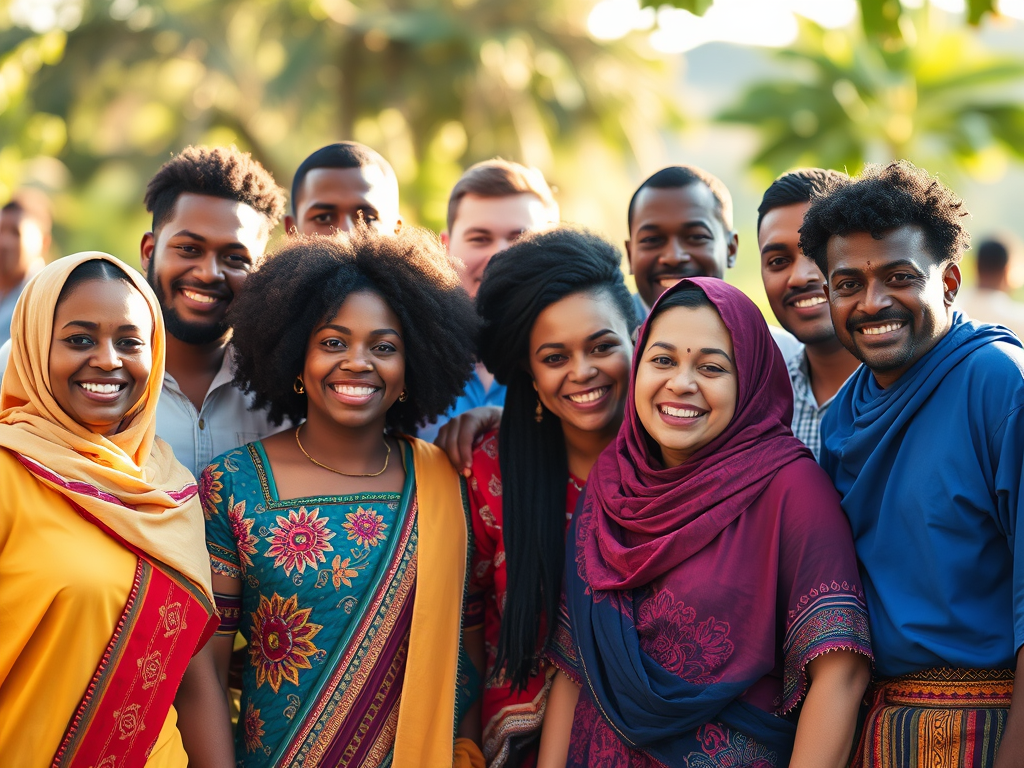
The phrase “Unity in Diversity” encompasses a profound and essential concept in understanding the fabric of society. It embodies the idea that within a diverse population, individuals with varying backgrounds, cultures, and beliefs can coexist harmoniously. This article delves into the importance of unity in diversity, exploring its principles, benefits, challenges, and examples from around the globe.
Understanding Diversity
Definition of Diversity
Diversity refers to the range of differences among people, which includes characteristics such as race, ethnicity, nationality, gender, age, sexual orientation, disability, socioeconomic status, and cultural background. These differences not only enrich human experiences but also contribute to the complexity of social dynamics.
Types of Diversity
- Cultural Diversity: This includes variations in customs, traditions, and lifestyles across different societal groups. Cultural diversity enriches communities with multiple perspectives and ways of living.
- Ethnic Diversity: Ethnic diversity can be seen in the different racial and ethnic groups coexisting within a particular region, leading to a rich tapestry of heritage and traditions.
- Gender Diversity: Acknowledging and embracing the differences between genders fosters inclusivity and equality in various spheres, including workplaces and communities.
- Religious Diversity: The presence of multiple religions within a society enhances dialogue, understanding, and cooperation among various faiths.
- Cognitive Diversity: This refers to the inclusion of different perspectives, problem-solving approaches, and cognitive abilities. It can lead to more innovative solutions and creativity.
The Importance of Unity in Diversity
Promoting Inclusion
Unity in diversity signifies the importance of inclusion. By embracing diverse backgrounds, societies create an environment where everyone feels valued and respected. This sense of belonging encourages participation and collaboration, enhancing social cohesion.
Fostering Creativity and Innovation
Diversity leads to a wealth of ideas and perspectives, which can foster creativity and innovation. Diverse teams often outperform homogeneous ones, bringing various viewpoints that contribute to problem-solving and creative thinking.
Enhancing Global Understanding
In an increasingly interconnected world, understanding and appreciating cultural diversity is essential for global cooperation. Unity in diversity cultivates empathy, improving relationships between nations and communities.
Strengthening Social Cohesion
When communities celebrate their differences while recognizing shared values and goals, social cohesion strengthens. This unity can lead to lower levels of conflict and violence, fostering peace and stability.
Challenges to Unity in Diversity
Prejudice and Discrimination
One of the significant challenges to achieving unity in diversity is the presence of prejudice and discrimination. Stereotypes and biases can create divisions, leading to resentment and conflict. Education and awareness are crucial tools in overcoming these barriers.
Cultural Misunderstandings
Cultural differences may lead to misunderstandings and misinterpretations. Engaging in open communication and cultural exchanges can mitigate these issues and promote mutual respect.
Socioeconomic Inequalities
Inequities in wealth and opportunities can exacerbate divisions within diverse communities. Addressing these disparities is vital to achieving true unity, requiring concerted efforts from governments, organizations, and civil society.
Political Divisions
Political ideologies can often create rifts within diverse societies. The challenge lies in fostering dialogue and collaboration across political boundaries to ensure that diversity is embraced rather than seen as a threat.
Promoting Unity in Diversity
Education and Awareness
Education plays a critical role in promoting unity in diversity. Integrating multicultural education into curricula can help students appreciate different cultures and develop critical thinking skills. Workshops and training sessions can further raise awareness about diversity and its significance.
Celebrating Cultural Events
Community events that celebrate different cultures encourage participation and foster appreciation among participants. Festivals, food fairs, and cultural workshops allow individuals to share their traditions and experiences, promoting understanding and unity.
Encouraging Dialogue
Open dialogue is essential for addressing misunderstandings and fostering relationships among diverse groups. Creating platforms for conversation, such as forums or community meetings, can promote connections and facilitate discussions on shared challenges and goals.
Supporting Inclusive Policies
Governments and organizations should implement policies that promote inclusivity and equitable access to resources. Affirmative action, diversity training programs, and anti-discrimination laws can help create an environment where diversity is valued and celebrated.
Global Examples of Unity in Diversity
India
India is often cited as a prime example of unity in diversity. With its myriad languages, religions, and cultures, the nation has managed to maintain a sense of unity despite its differences. The Indian Constitution recognizes the importance of diversity, promoting equality and protecting minority rights.
South Africa
South Africa’s transition from apartheid to democracy showcases the power of unity in diversity. The nation adopted the motto “Unity in Diversity” to signify its commitment to forming a cohesive society despite its segregated past. The post-apartheid government has focused on reconciliation and building a more inclusive nation.
Canada
Canada is known for its multicultural policies that promote diversity and inclusion. The country embraces immigrants from various backgrounds, supporting their integration into Canadian society while celebrating their cultural identities. The Canadian Multiculturalism Act encourages the preservation and enhancement of cultural diversity.
The European Union
The European Union represents a unique model of unity in diversity. Member states with distinct cultures and languages collaborate on common goals while preserving their individual identities. The EU promotes cultural exchange and understanding among its member nations, contributing to peace and stability in the region.
Conclusion
Unity in diversity is not merely a concept; it is a vital principle that fosters collaboration and understanding among individuals and communities. By embracing diversity, societies benefit from enriched perspectives, creativity, and social cohesion. Despite the challenges that arise from prejudice, misunderstanding, and inequality, promoting unity through education, celebration, dialogue, and inclusive policies can create a more harmonious world.
As we navigate an increasingly globalized environment, understanding and appreciating our differences will be paramount to building a future where unity in diversity thrives. By working together, respecting one another, and recognizing our shared humanity, we can create a more equitable and just society for generations to come.
- #UnityInDiversity
- #DiversityMatters
- #Inclusion
- #CulturalDiversity
- #SocialCohesion
- #EmbraceDifferences
- #GlobalUnderstanding
- #CelebrateDiversity
- #CulturalAwareness
- #Multiculturalism
- #InclusivePolicies
- #DiversityAndInclusion
- #StrengthInDiversity
- #UnityThroughEducation
- #RespectAndUnderstanding









 BoldVoices.in
Leave a comment