
Introduction
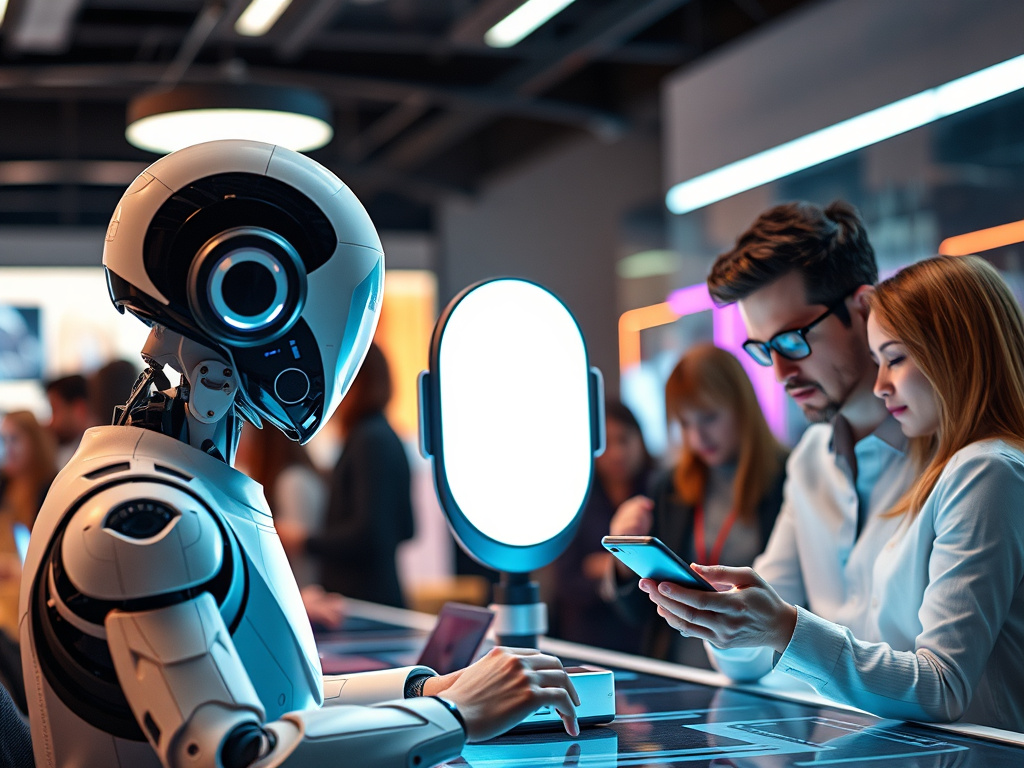
In recent years, artificial intelligence (AI) has rapidly evolved, reshaping various facets of technology and our daily lives. One of the most profound changes has been the rise of AI-powered assistants. These digital companions have transitioned from being mere novelties to essential tools, influencing how we communicate, work, and manage our time. This article explores the transformative effects of AI-powered assistants, shedding light on their origins, functionalities, and implications for the future.
The Evolution of AI Assistants
Early Beginnings
The concept of virtual assistants dates back to the early days of computing. The development of natural language processing (NLP) laid the groundwork for machines to understand and respond to human language. As technology progressed, early examples like Apple’s Clippy or Microsoft’s Office Assistant provided rudimentary support with basic tasks.
Breakthrough in Machine Learning
The real revolution began with advancements in machine learning and deep learning algorithms. These breakthroughs allowed AI systems to learn from large datasets and improve their performance over time. The introduction of virtual assistants like Apple’s Siri in 2011 marked a significant milestone. Siri’s ability to recognize voice commands and perform tasks made it a pioneering product in the consumer market.
The Rise of Major Players
Following Apple’s lead, tech giants such as Google, Amazon, and Microsoft launched their own AI assistants. Google Assistant, Amazon Alexa, and Microsoft Cortana expanded the capabilities of AI assistants, integrating them with various services and devices. These platforms utilized vast amounts of data, enabling them to understand context, provide relevant information, and adapt to user preferences.
How AI-Powered Assistants Work
Natural Language Processing (NLP)
At the core of AI-powered assistants is natural language processing. This technology enables machines to comprehend, interpret, and generate human language. NLP consists of several components, including speech recognition, language understanding, and text-to-speech capabilities. Through these processes, assistants can convert spoken commands into actions, making interactions seamless.
Machine Learning and Personalization
AI assistants rely heavily on machine learning to enhance user experience. By analyzing user behavior, preferences, and past interactions, they can offer personalized recommendations and responses. For example, if a user frequently requests weather updates, the assistant can prioritize this information, tailoring the experience to individual needs.
Ecosystem Integration
One of the defining features of modern AI assistants is their ability to integrate with various devices and applications. From smartphones and smart speakers to home automation systems, AI assistants serve as central hubs, allowing users to control multiple aspects of their lives with voice commands. This interconnectedness is a significant factor in the adoption of AI-powered assistants in households around the world.
Impact on Daily Life
Enhancing Productivity
AI assistants significantly enhance productivity by automating mundane tasks. Whether it’s scheduling meetings, setting reminders, or drafting emails, these assistants streamline workflows, allowing individuals to focus on more complex tasks. For busy professionals, the ability to ask an assistant to manage their calendar can save hours each week.
Improving Communication
AI-powered assistants also transform how we communicate. With voice recognition and natural language capabilities, users can send messages, make calls, or even dictate notes hands-free. This convenience is particularly beneficial during commutes or multitasking scenarios, fostering a more connected and efficient lifestyle.
Supporting Everyday Tasks
From managing grocery lists to controlling smart home devices, AI assistants simplify everyday tasks. Users can easily add items to a shopping list by simply speaking. The integration with smart devices allows individuals to control lighting, temperature, and security systems, enhancing convenience and safety in the home.
Learning and Adaptability
The learning capabilities of AI assistants ensure they become more efficient over time. As they gather data about user preferences and habits, they adapt to individual needs, offering suggestions that align with specific lifestyles. For instance, an assistant might recommend new recipes based on a user’s dietary preferences or suggest activities based on past behavior.
The Broader Implications
Transforming Work Environments
In professional settings, AI assistants catalyze a shift in how teams collaborate and communicate. Virtual assistants can schedule meetings, manage to-do lists, and even participate in calls to ensure that all team members are updated. This leads to a more organized and efficient work environment, where administrative tasks are minimized.
Accessibility Benefits
AI-powered assistants also play a crucial role in enhancing accessibility. For individuals with disabilities, voice-activated assistants provide greater autonomy. They enable users to control devices, access information, and perform tasks without relying solely on physical interaction, breaking down barriers and empowering users.
Ethical Considerations
While the benefits of AI assistants are evident, ethical considerations cannot be overlooked. Issues related to privacy, data security, and bias pose challenges for developers and users alike. As AI systems gather vast amounts of personal information, ensuring that this data is handled responsibly is paramount.
The Future of AI Assistants
Looking ahead, the future of AI-powered assistants appears promising. As technology advances, AI assistants will likely become more intuitive, capable of understanding complex directives and emotions. Continuous improvements in machine learning algorithms will enable them to provide more accurate responses and anticipate user needs.
Conclusion
The rise of AI-powered assistants has profoundly impacted our daily lives, enhancing productivity, simplifying tasks, and transforming how we communicate. Their integration into our homes and workplaces signifies a shift toward a more efficient, connected world. As we navigate this technological landscape, embracing the advantages while being mindful of the ethical implications will be essential. The journey of AI assistants is just beginning, and their evolution promises to shape the future in ways we are only beginning to understand.
#AI #ArtificialIntelligence #AIAssistants #MachineLearning #NLP #Productivity #SmartHome #TechTrends #FutureOfWork #Innovation #VoiceRecognition #DigitalTransformation #Automation #EthicsInAI #Accessibility #LifeWithAI










 BoldVoices.in
Leave a comment