
The Russia-Ukraine Conflict: A Comprehensive Overview
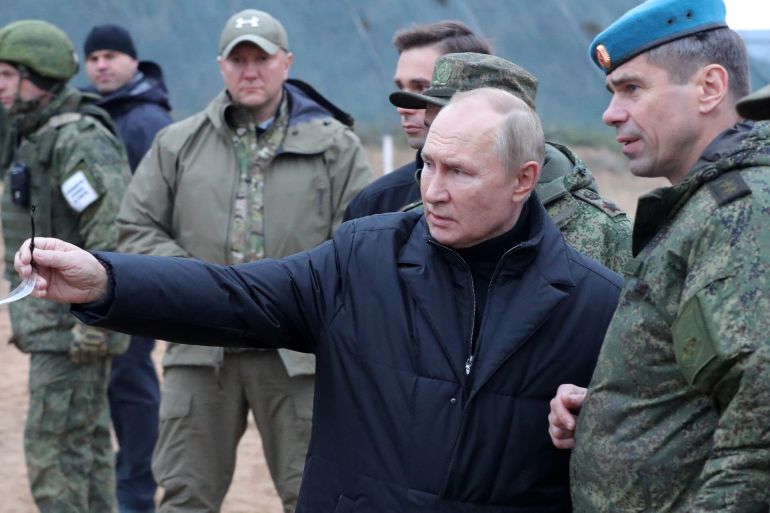
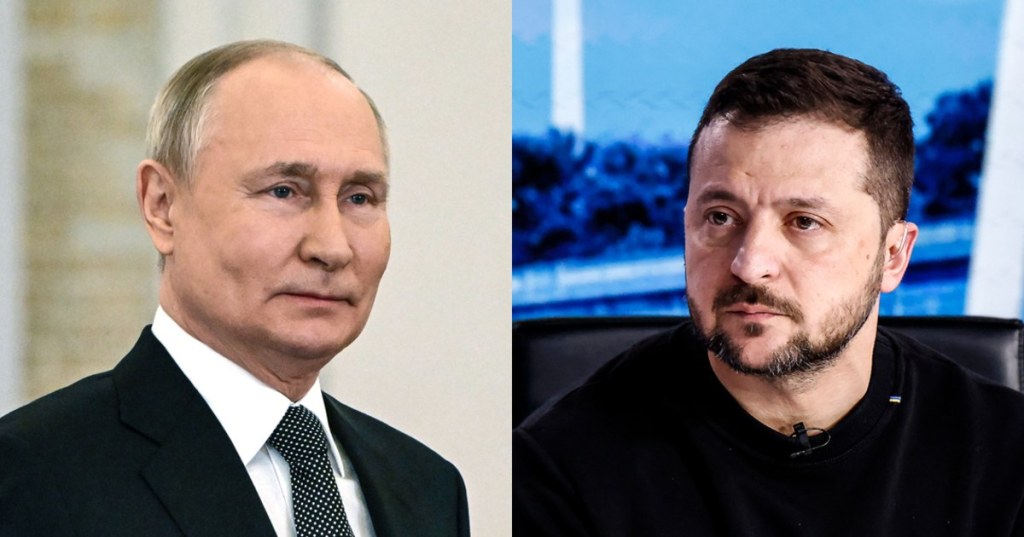
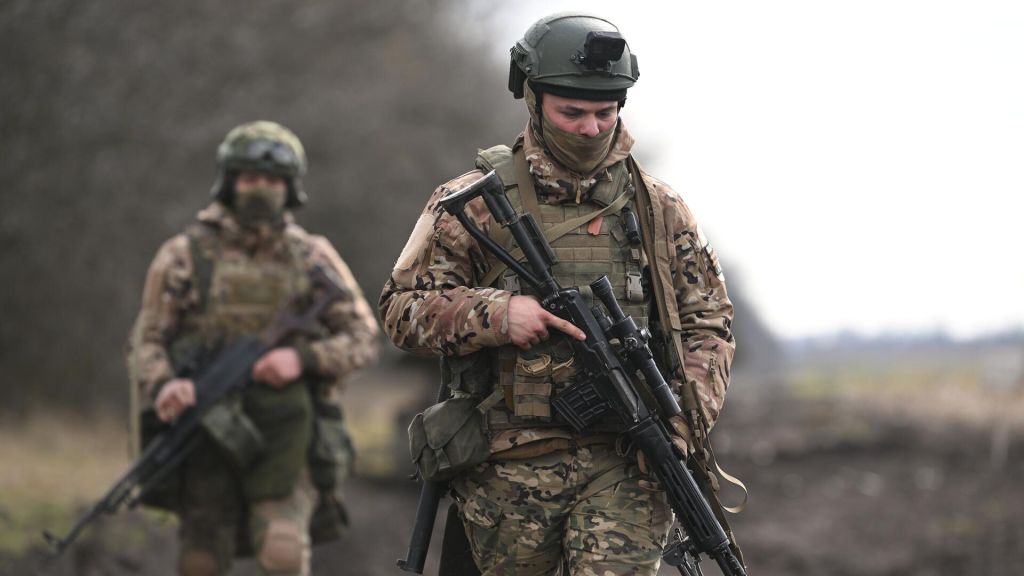
The conflict between Russia and Ukraine has roots that go deep into history, marked by political, cultural, and social complexities. In recent years, this issue has taken on a global significance, impacting geopolitical relationships and inciting widespread humanitarian concerns. This article seeks to provide a thorough overview of the ongoing conflict, its historical context, key events, international responses, and the repercussions for the involved nations and the broader world.
Historical Background
The relationship between Russia and Ukraine has been fraught with tension for centuries. Ukraine, with its rich cultural heritage and history, was once part of the Soviet Union until its dissolution in 1991. Following independence, Ukraine sought to forge its own identity, balancing ties with both Western nations and Russia. However, the presence of a significant Russian-speaking population in Ukraine, particularly in the eastern regions, has complicated this relationship.
Key Historical Events:
- Soviet Era: Ukraine experienced devastating famine in the 1930s (the Holodomor), which was reportedly enforced by the Soviet regime. This has left a lasting scar in Ukraine’s collective memory.
- Independence: After the collapse of the Soviet Union in 1991, Ukraine declared independence, leading to a power struggle between pro-Western and pro-Russian factions.
- Orange Revolution (2004): A response to corrupt elections, Ukraine’s Orange Revolution represented a strong demand for democratic reforms and alignment with European institutions.
- Annexation of Crimea (2014): Tensions escalated dramatically when Russia annexed Crimea in March 2014, a move that was widely condemned by the international community and led to sanctions against Russia.
- War in Donbas: Following the annexation, conflict erupted in the Donetsk and Luhansk regions of Ukraine, where pro-Russian separatists declared independence, resulting in a protracted and bloody conflict.
Key Developments in the Conflict
2021 Escalation
In late 2021, fears of a potential Russian invasion of Ukraine grew as Russian troops amassed near the Ukrainian border. Despite diplomatic efforts to defuse the situation, tensions remained high. In February 2022, Russia launched a full-scale invasion of Ukraine, which has led to widespread condemnation and geopolitical fallout.
Humanitarian Impact
The ongoing conflict has resulted in a devastating humanitarian crisis. Millions of Ukrainians have been displaced, leading to one of the largest refugee crises in Europe since World War II. Reports of human rights abuses, including attacks on civilian areas, have emerged, drawing international scrutiny and calls for accountability.
Geopolitical Ramifications
The Russian invasion has prompted a re-evaluation of security policies in Europe and beyond:
- NATO’s Response: NATO has enhanced its eastern flank presence in response to the invasion, providing support to member states bordering Russia and increasing military readiness.
- Economic Sanctions: Western nations have imposed comprehensive sanctions against Russia, targeting its economy and key individuals linked to the Kremlin.
- Global Energy Markets: The conflict has led to fluctuations in global energy prices, with Europe seeking alternatives to Russian gas.
International Responses
The international community has largely condemned Russia’s actions, with many countries providing military and humanitarian aid to Ukraine. Organizations such as the United Nations have called for peace negotiations, yet efforts have often been met with limited success.
Support for Ukraine
Various nations have stepped up to support Ukraine in its fight against aggression:
- Military Aid: Countries, primarily from NATO, have supplied Ukraine with defensive weapons, training, and intelligence support.
- Humanitarian Assistance: International organizations, as well as NGOs, have mobilized resources to help those affected by the conflict.
The Path Forward
The future of the Russia-Ukraine conflict remains uncertain. Sustained military engagements suggest that resolution will not come easily. Peace talks, often fraught with difficulties, are crucial for a sustainable solution. Diplomatic engagement must address not only immediate ceasefire concerns but also the underlying historical grievances that fuel the conflict.
Conclusion
The Russia-Ukraine conflict is a stark reminder of the fragility of peace and the complexities of national identity, sovereignty, and international relations. As the situation continues to evolve, the world watches closely, hopeful for a resolution that respects Ukraine’s sovereignty while ensuring regional stability. The implications of this conflict will likely shape international dynamics for years to come, making it a critical issue for global governance and diplomacy.
Source : Generated with the help of AI Assistant WordPress
#RussiaUkraineConflict #GeopoliticalIssues #HumanitarianCrisis #Ukraine #Russia #InternationalRelations #MilitaryAid #PeaceNegotiations #GlobalStability #EuropeanPolitics #Sovereignty #HistoricalContext #Donbas #CrimeaAnnexation #NATOSupport #RefugeeCrisis









 BoldVoices.in
Leave a comment