
Ethereum: The World Computer Powering the Decentralized Future
Detailed Paragraph
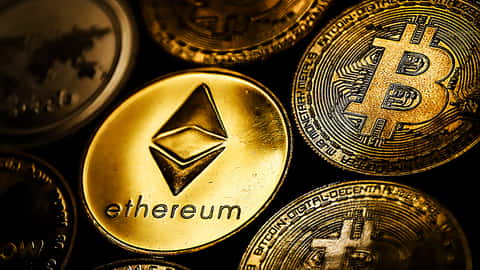
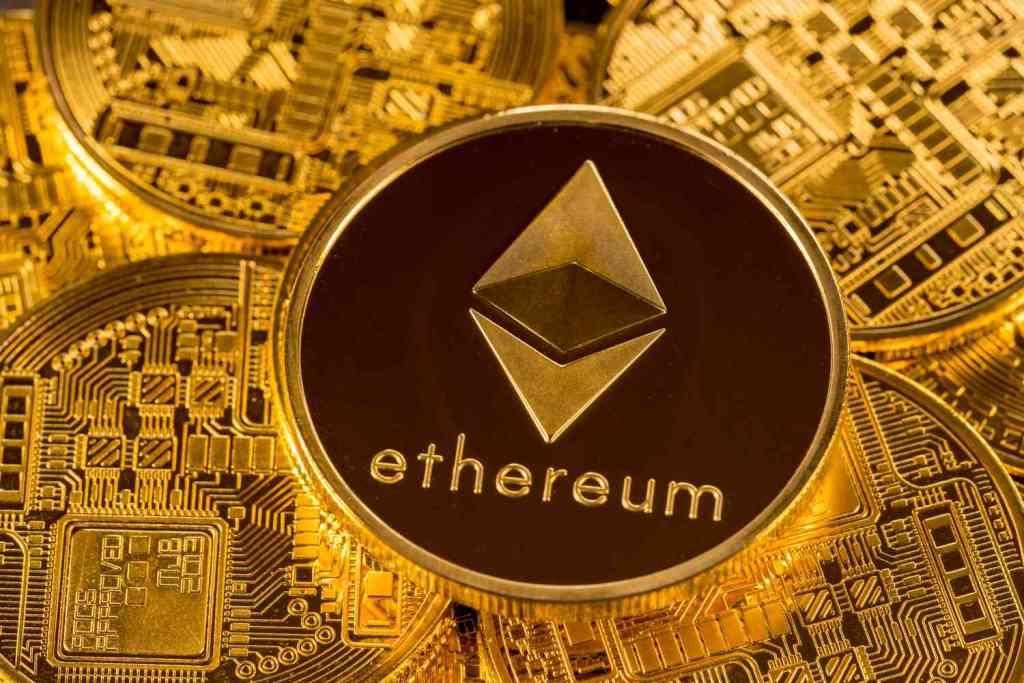
Ethereum, launched in 2015 by Vitalik Buterin and a team of developers, revolutionized blockchain technology by introducing smart contract functionality, enabling programmable, self-executing agreements without intermediaries. As the second-largest cryptocurrency by market capitalization, Ethereum’s native token, Ether (ETH), fuels a vast ecosystem of decentralized applications (dApps), decentralized finance (DeFi) protocols, non-fungible tokens (NFTs), and more. Unlike Bitcoin, which primarily serves as digital gold, Ethereum was designed as a decentralized global computer, allowing developers to build complex applications on its blockchain. The network initially relied on a proof-of-work (PoW) consensus mechanism but transitioned to proof-of-stake (PoS) in 2022 through “The Merge,” reducing energy consumption by 99.95%. Ethereum’s flexibility has made it the backbone of Web3, hosting over 4,000 dApps and facilitating innovations like stablecoins (USDT, DAI), decentralized exchanges (Uniswap), and lending platforms (Aave). However, challenges such as high gas fees, scalability limitations, and regulatory scrutiny persist. Upcoming upgrades like Ethereum 2.0 aim to address these issues through sharding and layer-2 solutions, further cementing Ethereum’s position as the leading platform for decentralized innovation.
Article: Ethereum – The Foundation of Web3
Introduction
Ethereum is more than just a cryptocurrency; it’s a decentralized platform reshaping industries through smart contracts and decentralized applications. Since its inception, Ethereum has become the backbone of DeFi, NFTs, and the broader Web3 movement. This article explores Ethereum’s technology, ecosystem, challenges, and future roadmap.
1. How Ethereum Works
- Smart Contracts: Self-executing code deployed on Ethereum’s blockchain, enabling trustless agreements.
- Ethereum Virtual Machine (EVM): The runtime environment for executing smart contracts.
- Consensus Shift: Transition from PoW to PoS (via The Merge) for energy efficiency and scalability.
2. Ethereum’s Ecosystem
- DeFi: Over $50B locked in protocols like Uniswap, Aave, and MakerDAO.
- NFTs: Ethereum hosts major collections like CryptoPunks and Bored Apes.
- Enterprise Adoption: Microsoft, JPMorgan, and others use Ethereum for blockchain solutions.
3. Challenges & Criticisms
- Scalability: Network congestion leads to high gas fees during peak usage.
- Regulation: SEC scrutiny over whether ETH is a security.
- Competition: Rivals like Solana and Cardano offer faster, cheaper alternatives.
4. Innovations & Upgrades
- Ethereum 2.0: Introduces sharding for scalability (expected 2024).
- Layer-2 Solutions: Rollups (Arbitrum, Optimism) reduce fees and speed up transactions.
- Account Abstraction (ERC-4337): Enhances user experience with smart contract wallets.
5. The Future of Ethereum
- Mass Adoption: Institutional interest in staking and DeFi.
- Interoperability: Bridges to other blockchains (Polygon, Polkadot).
- Decentralized Identity: Ethereum-based solutions for digital IDs and credentials.
Conclusion
Ethereum remains the most influential smart contract platform, driving innovation in finance, art, and governance. While scalability and regulation pose hurdles, its ongoing upgrades and vibrant developer community ensure its dominance in the Web3 era.
Key Tags:
Ethereum #ETH #SmartContracts #DeFi #Web3 #NFTs #Ethereum2 #TheMerge #VitalikButerin #Layer2 #Blockchain
Sources: Deep Seek, Etherscan, DeFi Llama, Ethereum Foundation.










 BoldVoices.in
Leave a comment