
Donald Trump: The Controversial Figure
Early Political Activities
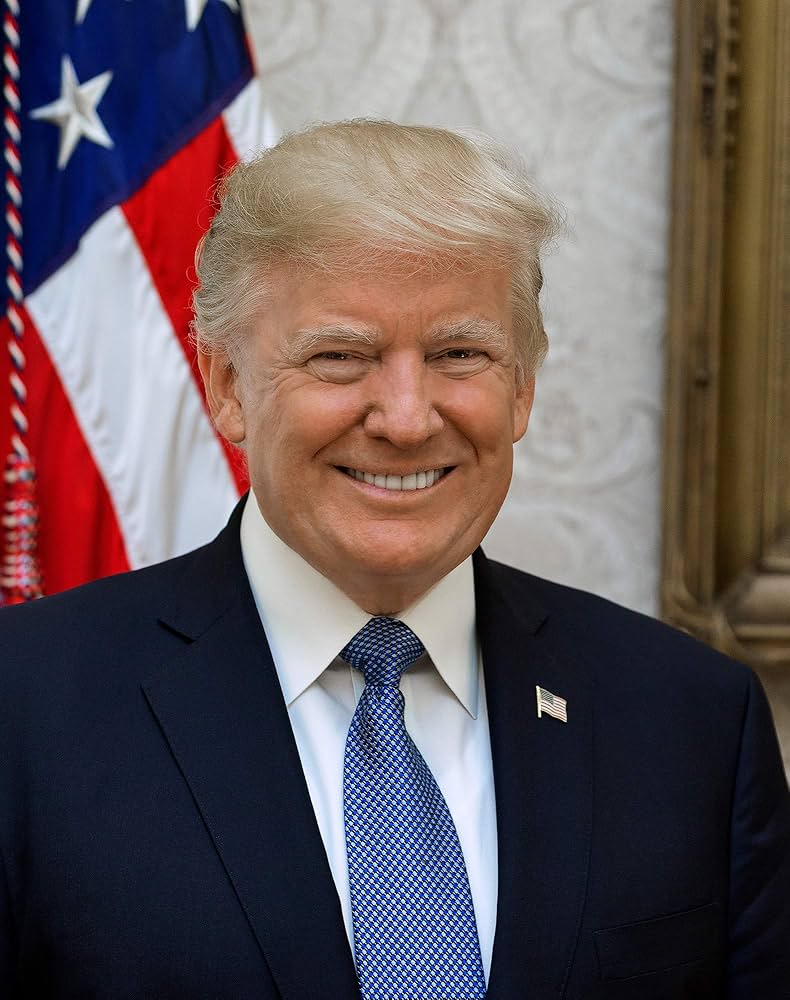
Before venturing into the presidential race, Trump had publicly flirted with politics for decades. He often expressed interest in running for office, making headlines with various statements on political issues, including his brief consideration for a presidential run in 2000 as part of the Reform Party. However, it was not until 2015 that he officially announced his candidacy as a Republican, tapping into the growing discontent among voters regarding traditional politicians.
2016 Election Campaign
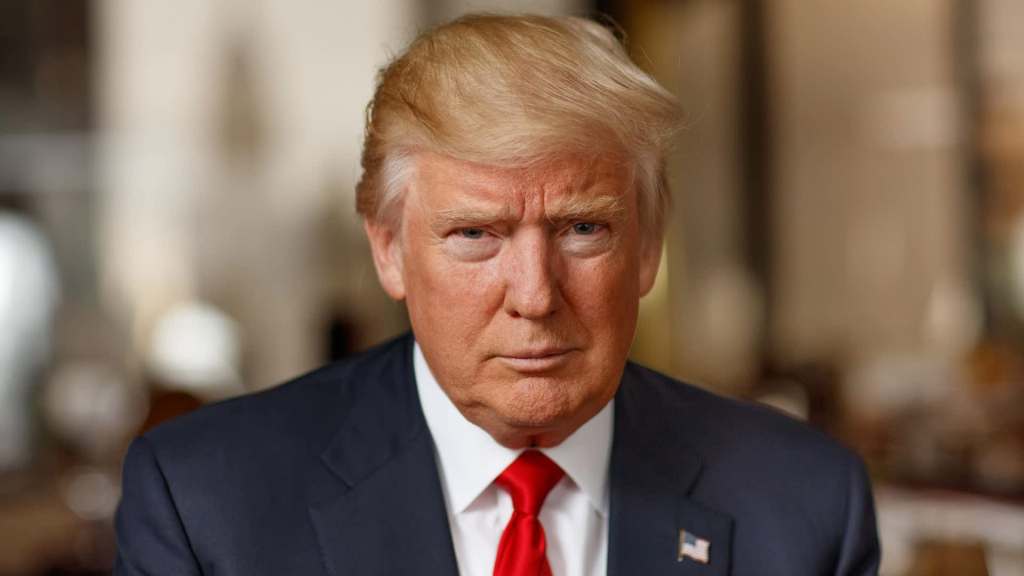
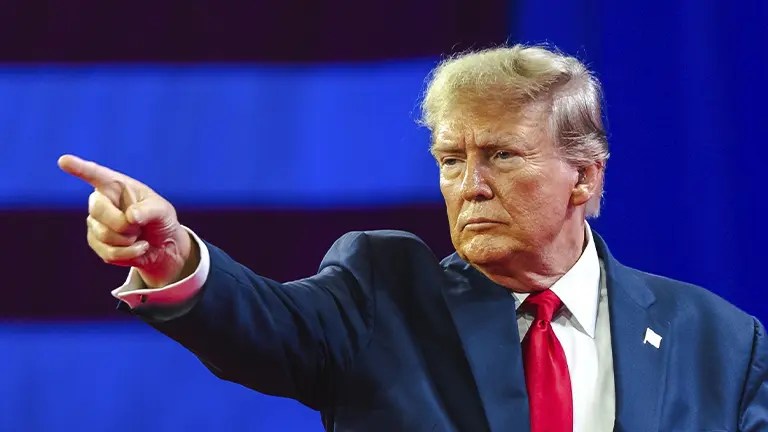
Trump’s campaign in 2016 broke the mold of traditional political campaigning. He relied heavily on social media, particularly Twitter, to communicate directly with his supporters and bypass traditional media channels. His rallies were characterized by a charged atmosphere, where he frequently addressed his supporters’ grievances concerning immigration, economic stagnation, and a perceived disregard for working-class Americans.
His controversial remarks often dominated headlines, leading to widespread discussion about race, gender, and class in America. Despite, or perhaps because of, the controversy surrounding him, he successfully galvanized a movement that fueled his election victory in November 2016.
Major Policies and Actions
During his presidency, Trump pursued a range of policies that defined his administration:
Economic Policies
Trump claimed to bolster the U.S. economy through deregulation and tax cuts. The Tax Cuts and Jobs Act of 2017 was a central piece of his economic agenda, aimed at reducing both corporate and individual tax rates. Supporters argue that these measures spurred significant economic growth and lowered unemployment rates before the COVID-19 pandemic struck.
Immigration
Trump’s immigration policies were among the most controversial of his administration. The implementation of a travel ban on several predominantly Muslim countries and the family separation policy at the U.S.-Mexico border drew significant backlash and ignited heated debates about human rights and American values.
Foreign Relations
Trump’s foreign policy decisions included a renegotiation of trade agreements, such as the United States-Mexico-Canada Agreement (USMCA), which replaced NAFTA. He also engaged in unprecedented diplomatic efforts with North Korea, meeting with its leader, Kim Jong-un, in a bid to address nuclear disarmament.
Impeachment Proceedings
Trump’s presidency witnessed two impeachment proceedings. The first, in late 2019, was largely focused on allegations of abuse of power concerning his dealings with Ukraine. The second impeachment occurred in January 2021, following the Capitol riot on January 6, where he was accused of inciting insurrection. Both impeachments concluded with acquittals by the Senate.
Post-Presidency
Since leaving office, Trump has remained an influential figure within the Republican Party. He has continued to endorse candidates aligned with his political vision and has maintained a presence in American political life through rallies and public appearances. His ongoing influence raises questions about the future direction of the GOP and American politics overall, as he continues to amplify his perspectives on voter fraud and the legitimacy of the 2020 election.
Cultural Impact and Legacy
Trump’s presidency has had a significant cultural impact, initiating discussions on nationalism, populism, and political identity. His effect on the media landscape, notably in the realm of “fake news,” has altered the relationship between politicians and journalists and reshaped public perceptions of truth and misinformation in politics.
As debates continue over Trump’s legacy, opinions remain divided. Supporters celebrate his efforts to challenge political norms and advocate for America’s interests abroad, while critics argue that his presidency undermined democratic values and increased polarization in American society.
Conclusion
Donald Trump’s journey through politics — from a businessman to an unconventional president — captures a unique chapter in American history. His influence persists, raising important questions about the trajectory of the Republican Party, governance, and the fabric of American democracy. As he continues to play a pivotal role, the legacy of his presidency will likely be analyzed, debated, and discussed for generations to come.
Source : AI Assistant WordPress
#DonaldTrump #Politics #Election2016 #Presidency #Impeachment #EconomicPolicies #Immigration #ForeignRelations #CulturalImpact #RepublicanParty #PoliticalLegacy #Populism #Nationalism #AmericanDemocracy #PoliticalIdentity #VoterFraud #Media #FakeNews #TrumpLegacy #PoliticalHistory









 BoldVoices.in
Leave a comment