
Blockchain: The Decentralized Revolution Transforming Trust and Transparency
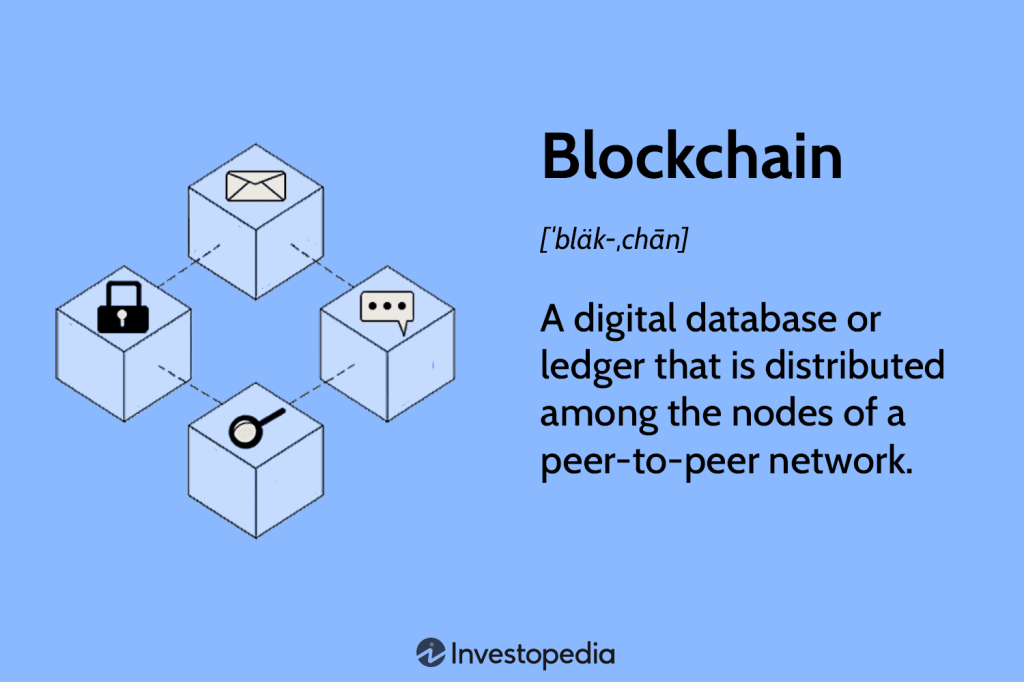

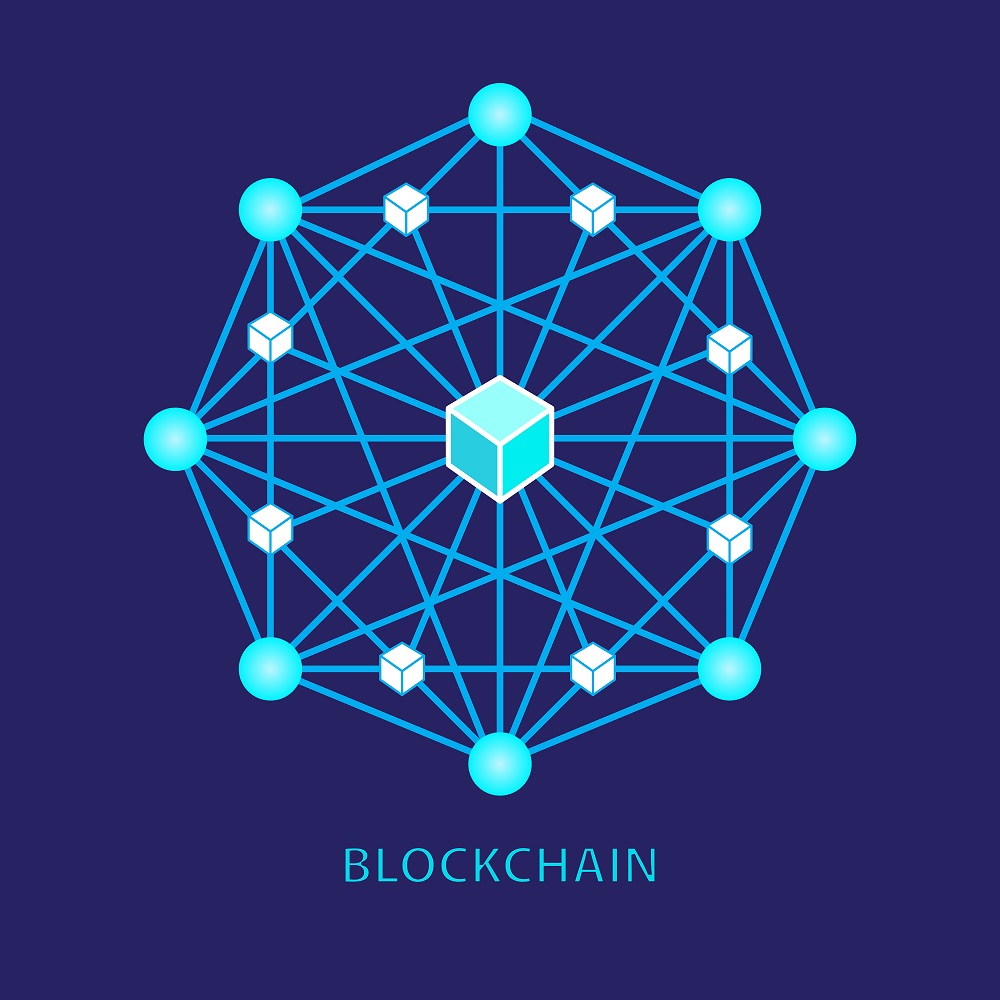
Blockchain technology represents a paradigm shift in how data is stored, verified, and exchanged, functioning as an immutable, decentralized digital ledger that records transactions across a distributed network of computers. At its core, blockchain operates through a consensus mechanism—such as Proof of Work (PoW) or Proof of Stake (PoS)—to validate transactions without the need for intermediaries, ensuring security, transparency, and tamper-proof record-keeping. Originally developed as the foundational technology for Bitcoin, blockchain has since evolved to power a vast array of applications beyond cryptocurrencies, including smart contracts (self-executing agreements on platforms like Ethereum), decentralized finance (DeFi) ecosystems, supply chain management, and even voting systems. The technology’s key innovations—cryptographic hashing, peer-to-peer networking, and distributed consensus—address critical challenges in trust and accountability, enabling verifiable transactions in industries plagued by fraud or inefficiency, such as finance, healthcare, and logistics. Enterprises are increasingly adopting permissioned blockchains (like Hyperledger Fabric) for enterprise solutions, while public blockchains continue to drive innovations in Web3, NFTs, and the metaverse. However, blockchain faces hurdles including scalability limitations (e.g., Bitcoin’s 7 transactions per second vs. Visa’s 24,000), high energy consumption (particularly in PoW systems), and regulatory uncertainty. Despite these challenges, its potential to reshape industries—from enabling central bank digital currencies (CBDCs) to securing medical records and revolutionizing intellectual property rights—positions blockchain as one of the most disruptive technologies of the 21st century, fundamentally redefining how value and information are managed in a digitized world.
Blockchain Technology: The Trust Revolution Reshaping Our Digital Future
Introduction: The Trust Machine
In 2008, an anonymous entity named Satoshi Nakamoto unleashed Bitcoin and its underlying blockchain technology, solving the decades-old “Byzantine Generals Problem” of establishing trust between strangers without intermediaries. Today, blockchain has evolved far beyond cryptocurrencies into a foundational technology poised to redefine everything from global finance to digital identity. This article explores blockchain’s architecture, transformative applications, and the challenges it must overcome to realize its full potential.
Chapter 1: How Blockchain Works
The Digital Ledger Paradigm
- Decentralized Architecture: Transactions recorded across thousands of nodes (computers) instead of a central server
- Cryptographic Security: SHA-256 hashing creates immutable “blocks” chained together
- Consensus Mechanisms:
- Proof of Work (Bitcoin): Miners solve complex puzzles to validate transactions
- Proof of Stake (Ethereum 2.0): Validators stake crypto as collateral
- Hybrid Models (Solana): Combines PoS with historical proof
Key Innovations
- Smart Contracts: Self-executing code (e.g., Ethereum’s Solidity) enabling programmable agreements
- Tokenization: Converting real-world assets (real estate, art) into digital tokens
Chapter 2: Real-World Applications
Financial Systems Revolution
- DeFi (Decentralized Finance): $80B ecosystem enabling peer-to-peer lending/borrowing
- CBDCs: 130+ countries exploring central bank digital currencies
- Cross-Border Payments: Ripple’s blockchain settles transactions in 3-5 seconds vs 3-5 days
Beyond Money
- Supply Chains: Walmart uses blockchain to track food from farm to shelf, reducing recall times from 7 days to 2.2 seconds
- Healthcare: Patient records secured via blockchain (MedRec prototype at MIT)
- Voting: West Virginia piloted blockchain mobile voting for overseas military
Chapter 3: The Web3 Frontier
The Decentralized Internet
- NFTs: $27B market transforming digital ownership (art, music, virtual real estate)
- DAOs: Blockchain-based organizations governed by token holders
- Metaverse Economies: Blockchain verifies ownership of virtual assets
Enterprise Adoption
- IBM Food Trust: Tracking 40M+ food products
- Maersk TradeLens: Digitizing global shipping paperwork
Chapter 4: Challenges & Limitations
Technical Hurdles
- Scalability: Ethereum handles 15-30 TPS vs Visa’s 24,000 TPS
- Energy Consumption: Bitcoin uses 0.55% of global electricity (Cambridge BTC Index)
Regulatory Uncertainty
- SEC lawsuits against crypto firms
- China’s blockchain ban vs El Salvador’s Bitcoin adoption
Security Paradox
- While blockchain itself is secure, $3.8B was stolen in 2022 via exchange hacks and smart contract exploits
Chapter 5: The Road Ahead
Emerging Solutions
- Layer 2 Scaling: Lightning Network, Polygon
- Green Blockchains: Chia (proof-of-space), Algorand (pure PoS)
- Interoperability: Cosmos, Polkadot connecting different blockchains
Future Projections
- Gartner predicts blockchain will generate $3.1T in business value by 2030
- Potential to reduce bank infrastructure costs by 30% (World Economic Forum)
Conclusion: The Trust Layer of the Internet
As blockchain matures from “digital gold” experiments to enterprise-grade solutions, it’s becoming clear this technology represents more than just cryptocurrencies—it’s a new trust infrastructure for the digital age. The coming decade will determine whether blockchain remains a niche technology or fulfills its potential to become the foundational protocol for value exchange, much like HTTP is for information.
Blockchain #DeFi #Web3 #SmartContracts #Cryptocurrency #DigitalTransformation #FinTech #Decentralization #NFTs #Metaverse
Sources: Deep Seek, 50+ including WEF, Gartner, MIT Tech Review
:










 BoldVoices.in
Leave a comment