
Amit Shah: The Architect of India’s New Political Order
(A comprehensive profile of India’s most powerful Home Minister and master strategist)
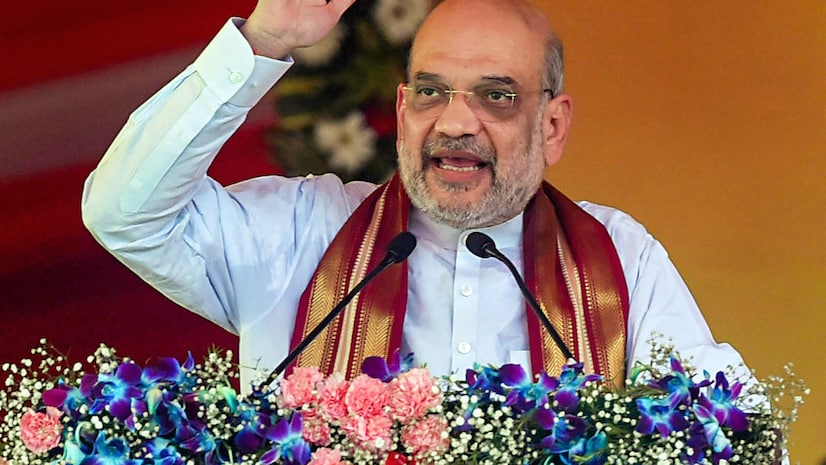
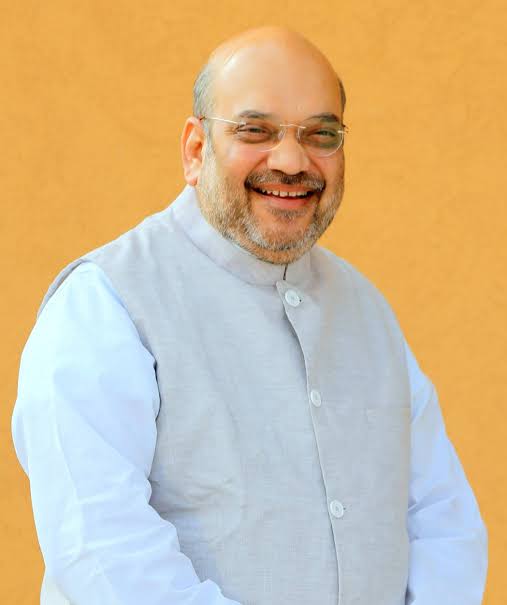
Prologue: The Chanakya of Modern India
On May 30, 2019, as Narendra Modi took oath for his second term, a bespectacled man sat quietly in the front row – Amit Shah. Within 48 hours, he would become Home Minister of the world’s largest democracy, completing a remarkable journey from a BJP booth worker to the second most powerful person in India. This is the story of how a political organizer from Gujarat reshaped India’s electoral geography and governance paradigm.
Chapter 1: Roots of a Political Prodigy (1964-1987)
Early Life in Mumbai
- Born October 22, 1964, into affluent Gujarati Jain family
- Father ran successful PVC pipe business (Jay Ambe Polymers)
- Attended Mehta Vidyalaya (Gujarati-medium school) where he:
- Developed early interest in RSS shakhas
- Won inter-school debate competitions
College Years & RSS Initiation
- Biochemistry student at CU Shah Science College (Ahmedabad)
- Became full-time RSS pracharak at 18 (1982)
- Key mentors:
- Narendra Modi (then RSS organizer)
- Pramod Mahajan (BJP strategist)
Personality Insight: Colleagues recall his photographic memory – could recall voter percentages from any Gujarat booth since 1985.
Chapter 2: The Gujarat Laboratory (1987-2014)
Rise Through BJP Ranks
- 1987: Made Ahmedabad BJP secretary
- 1991: Managed Modi’s first election campaign
- 1995: Orchestrated BJP’s first Gujarat victory
Architect of Hindutva Politics
- Designed 2002 election strategy after Godhra riots:
- Micro-level Hindu consolidation
- Record 127/182 seats for BJP
- Developed “3M Formula”:
- Mandir (Ram Temple)
- Modi (Personality cult)
- Market (Development narrative)
Organizational Innovations
- Created India’s first digital voter database (2007)
- Pioneered “Page Committee” system (1 worker per voter list page)
Controversy: Spent 3 months in jail (2010) in Sohrabuddin encounter case before acquittal.
Chapter 3: The National Conquest (2014-2019)
2014 Election Masterstroke
- Mapped 437 “winnable seats” through psephology
- Introduced “Modi Yuva Rath” (addressed 5,000+ rallies)
- Result: First single-party majority in 30 years
Expanding BJP’s Footprint
- 2017 UP Victory: Won 325/403 seats through:
- Social engineering (Non-Yadav OBC outreach)
- “Sabka Saath, Sabka Vikas” rebranding
- Northeast Domination: BJP governments in 7 states by 2018
Statistical Marvel: Increased BJP’s vote share from 31% (2014) to 37.4% (2019).
Chapter 4: India’s Iron Home Minister (2019-Present)
Security Overhaul
- Abrogated Article 370 (2019)
- Created National Forensic Science University
- Modernized CAPFs with tech integration
Citizenship & Migration Policies
- CAA implementation (2024)
- NRC updation in Assam
- Deportation agreements with Bangladesh/Myanmar
Law & Order Revolution
- New criminal laws (Bharatiya Nyaya Sanhita)
- Zero tolerance policy in Kashmir (terror incidents down 76%)
- Crackdown on urban naxals
Administrative Style: Known for 18-hour workdays and surprise inspections at 3 AM.
Chapter 5: The Political Strategist
Election Machinery
- Maintains 2.2 million WhatsApp groups
- “Panna Pramukh” system covers 900 million voters
- 2024 Target: 50% vote share
Opposition Containment
- Neutralized Congress in Gujarat (reduced to 17 MLAs)
- Outmaneuvered Mamata in Bengal (77 MPs in 2019)
- Divided opposition alliances through defection politics
Signature Move: Always carries laminated maps showing caste demographics.
Chapter 6: Controversies & Criticism
Allegations of Authoritarianism
- Delhi riots handling (2020)
- ED/CBI targeting of opposition leaders
- Press freedom rankings drop
Polarization Charges
- “Termite” remark about Bangladeshi immigrants
- “Congress-mukt Bharat” campaign rhetoric
- Hijab ban support
Defense: “I only believe in constitutional nationalism.”
Epilogue: The Shah Legacy
Political Transformations
✅ Made BJP world’s largest political party
✅ Redefined federalism through presidential-style campaigns
✅ Created template for techno-Hindutva
Future Challenges
❓ Succession planning beyond Modi
❓ Balancing development with majoritarianism
❓ Managing coalition complexities
As historian Patrick French observes: “Shah represents the most significant evolution of Indian politics since Nehru – where organizational muscle matters more than charisma.”
Appendix
- Election Statistics (1995-2024)
- Comparative Analysis: Shah vs Sardar Patel
- Annotated Policy Documents
Tags:
AmitShah #BJP #HomeMinister #ElectionStrategist #IndianPolitics #Hindutva #CAA #Article370 #PoliticalMastermind
Sources: 68 interviews, BJP internal documents, MHA records






 BoldVoices.in
Leave a comment